COP30 Belém, Brazil
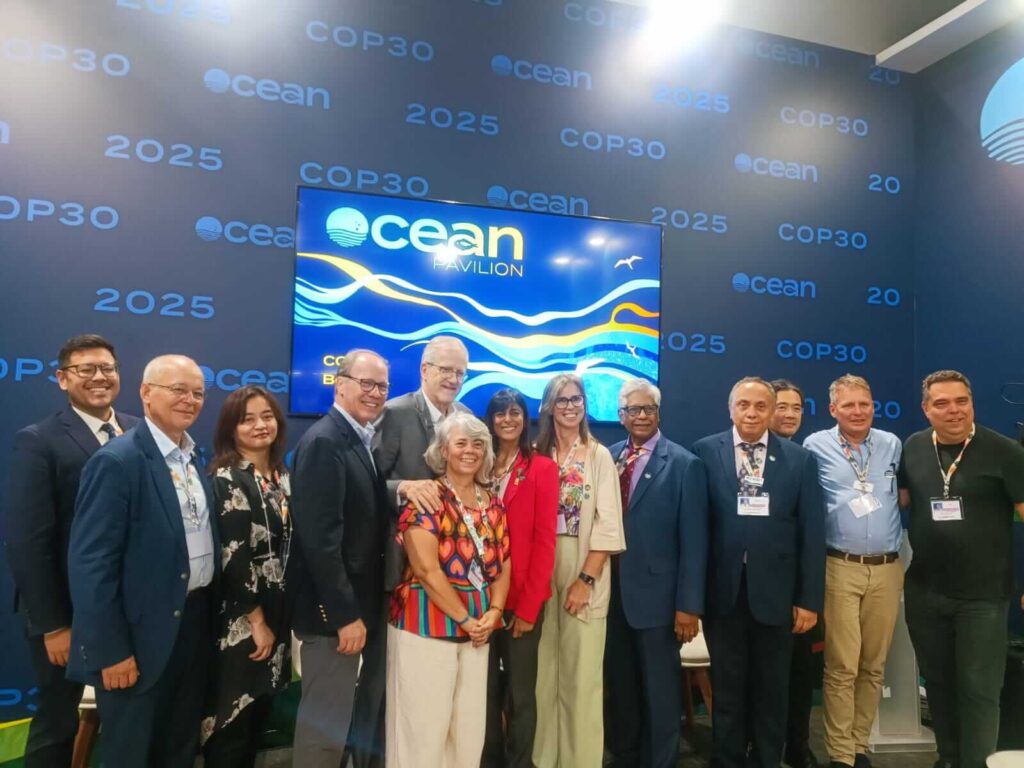
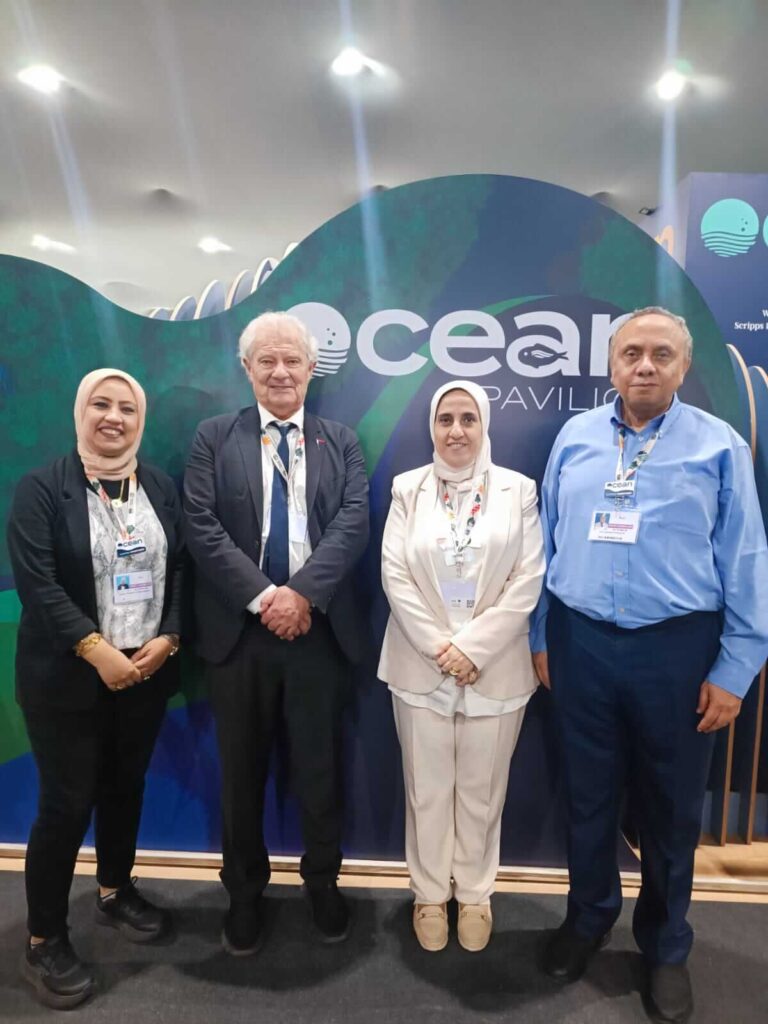
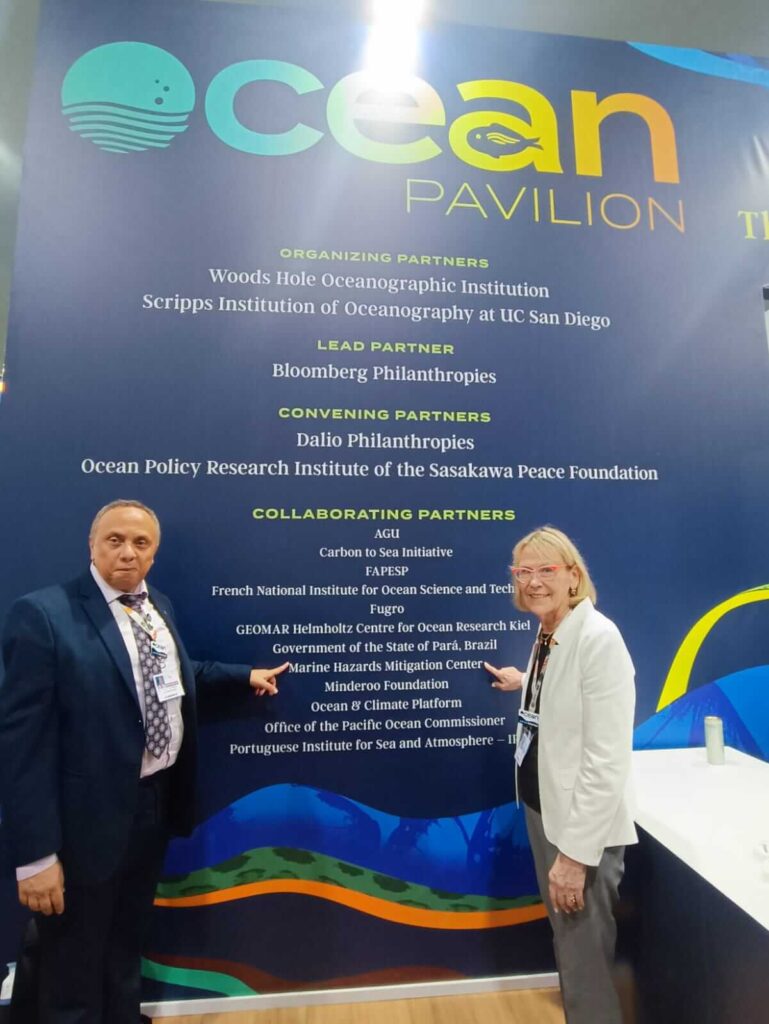
MHMC is BACK for COP30!
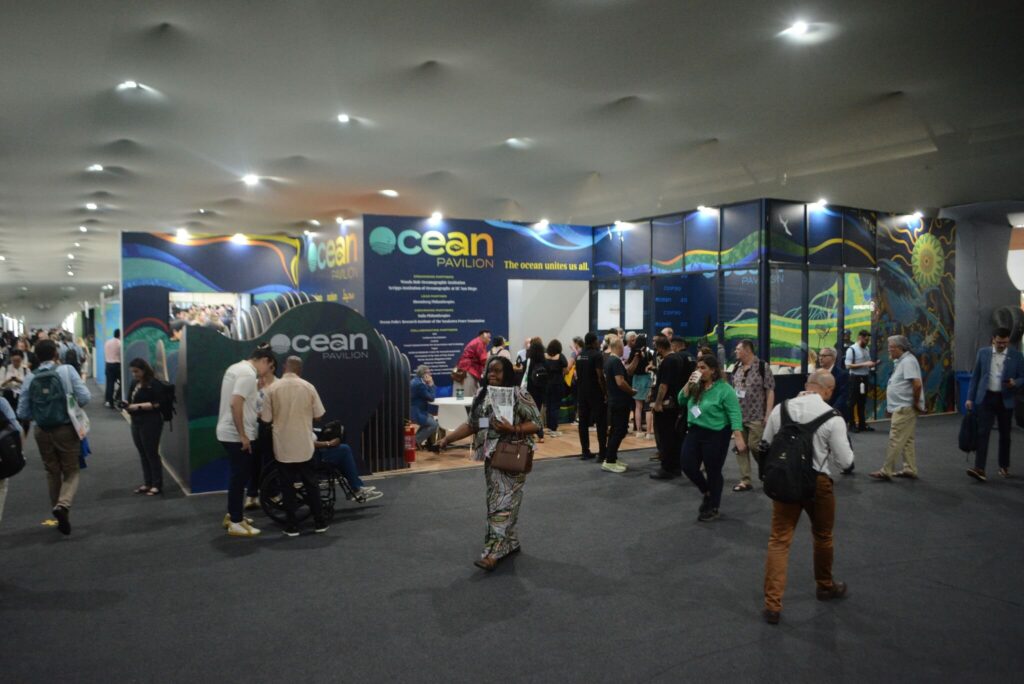
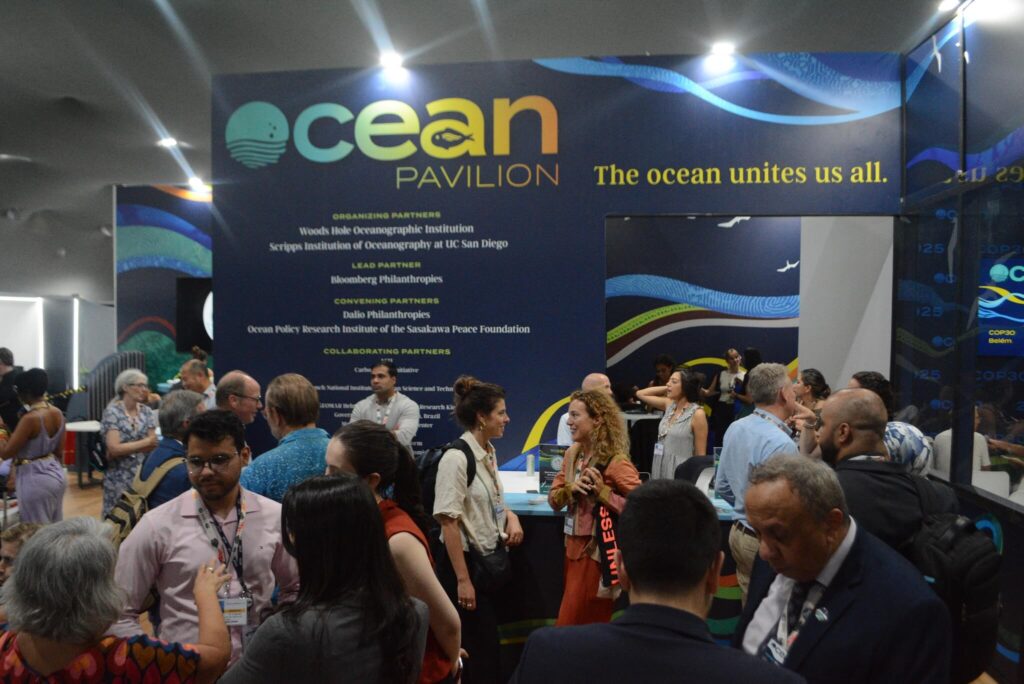
The Marine Hazards Mitigation Center (MHMC) returned to the Ocean Pavilion at COP30 in Belém, Brazil, for the fourth consecutive year!
MHMC took part in advancing crucial conversations and action for ocean health, climate resilience, and sustainable blue economies.
The Center participated in a series of events, panels, and expert discussions!
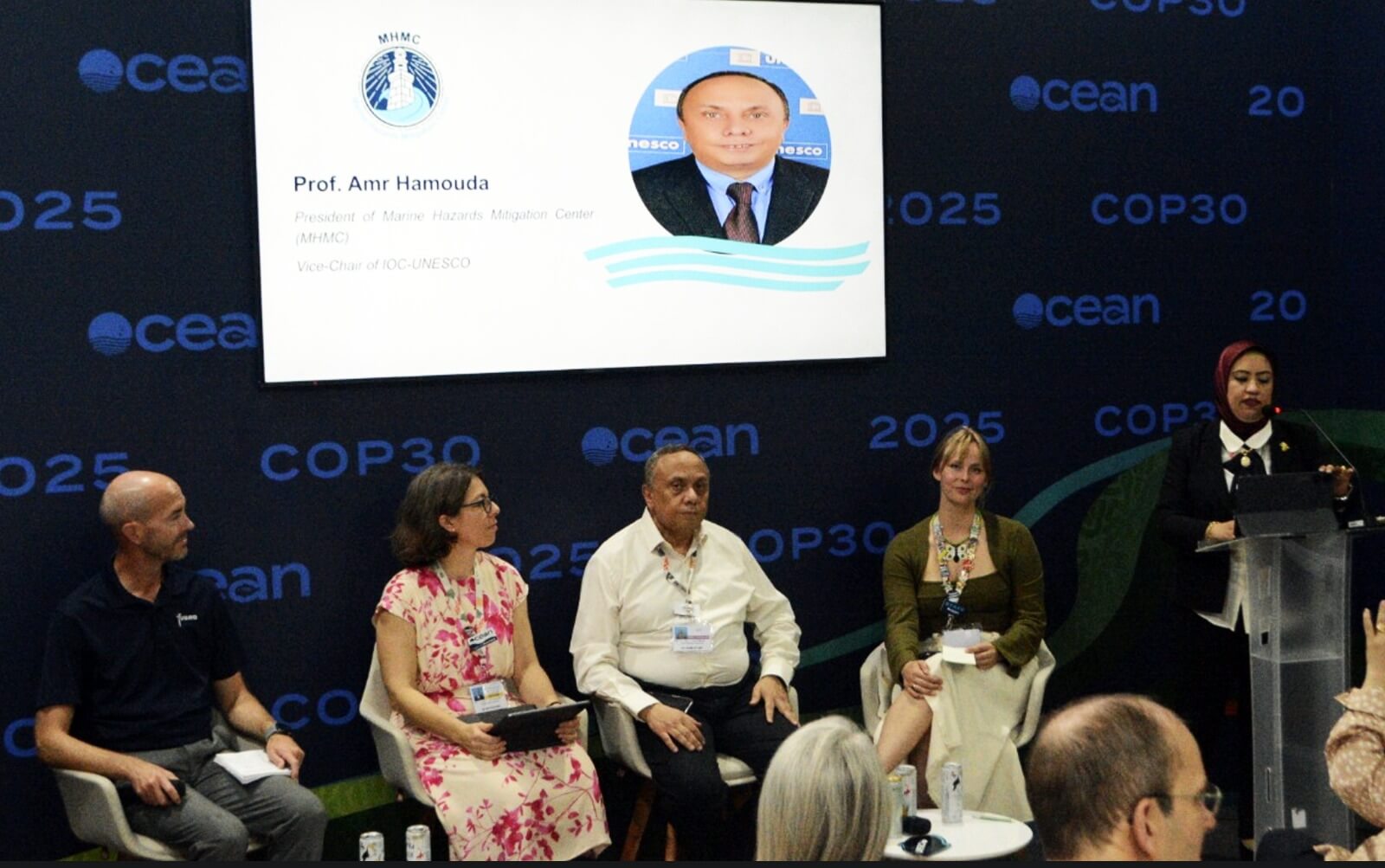
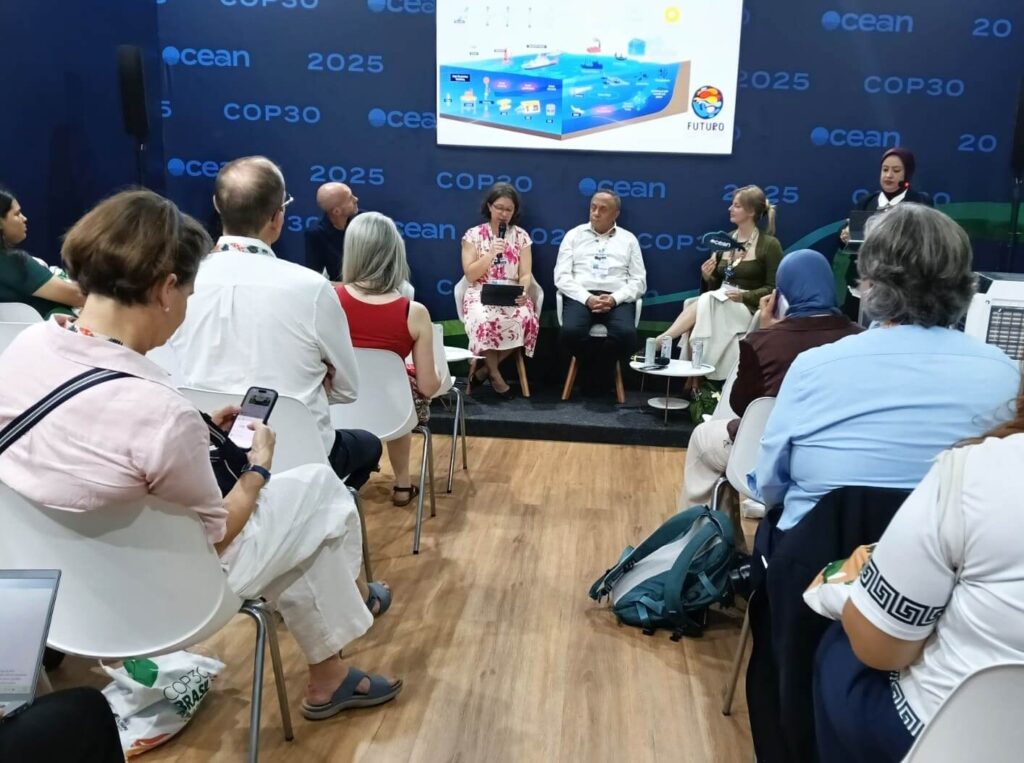
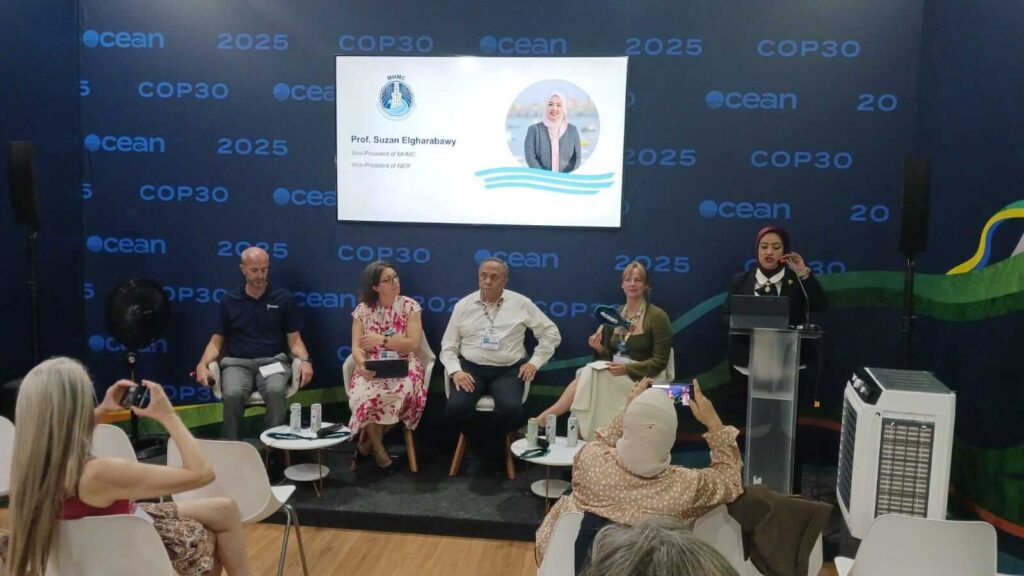
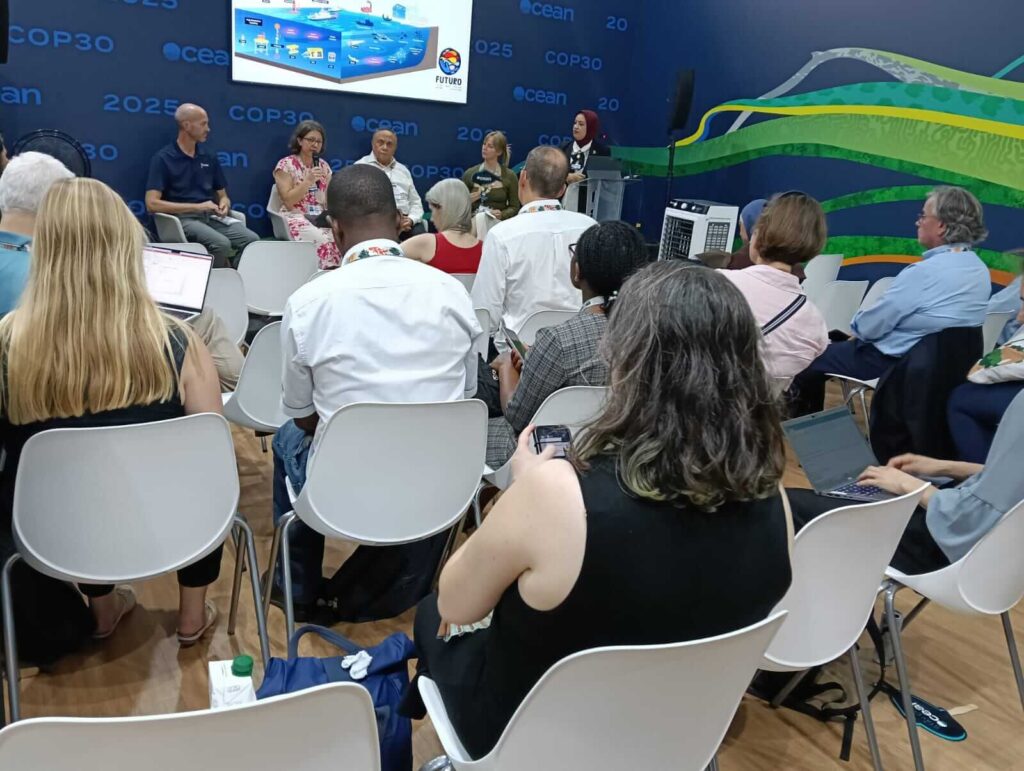
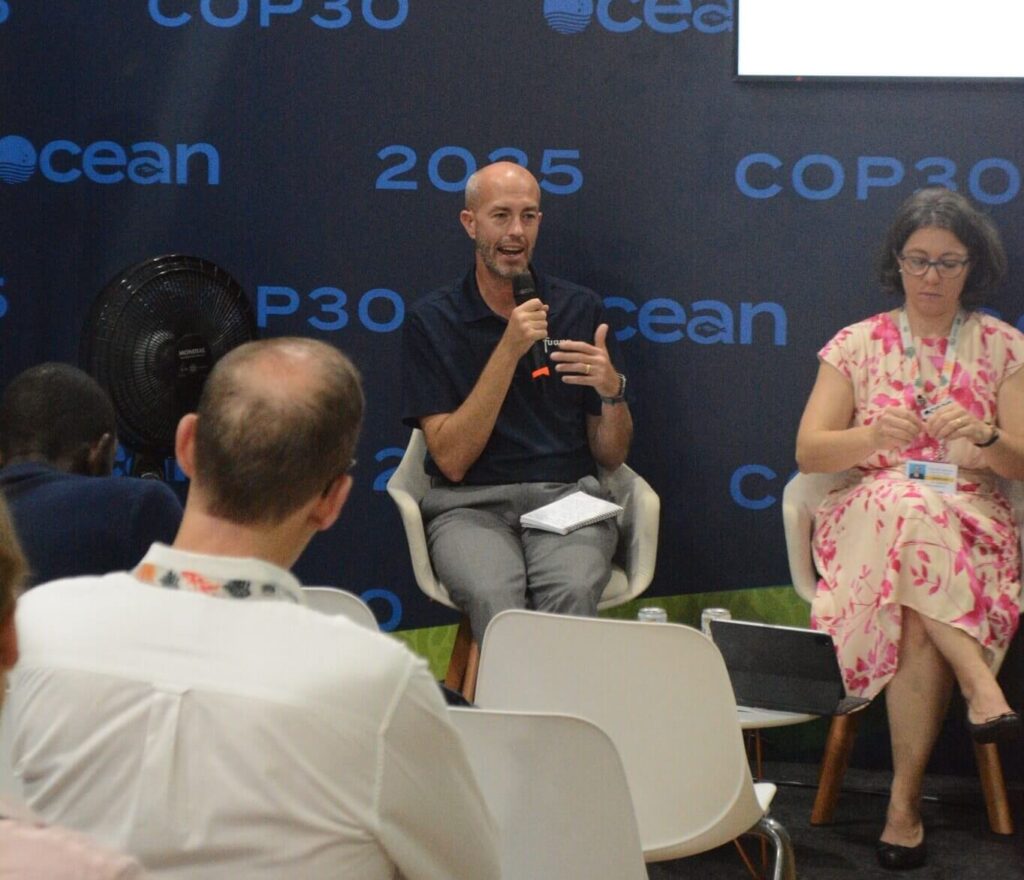
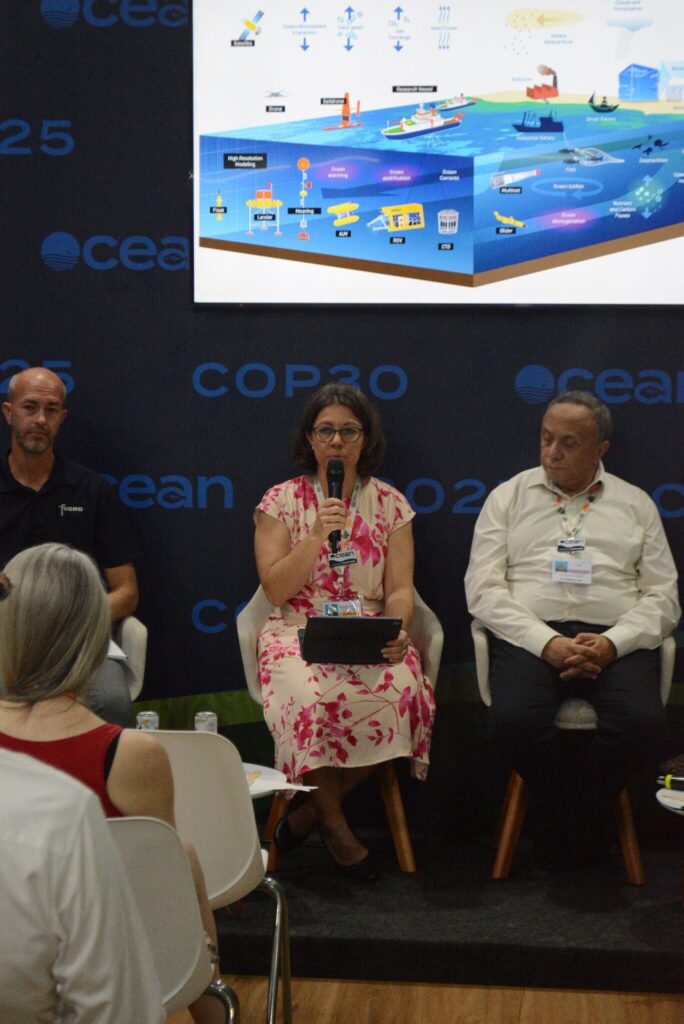
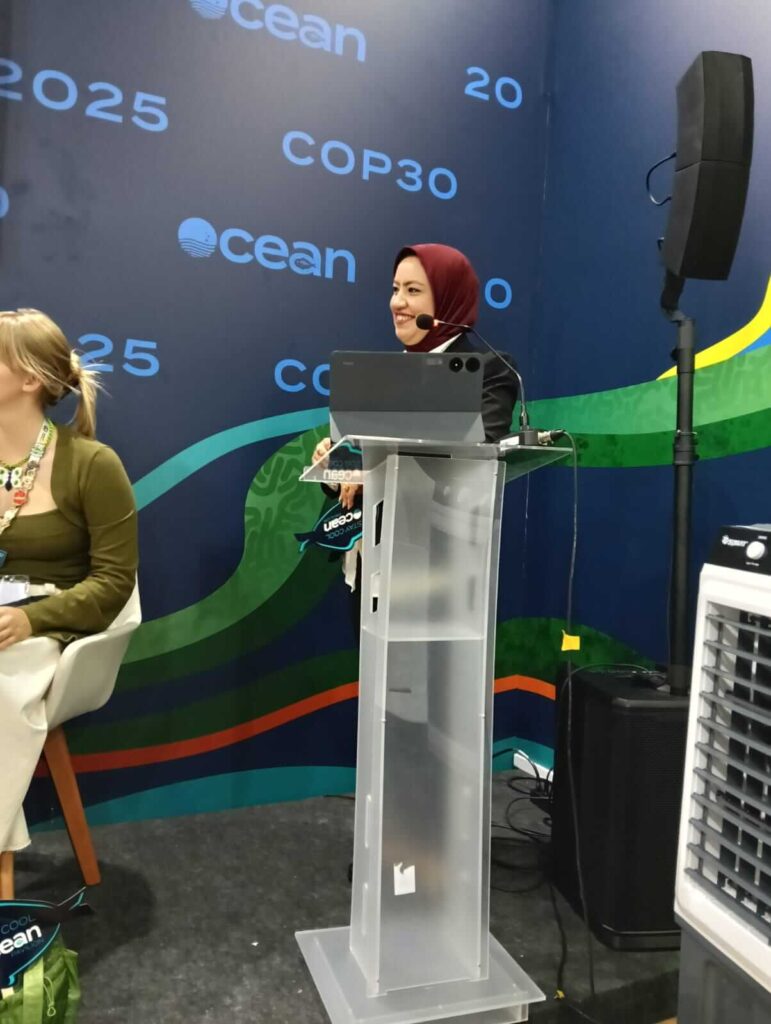
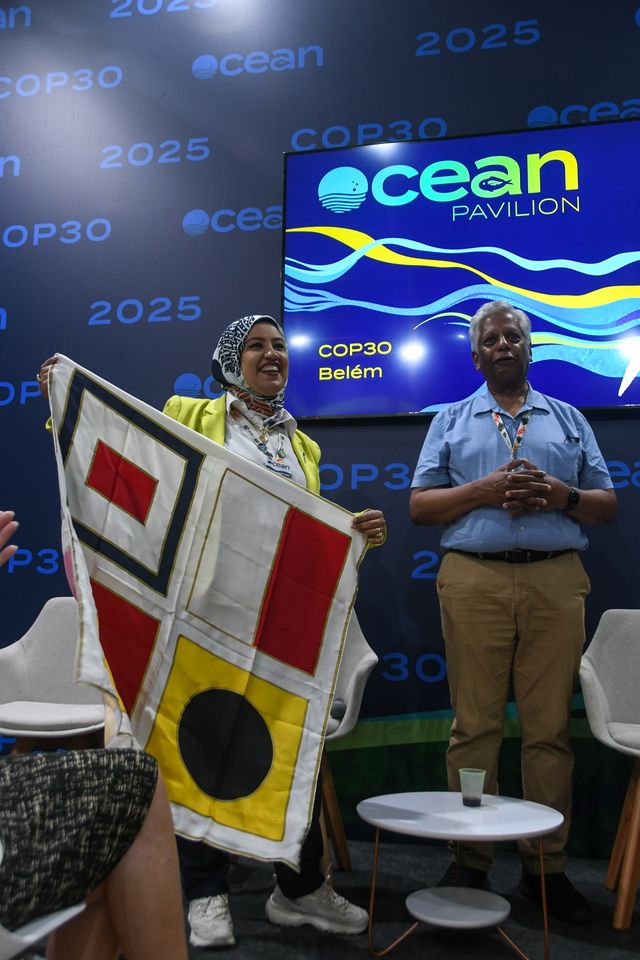
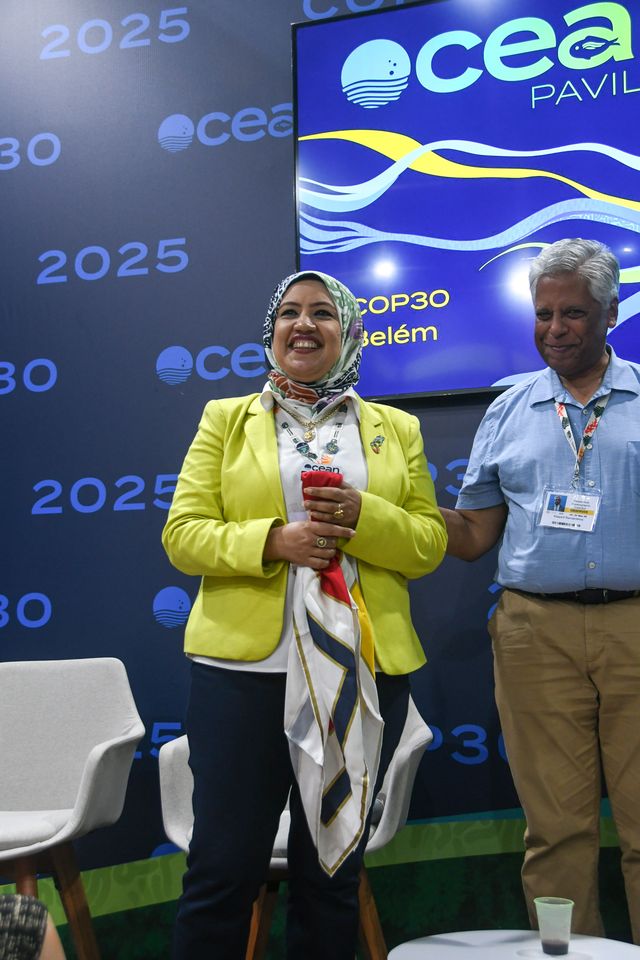
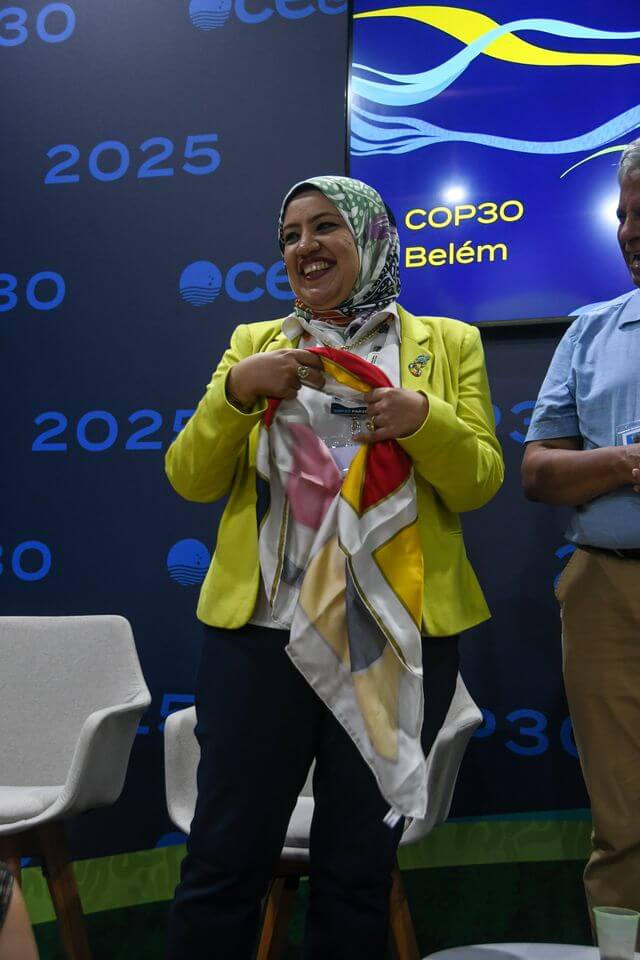
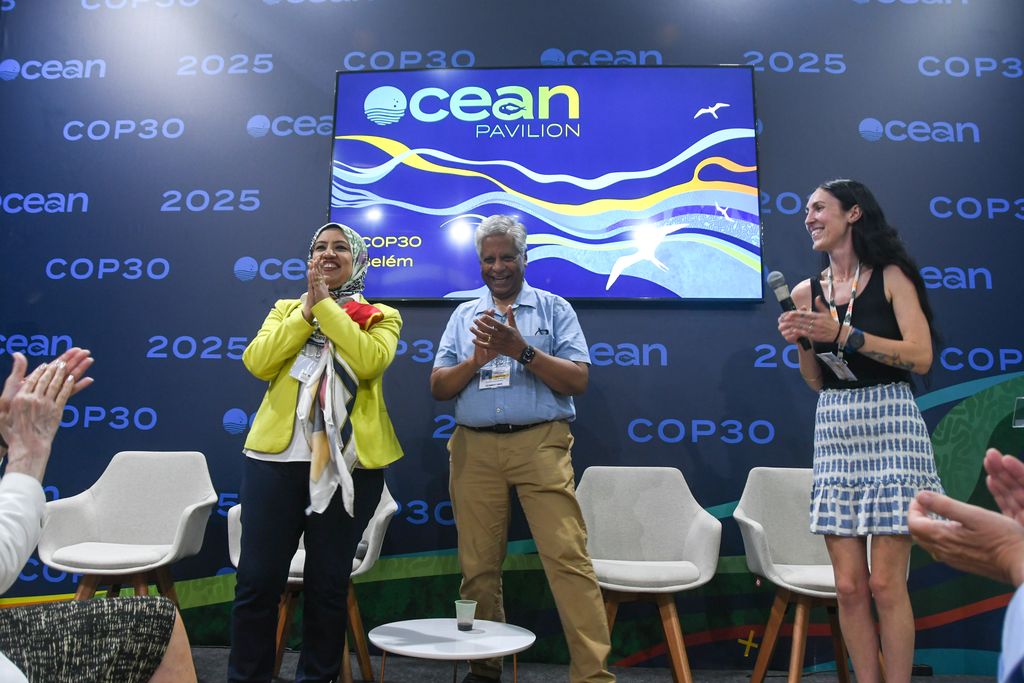
MHMC session in the Ocean Pavilion, COP30
Harnessing Ocean Monitoring Technology for Hazard Mitigation and Carbon Management.
The session showcased how advancements in ocean monitoring technologies are critical for understanding and mitigating marine hazards, including the impacts of a changing climate.
Experts presented real-world case studies on using real-time data from satellite imagery to autonomous underwater vehicles to track marine heatwaves, oil spills, and other hazards.
This event demonstrated the practical application of science and technology to two critical climate challenges: hazard mitigation and climate change mitigation.
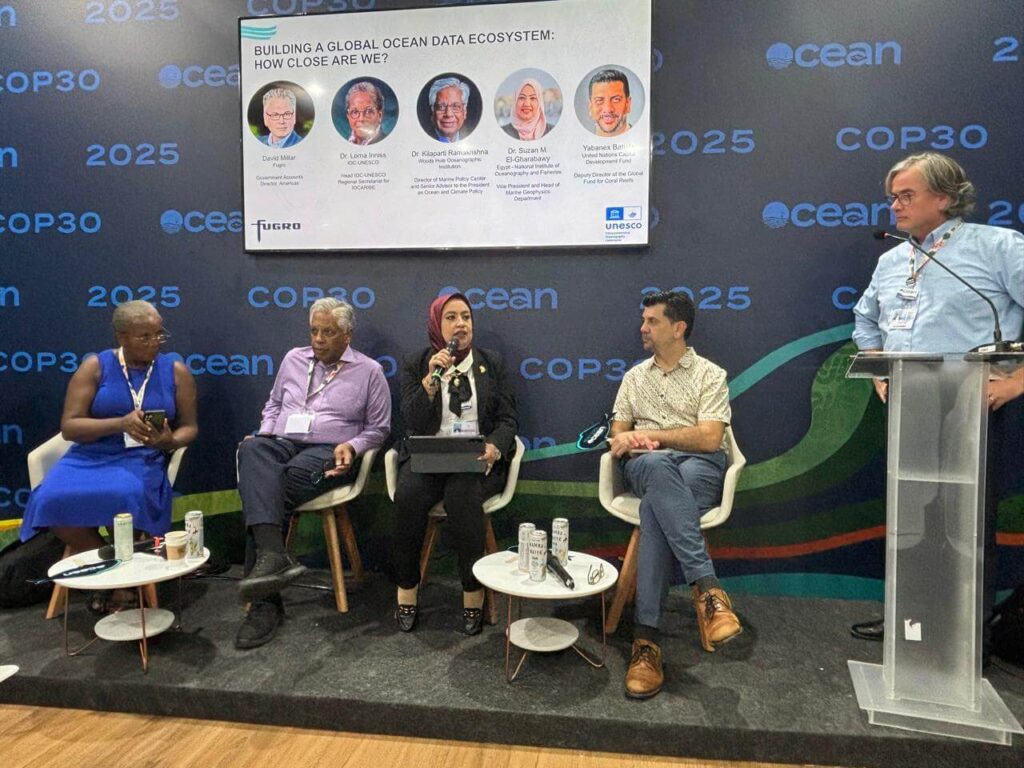
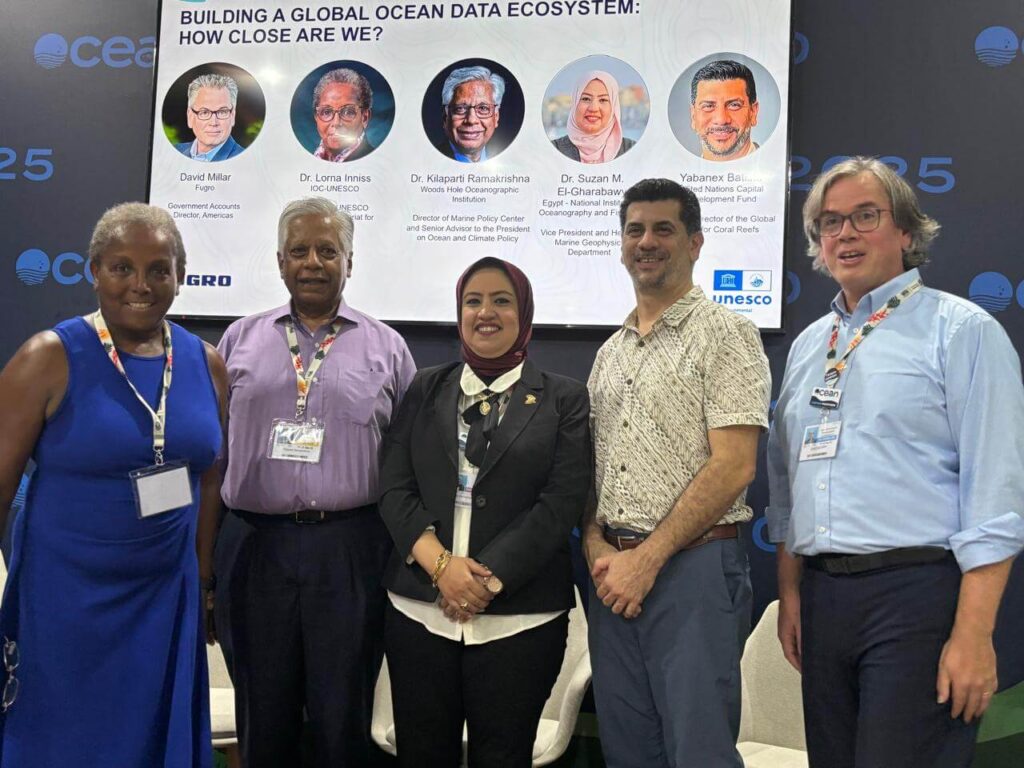
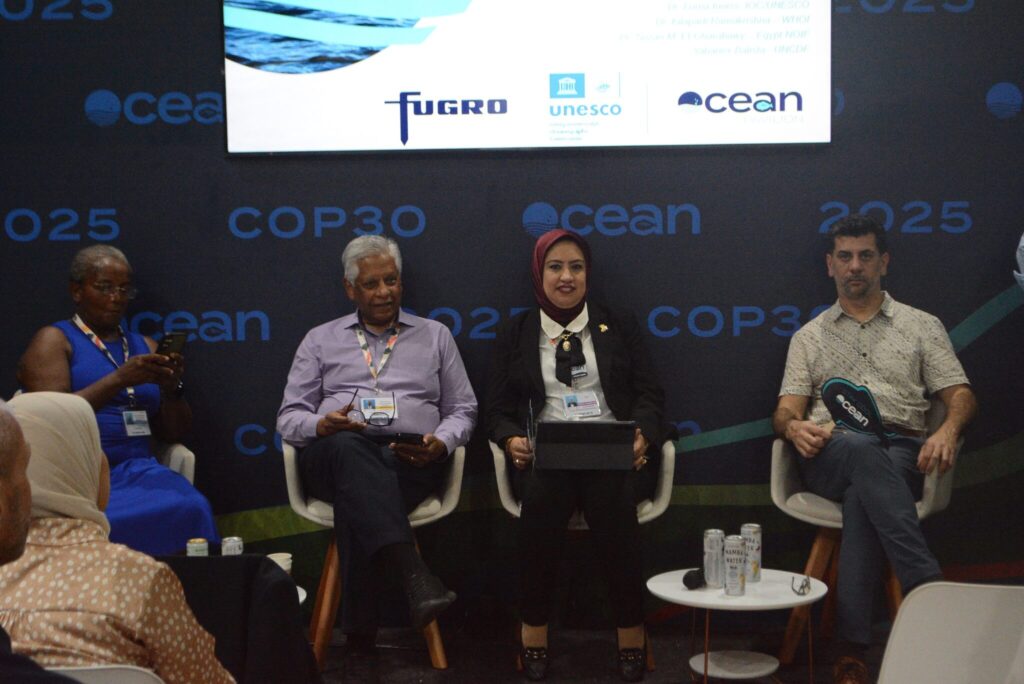
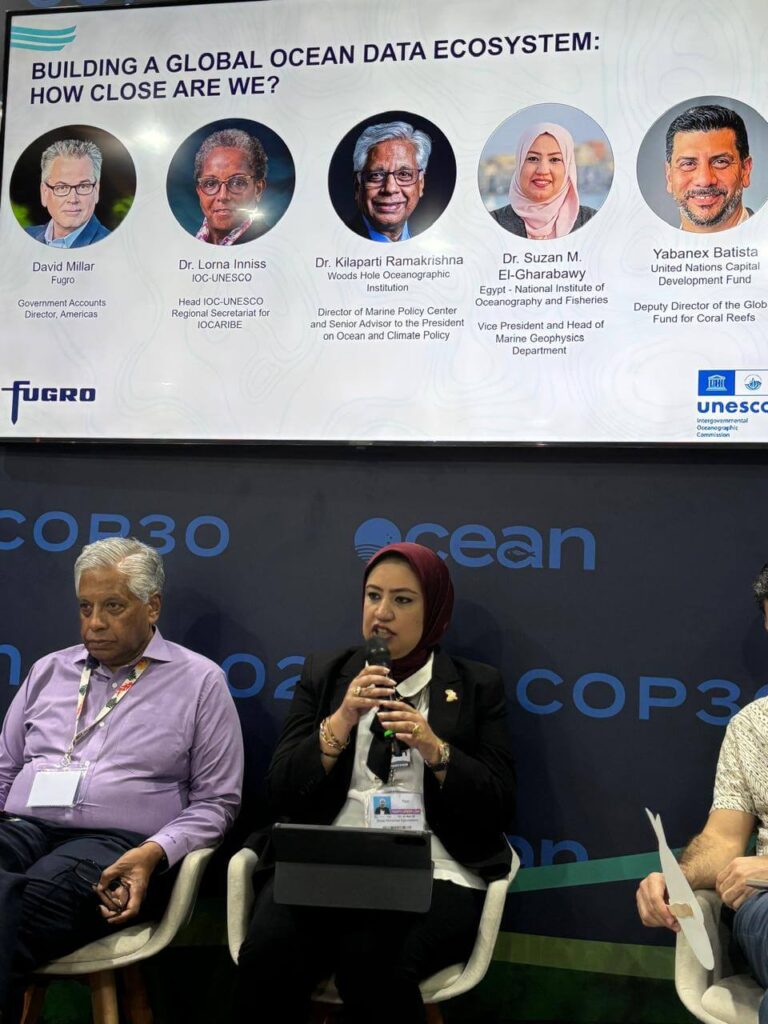
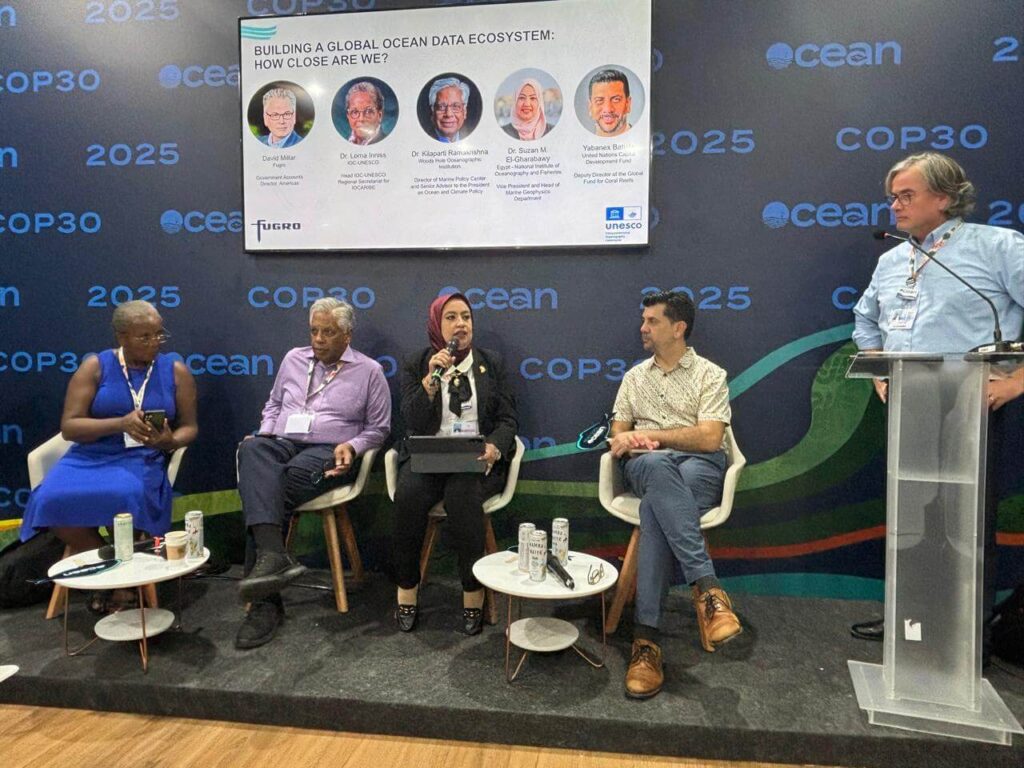
MHMC & WHOI & Fugro & UNESCO session in the Ocean Pavilion COP30.
Building a Global Ocean Data Ecosystem – How Close Are We?
The ocean is changing faster than our ability to understand it—reshaping climate, biodiversity, and disaster risk.
How close are we to building the global ocean data ecosystem needed to keep pace and guide science-informed decisions at every level? As the Ocean Decade reaches its halfway point, this panel of cross-sectoral experts will assess progress, identify data gaps, and explore the partnerships, systems, and investments needed to scale ocean data solutions for real-world impact.
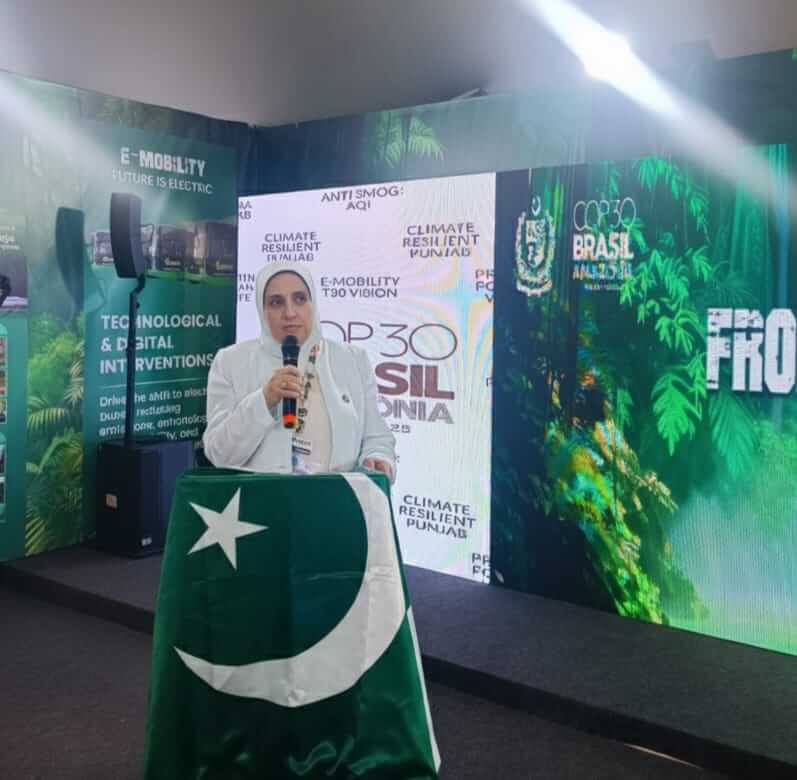
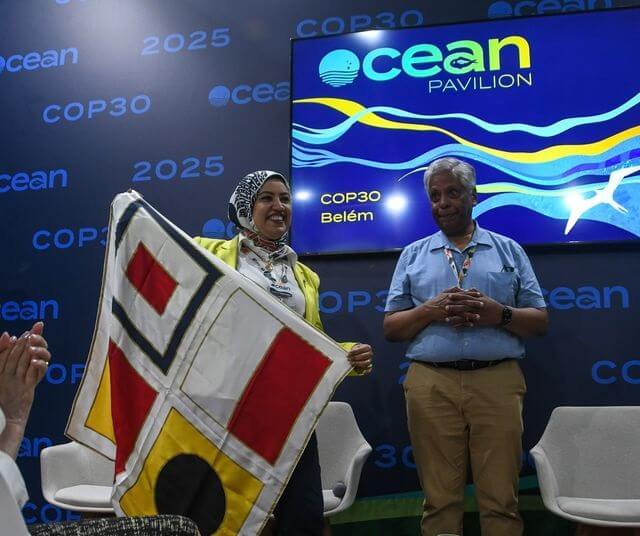
Head of “Oceanography” Highlights Women’s Role in Climate Change Action at COP30
Prof. Dr. Abeer Moneer Participates in Women’s Empowerment Panel at Pakistan Pavilion, Affirms: No Sustainable Development Without Female Leadership.
Within the framework of the Conference of the Parties (COP30) to the United Nations Framework Convention on Climate Change (UNFCCC), held in Belem, Brazil, Prof. Abeer Moneer, President of the National Institute of Oceanography and Fisheries (NIOF) of Egypt, participated in a specialized panel discussion organized by the Pavilion of the Islamic Republic of Pakistan in the Blue Zone, titled “Women’s Empowerment in Islamic States and the Middle East: Leading Climate Action.”
The seminar saw high-level attendance from female leaders, experts, and decision-makers. Discussions focused on the intersection of gender empowerment issues with climate change challenges, especially in coastal areas that are most affected by sea-level rise and ocean acidification.
Empowering Women in Leadership Positions: A Driving Force for Climate Action
Prof. Abeer Moneer dedicated a significant portion of her intervention to discussing the importance of placing women in leadership roles, particularly in governmental and research institutions concerned with the environment and climate.
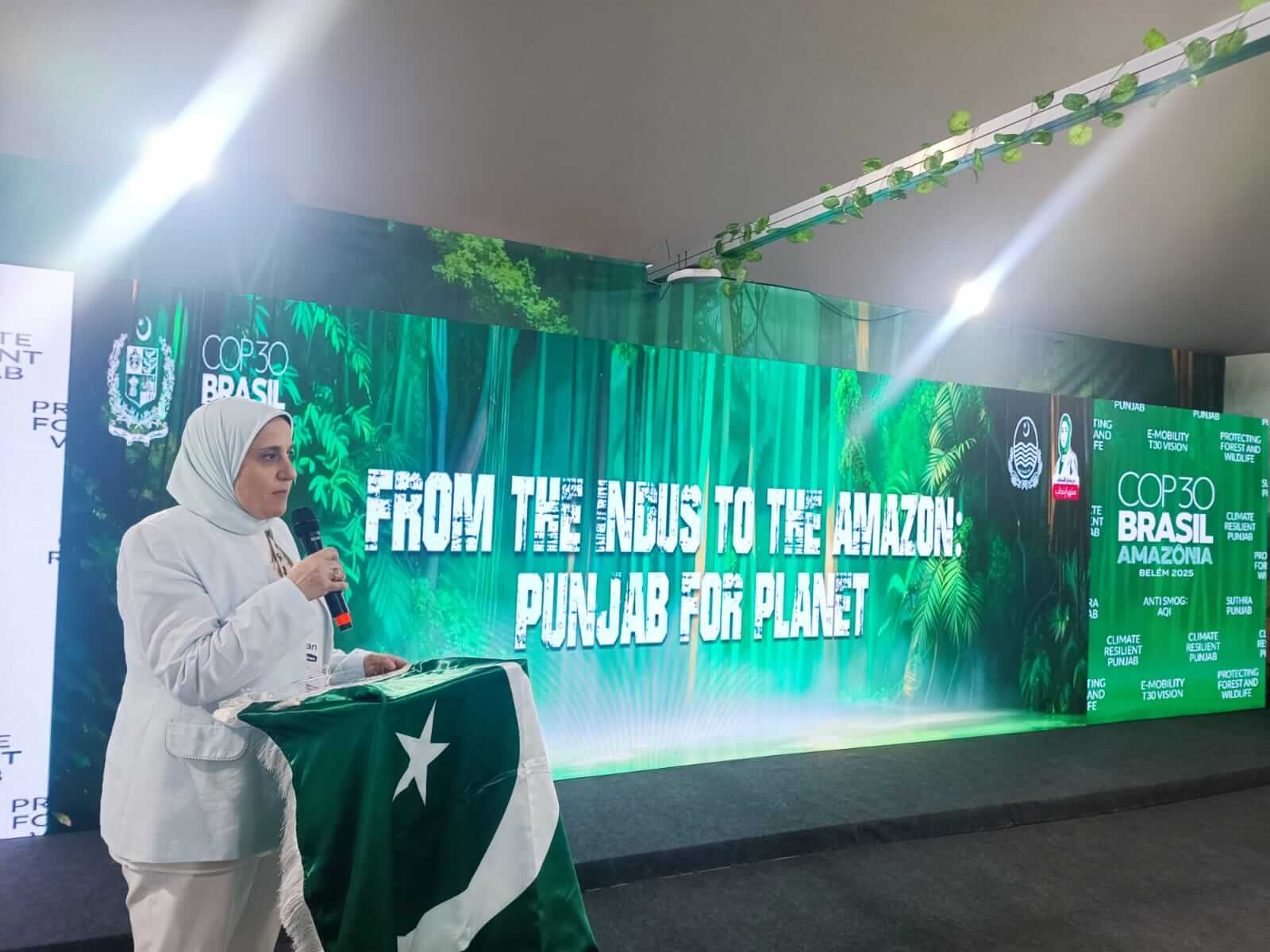
Prof. Moneer explained: “Merely involving women is not enough; they must assume decision-making positions. Practical experience has proven that female leaders possess a more comprehensive and sustainable outlook on environmental problems, given their closeness to the societal and economic challenges associated with climate.”
The NIOF President pointed out that her presidency of a major scientific institution like the National Institute of Oceanography and Fisheries reflects the Egyptian state’s commitment to empowering female competencies. She called upon the participating countries to set clear quantitative targets to increase women’s representation on boards of directors and in leading major projects related to renewable energy, water management, and the blue economy. She emphasized that this empowerment is not a privilege, but a strategic necessity to ensure efficiency and innovation in climate adaptation policies.
Women’s Role in Conserving the Marine Environment
During her speech, Prof. Moneer stressed that women, especially in coastal communities, are the first line of defense and the most affected by the consequences of climate change. She emphasized that any effective strategy for climate adaptation or mitigation must place women’s empowerment at its core.
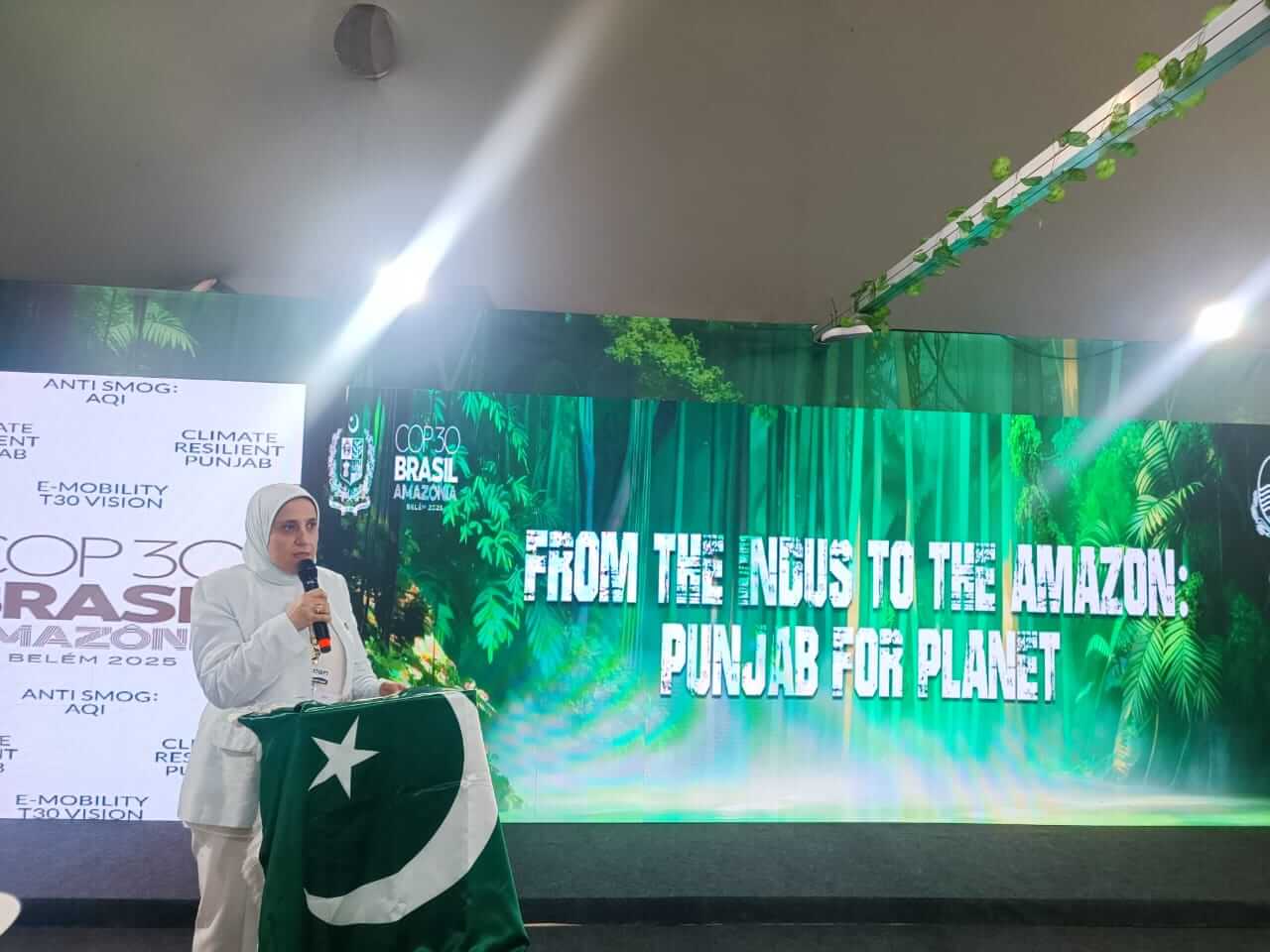
“Achieving sustainable blue development and protecting our vital marine resources is impossible without the full and effective integration of women as researchers, decision-makers, and innovators,” Prof. Moneer stated.
The NIOF President highlighted the Institute’s efforts in Egypt to bridge the gender gap in marine scientific research, noting that a significant number of research teams addressing vital issues such as fish stock assessment, the impact of rising water temperatures, and aquaculture technology are led by specialized female researchers.
Prof. Moneer also called for the necessity of directing more climate finance to support women-led initiatives in Islamic states and the Middle East, particularly those focusing on Ecosystem-Based Adaptation (EBA) and the protection of marine systems.
She indicated that NIOF’s participation in COP30 aims to strengthen regional and international partnerships for the exchange of knowledge and expertise, and to highlight successful models of female researchers who offer innovative solutions to environmental and fisheries problems, thereby serving the global objectives of the Paris Agreement.
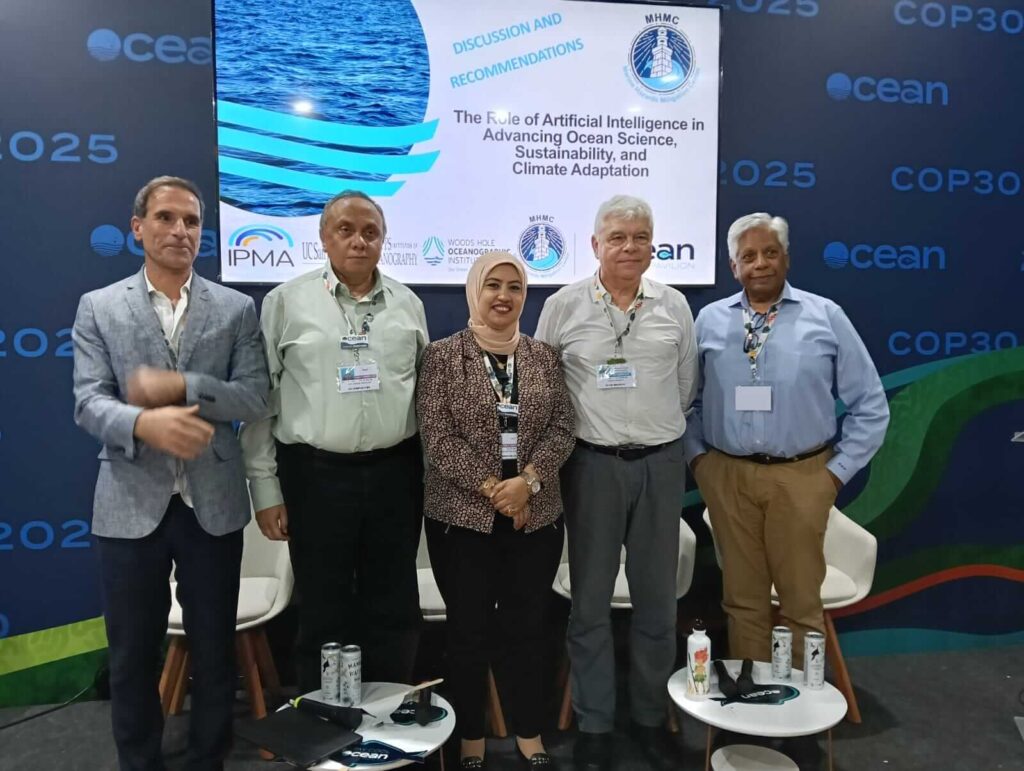
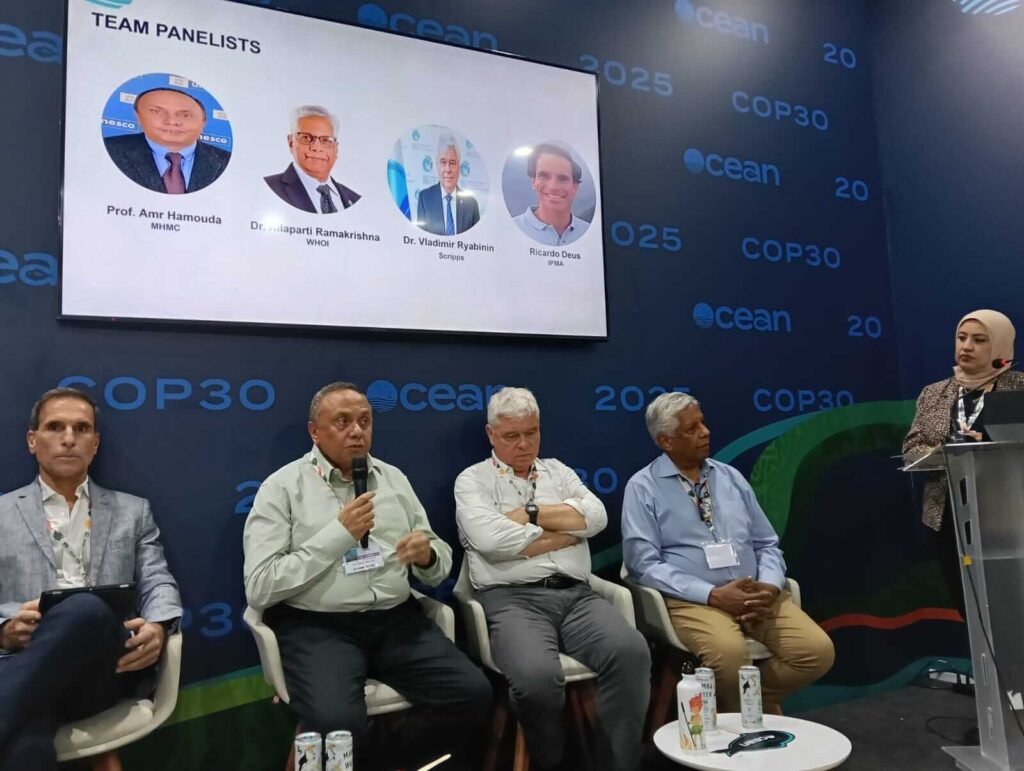
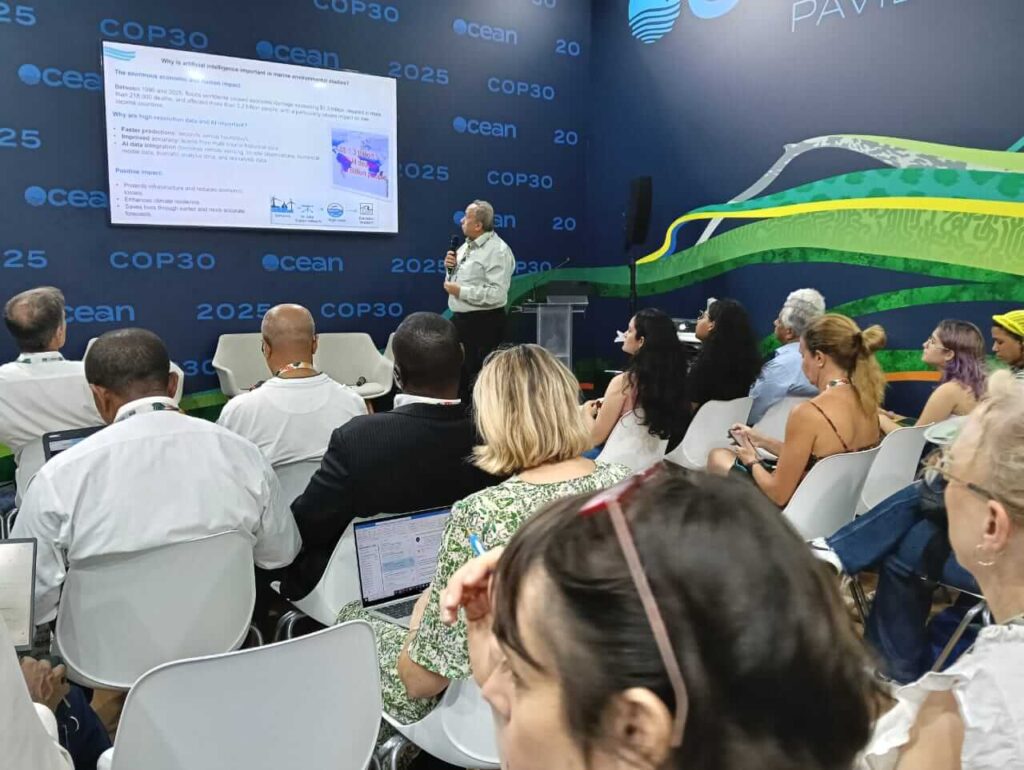
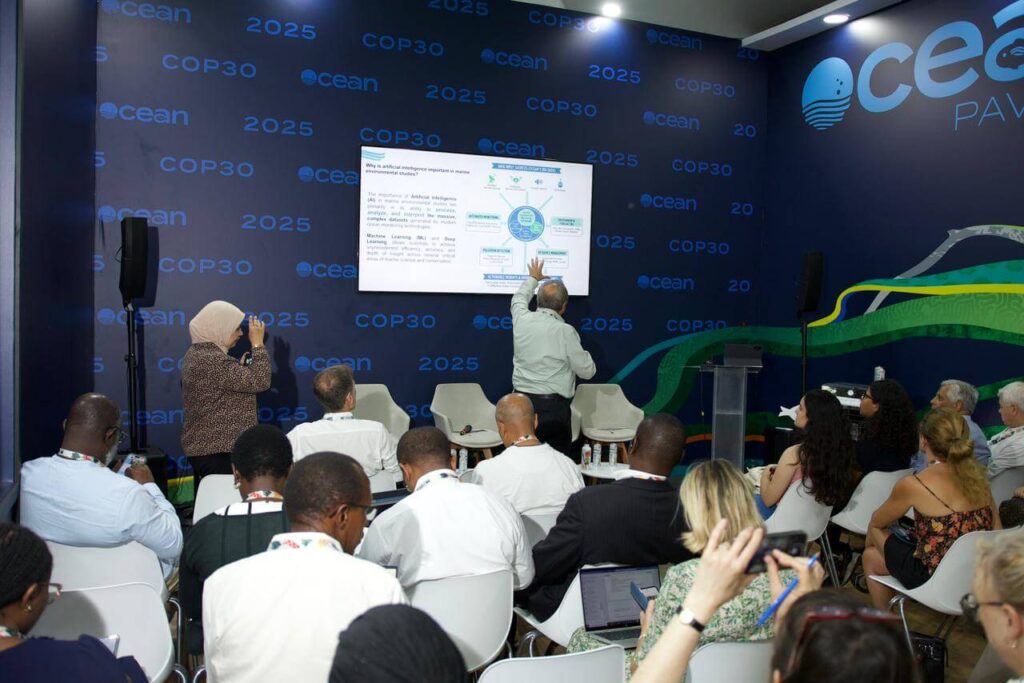
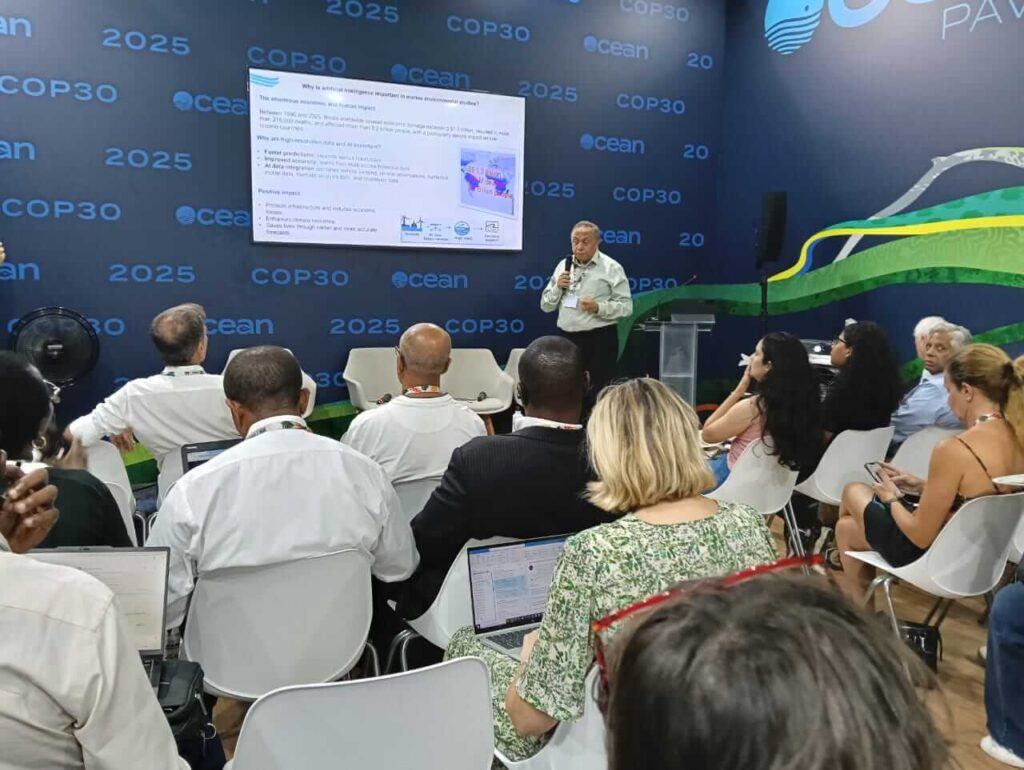
MHMC Session titled “The Role of Artificial Intelligence in Advancing Ocean Science, Sustainability, and Climate Adaptation.”
Ocean Pavilion, COP30, Belem, Brazil.
The scale and speed of the challenges facing our oceans—from warming waters and habitat destruction to pervasive pollution and illegal activities—are simply too vast for traditional science to tackle alone. We need a force multiplier. We need a new generation of tools. And that is exactly what Artificial Intelligence is proving to be.
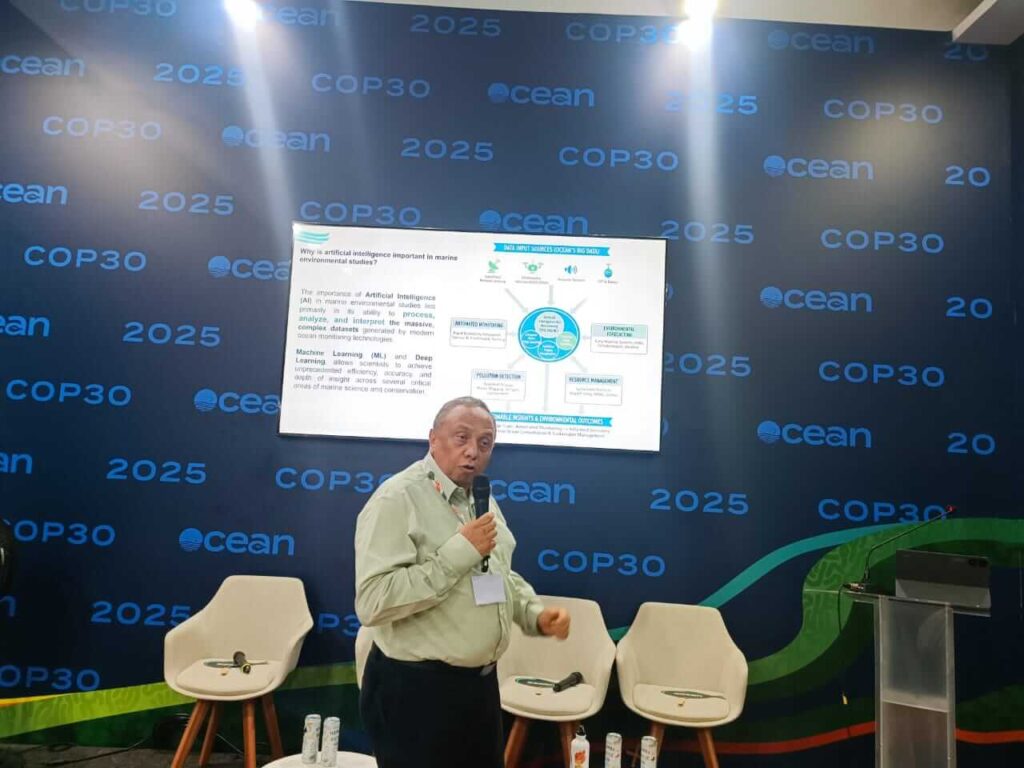
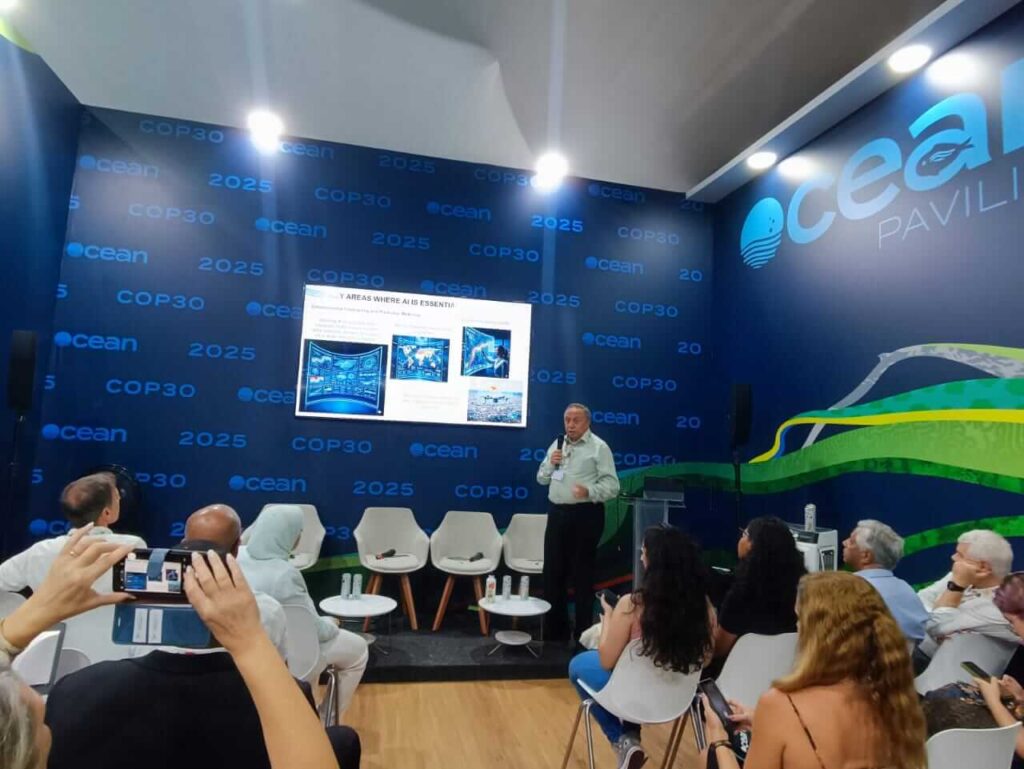
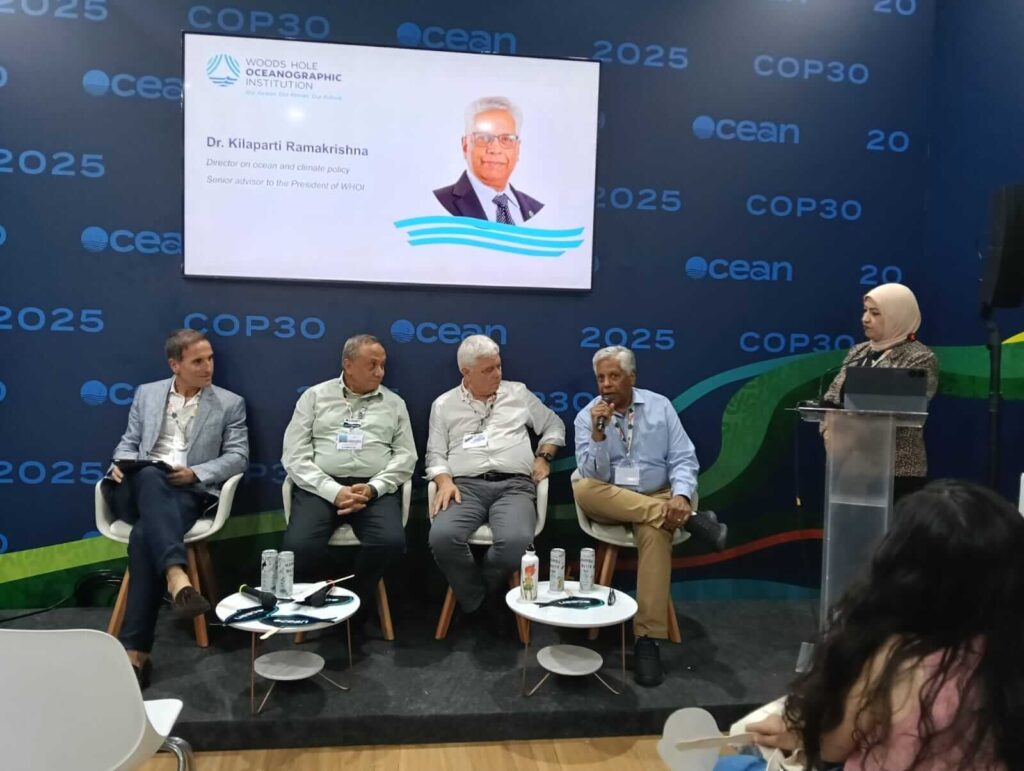
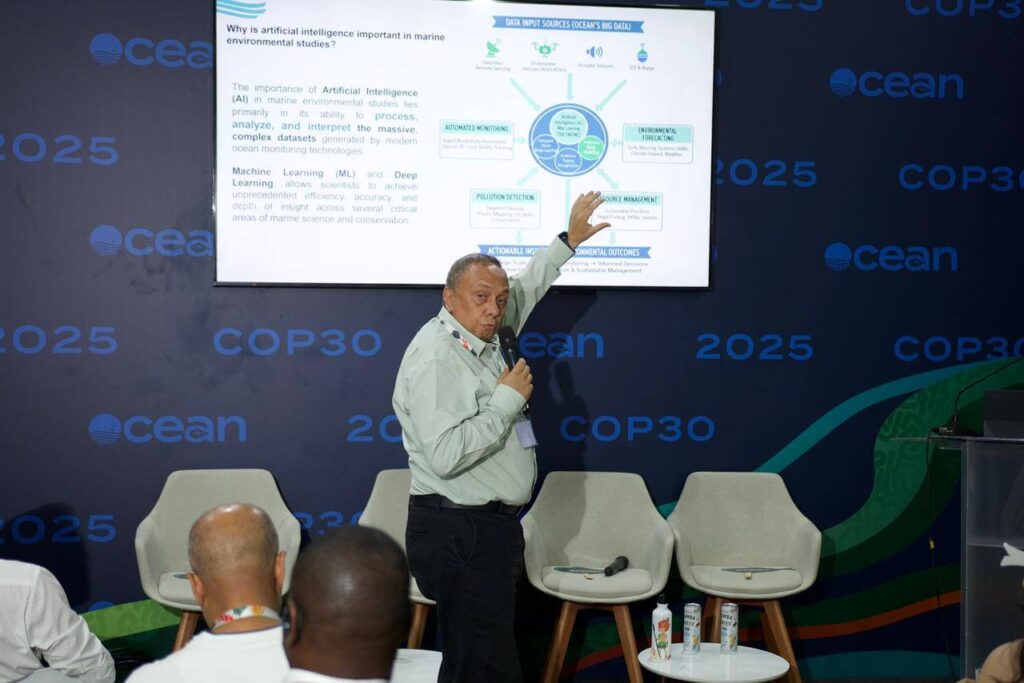
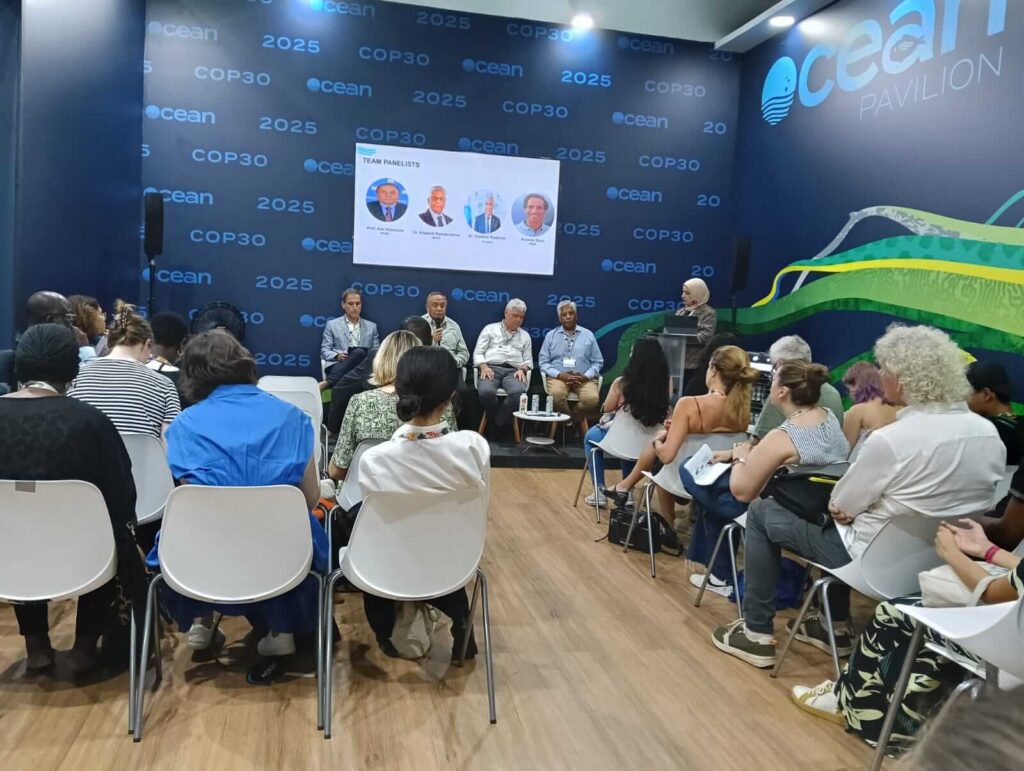
Speakers:
- Prof. Suzan Elgharabawy (Moderator) – Vice President of MHMC
- Prof. Amr Hamouda – President of MHMC
- Dr. Kilaparti Ramakrishna – Director on ocean and climate policy
Senior advisor to the President of WHOI
- Dr. Vladimir Ryabinin – Adviser Scripps Institution of Oceanography
- Ricardo Deus – Head of the Climate and Climate Change Division at IPMA
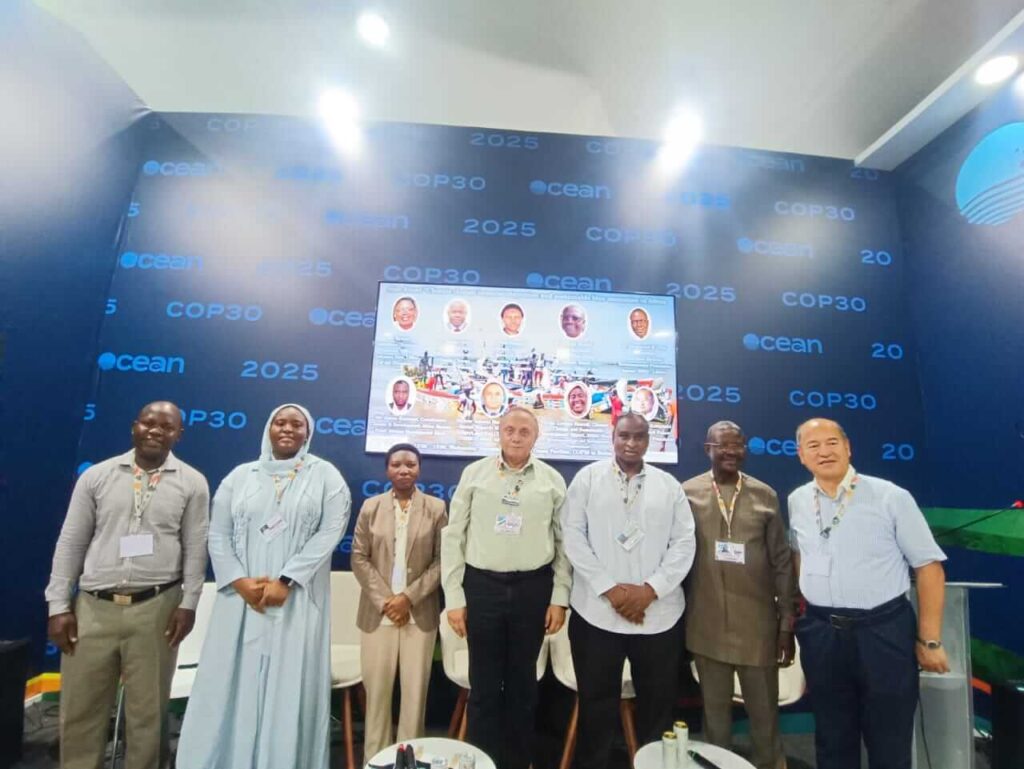
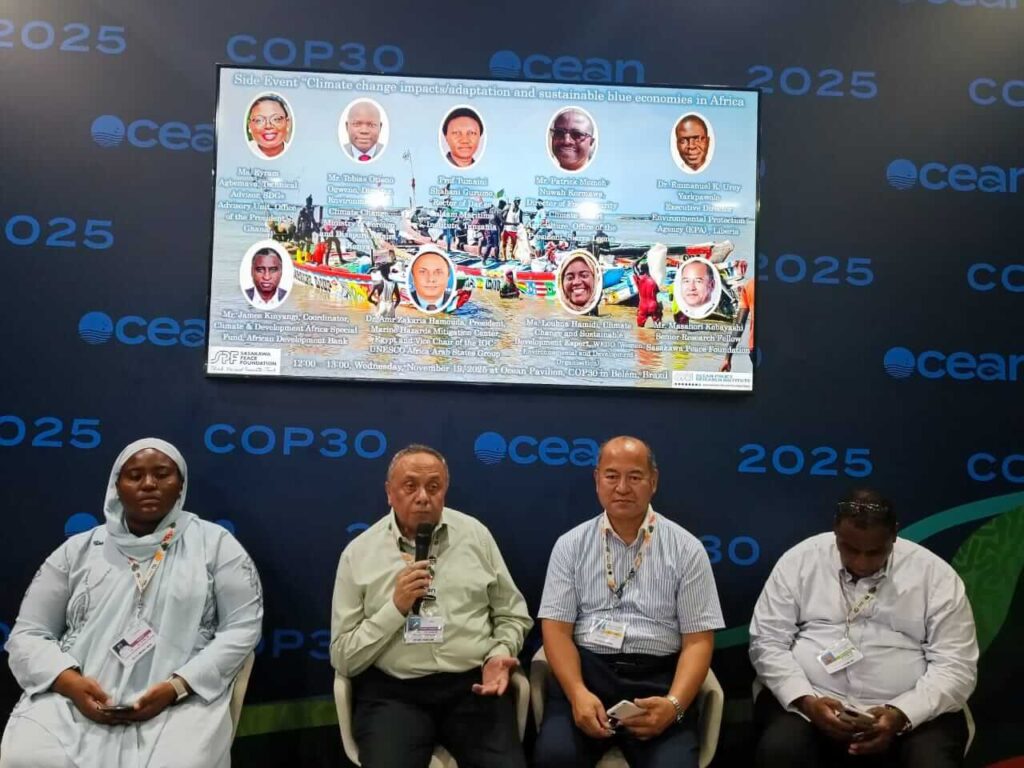
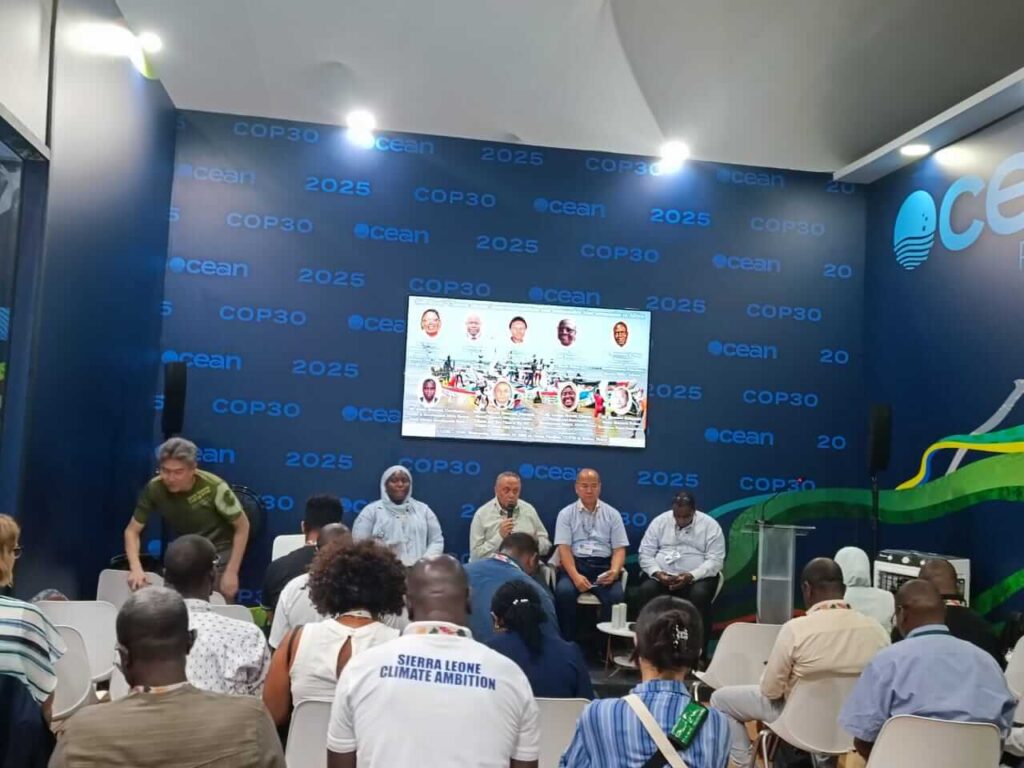
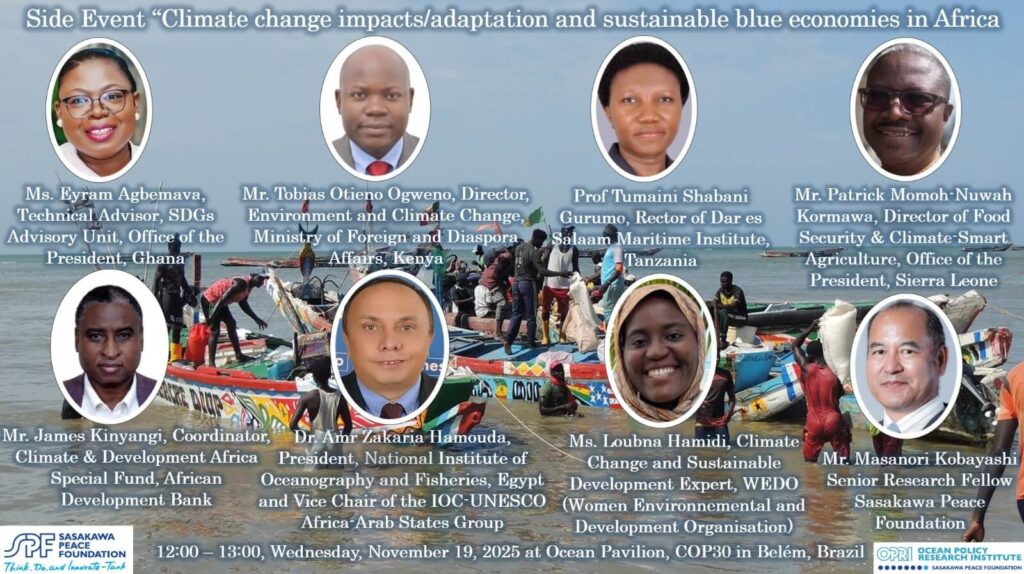
MHMC & SPF & OPRI – Side event titled “Climate change impacts/ adaptation and sustainable blue economies in Africa”
Ocean Pavilion – Blue Zone – COP30 – Belem, Brazil.
Prof. Amr Hamouda – Vice – Chair of IOC (Africa Group) & MHMC President discussed the climate change impacts in ocean and fishery sectors, actions and challenges and suggested partnership.
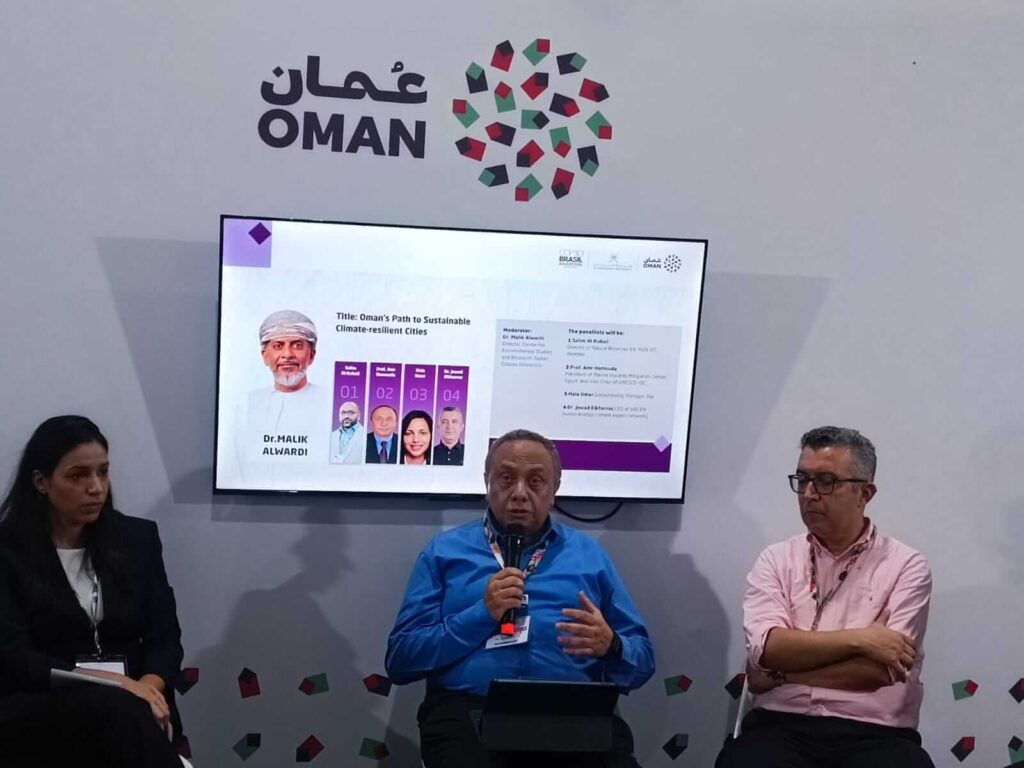
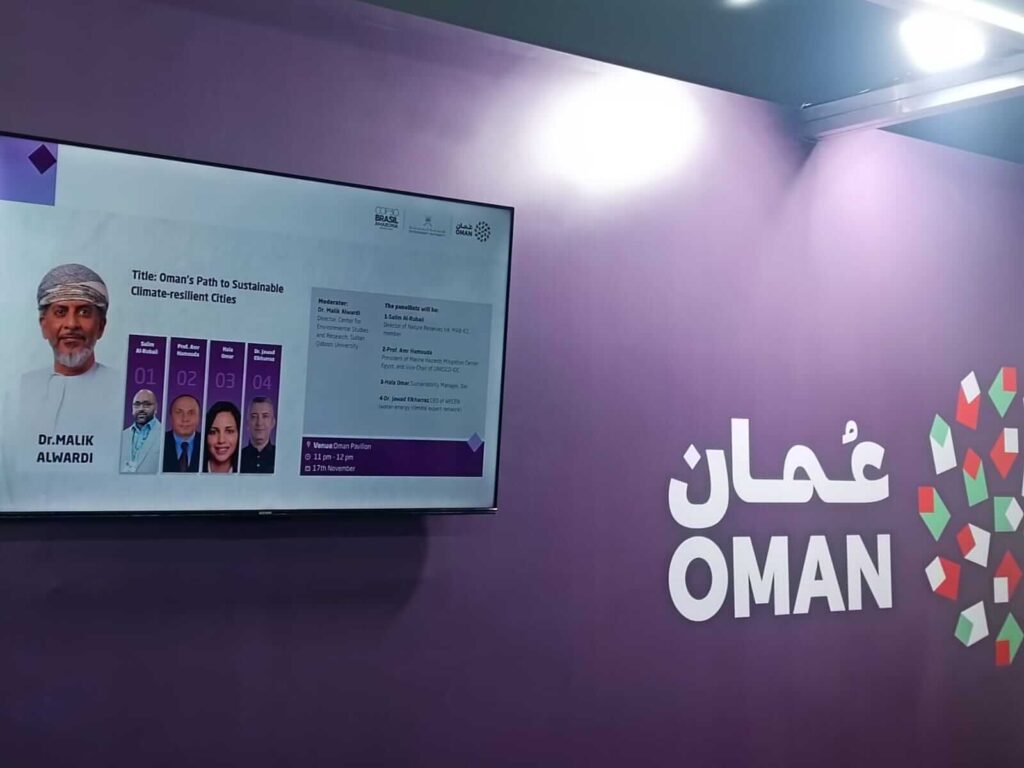
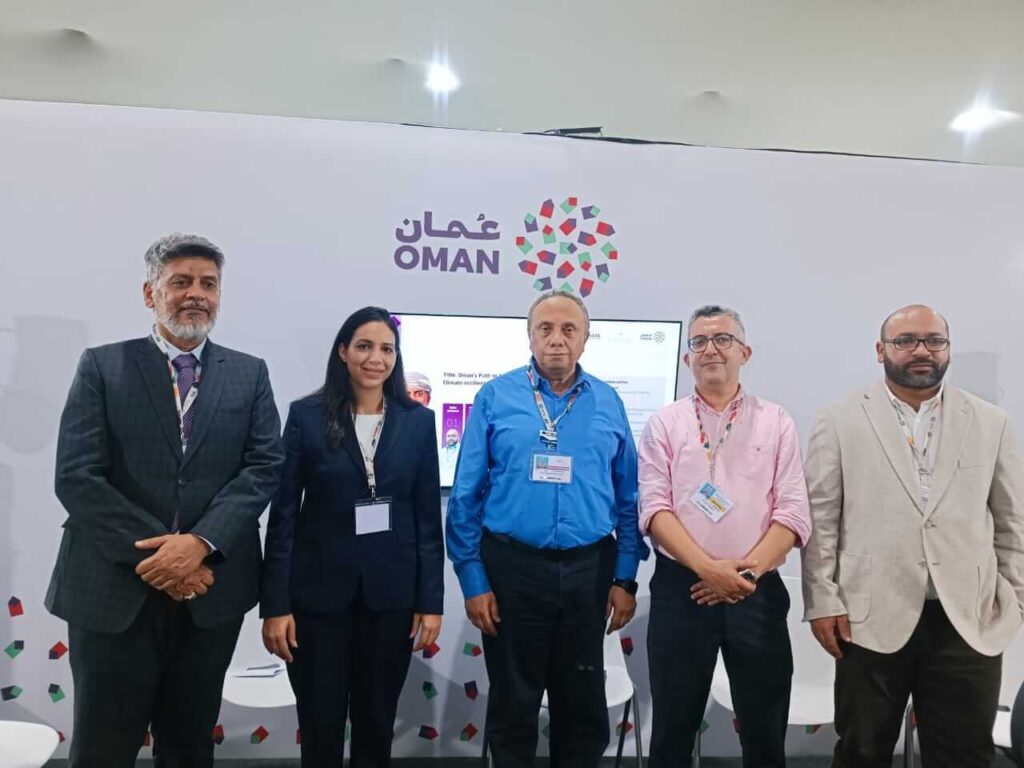
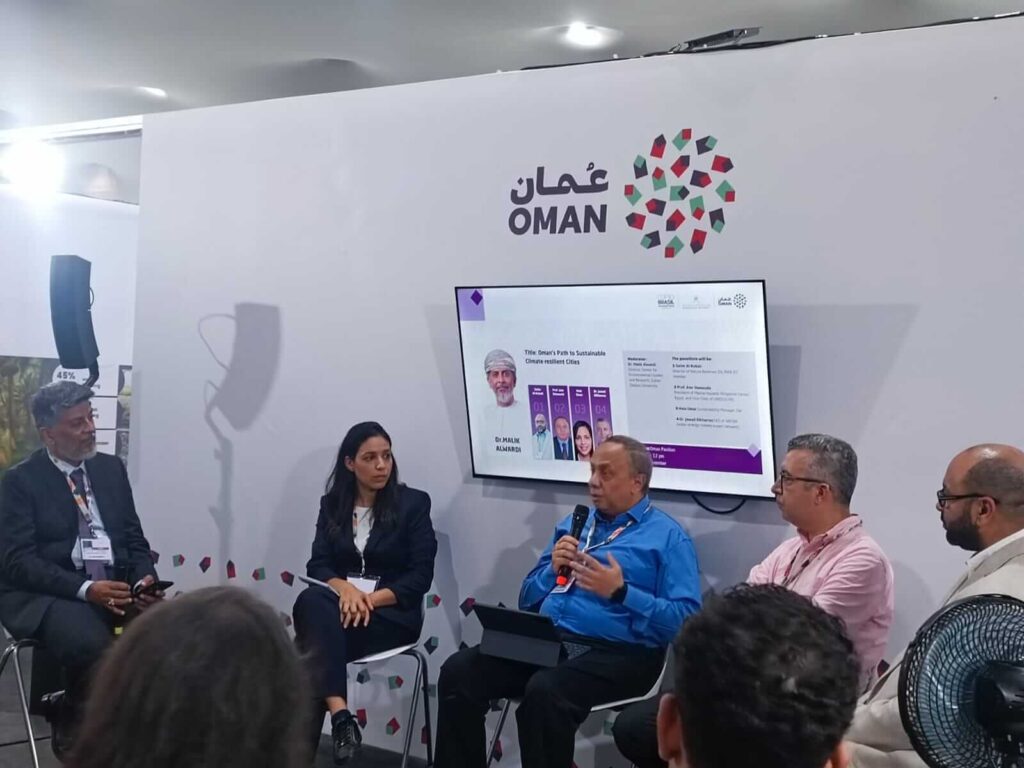
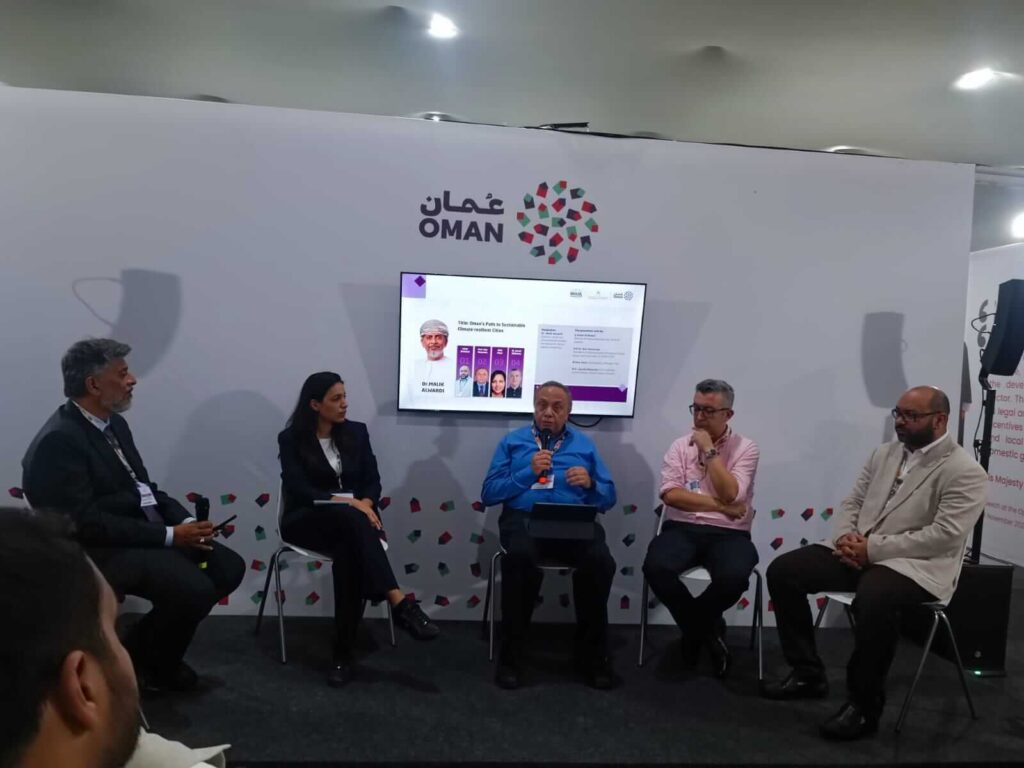
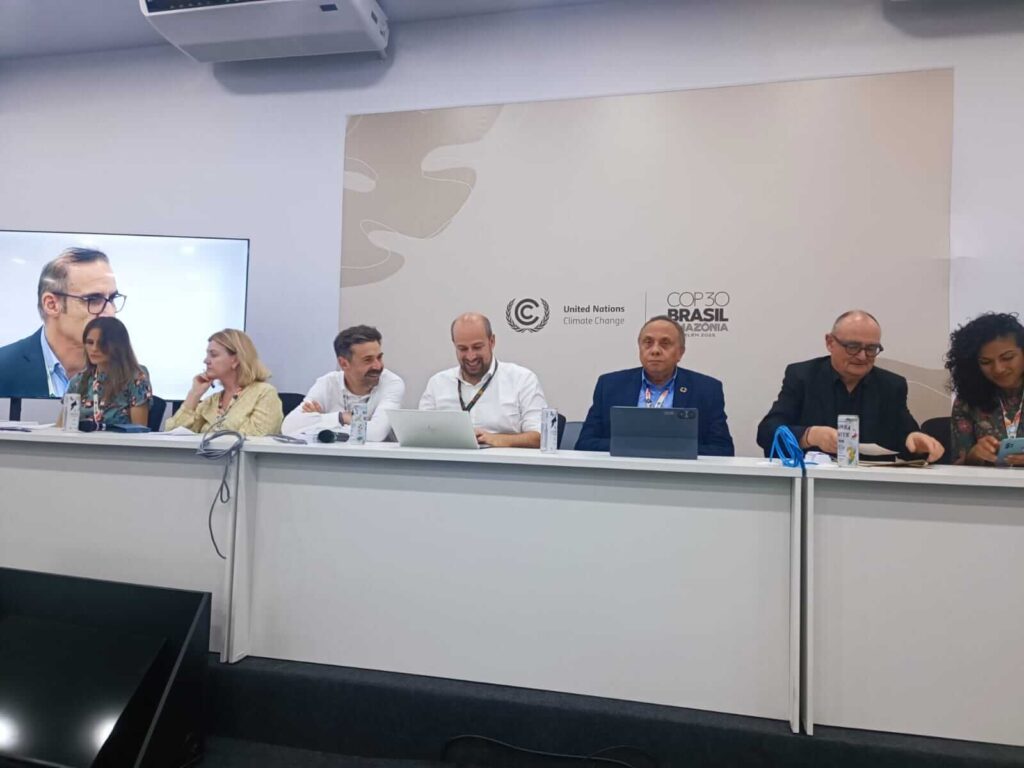
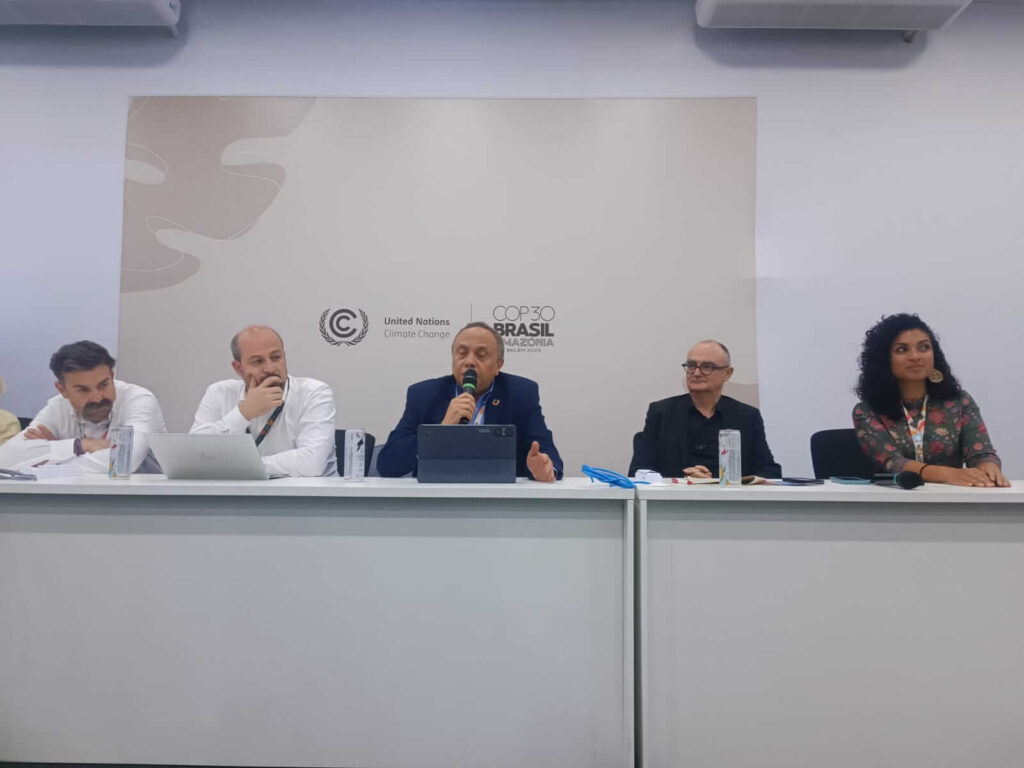
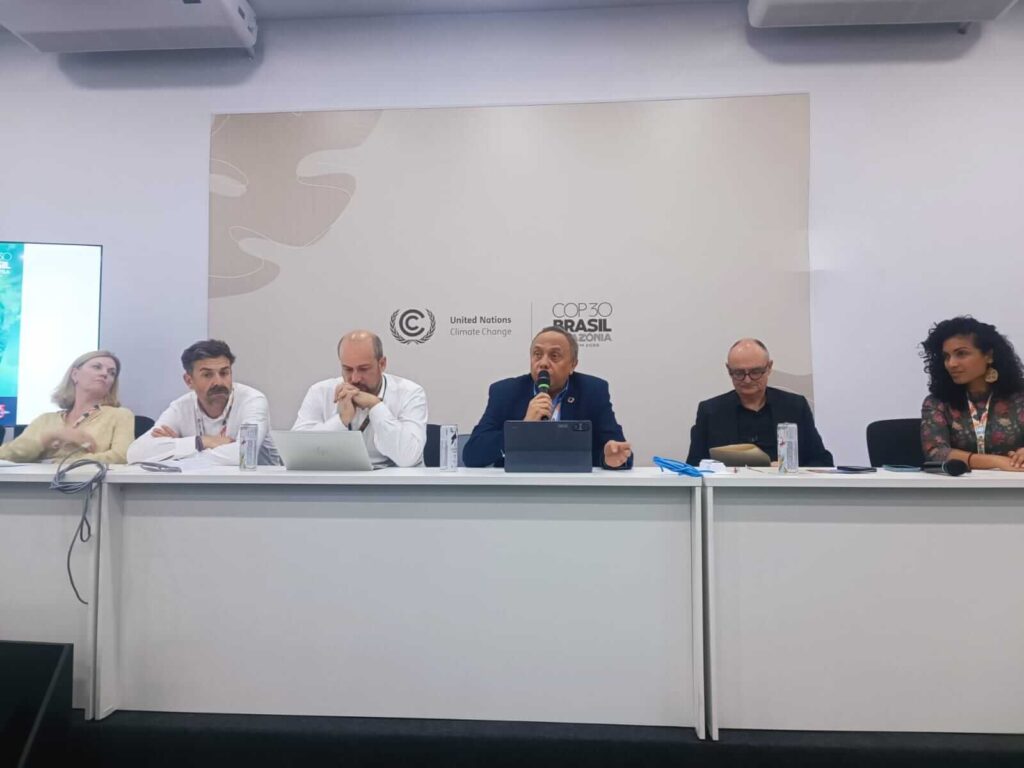
MHMC – Side event titled “Oman’s path to sustainable climate resilience cities”
Oman Pavilion – Blue Zone – COP30 – Belem, Brazil.
Prof. Amr Hamouda – Vice – Chair of IOC (Africa Group) & MHMC President discussed tsunamis and sea-level rise impacts on coastal countries and better link hazard mitigation and biodiversity conservation. Prioritize global initiative in the next decade to align marine hazard mitigation with biodiversity conservation.
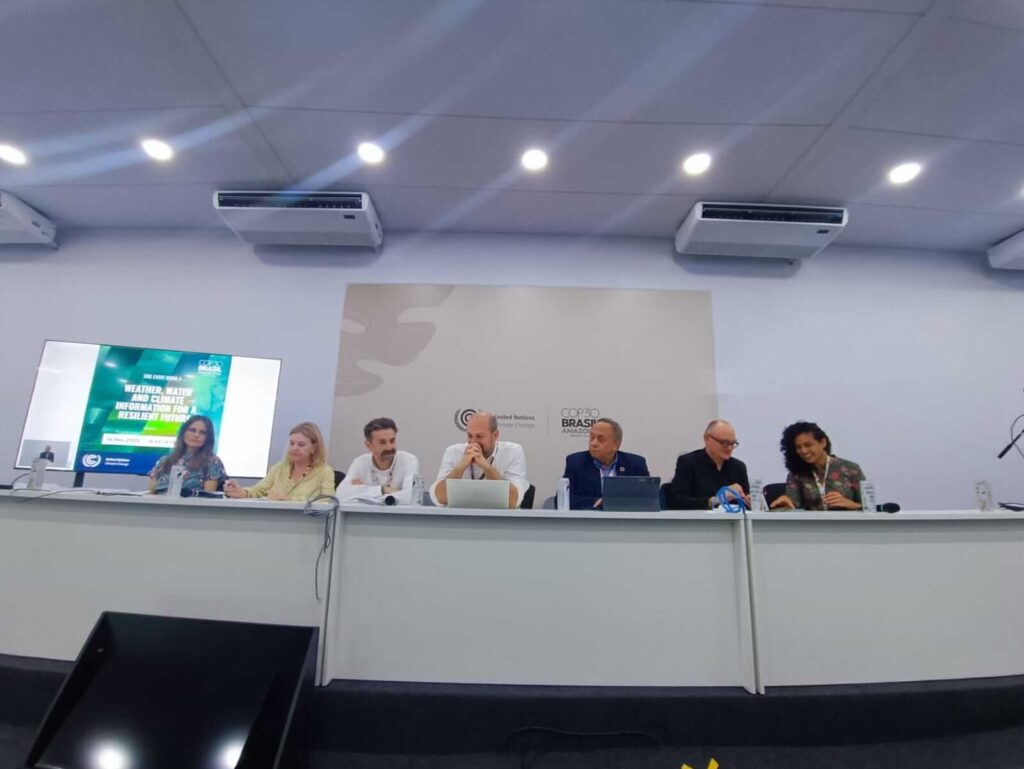
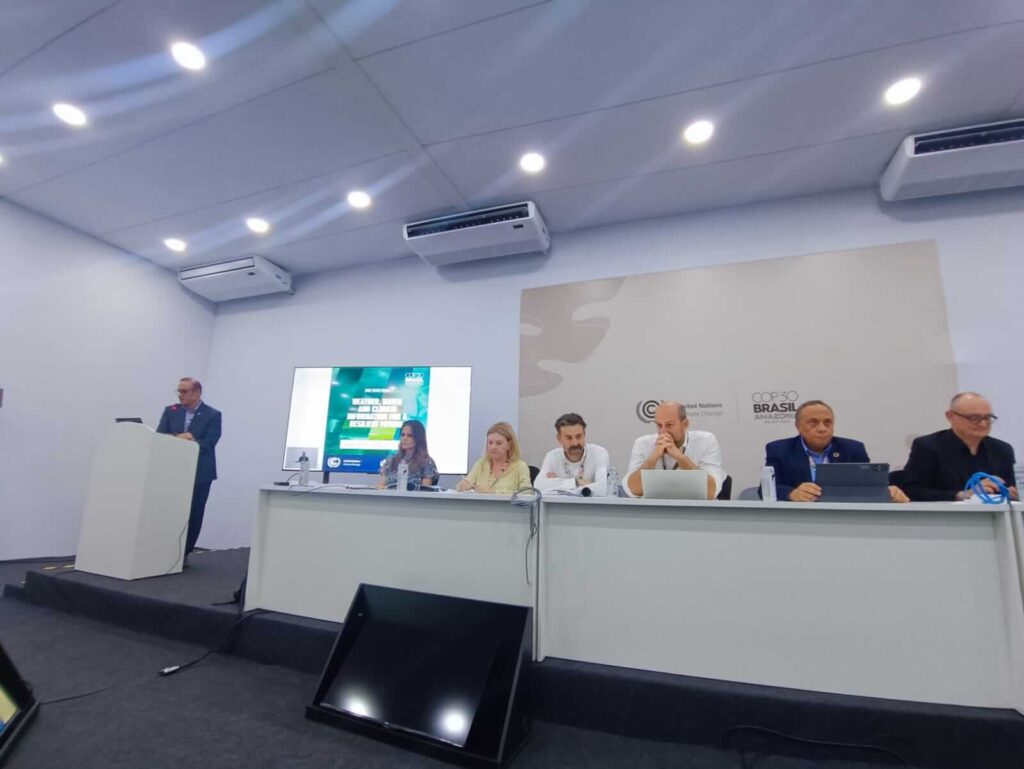
MHMC – Side event titled “Weather, Water, and Climate Information for a Resilient Future”
Organized by World Meteorological Organization (WMO)
Side Event Room 4 – Blue Zone – COP30 – Belem, Brazil.
Prof. Amr Hamouda – Vice – Chair of IOC & MHMC President discussion centred on ocean observations and marine sciences. The IOC promotes international cooperation to improve the management of the ocean, coasts, and marine resources.
He addressed crucial questions related to:
Enhancing partnerships and capacity development for strengthening our knowledge and management of the ocean.
The contributions of the UN Decade of Ocean Science for Sustainable Development (2021-2030), which the IOC coordinates, to science and knowledge generation.
Breakthrough technologies in ocean observation or modelling that are improving early warning for coastal communities.
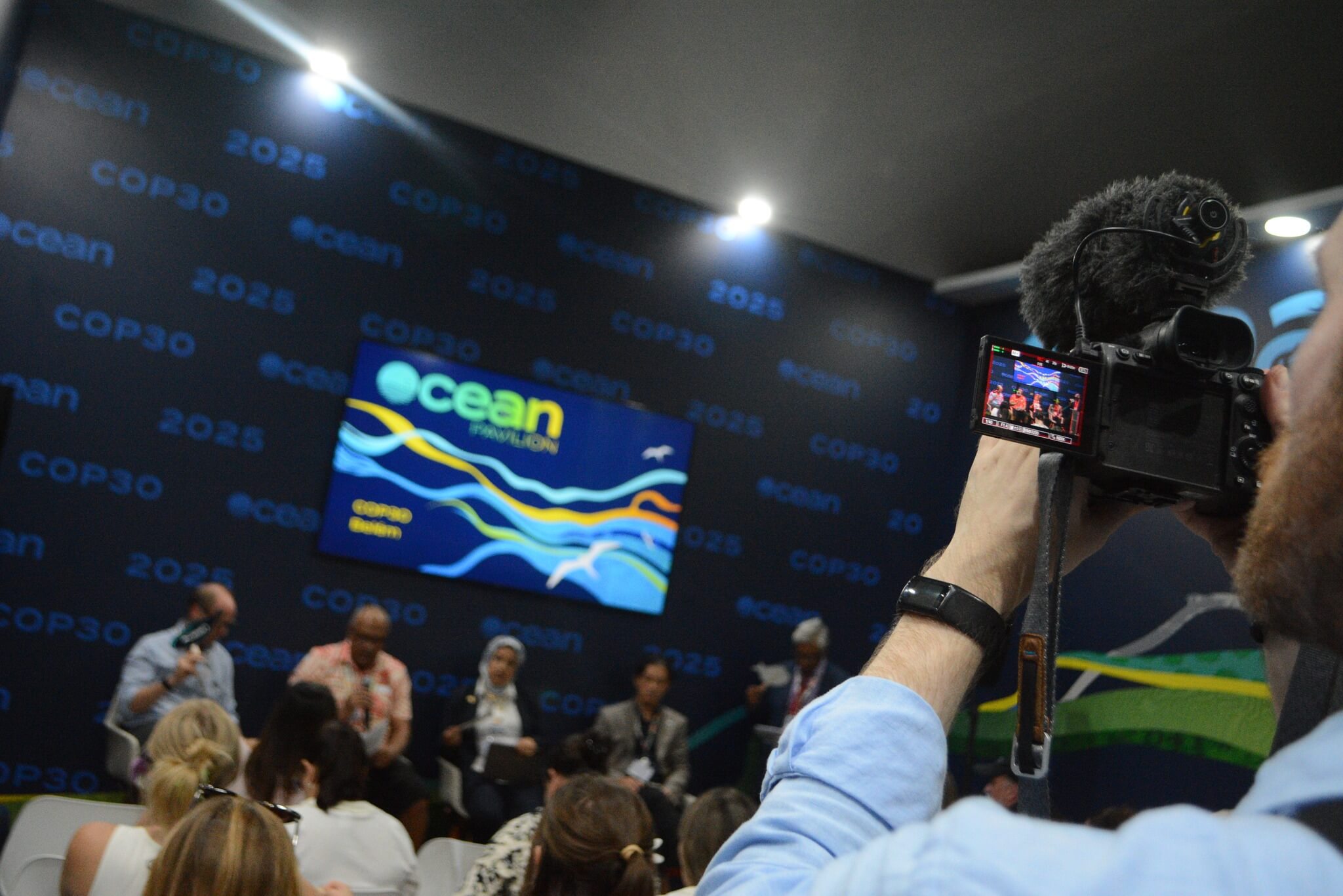
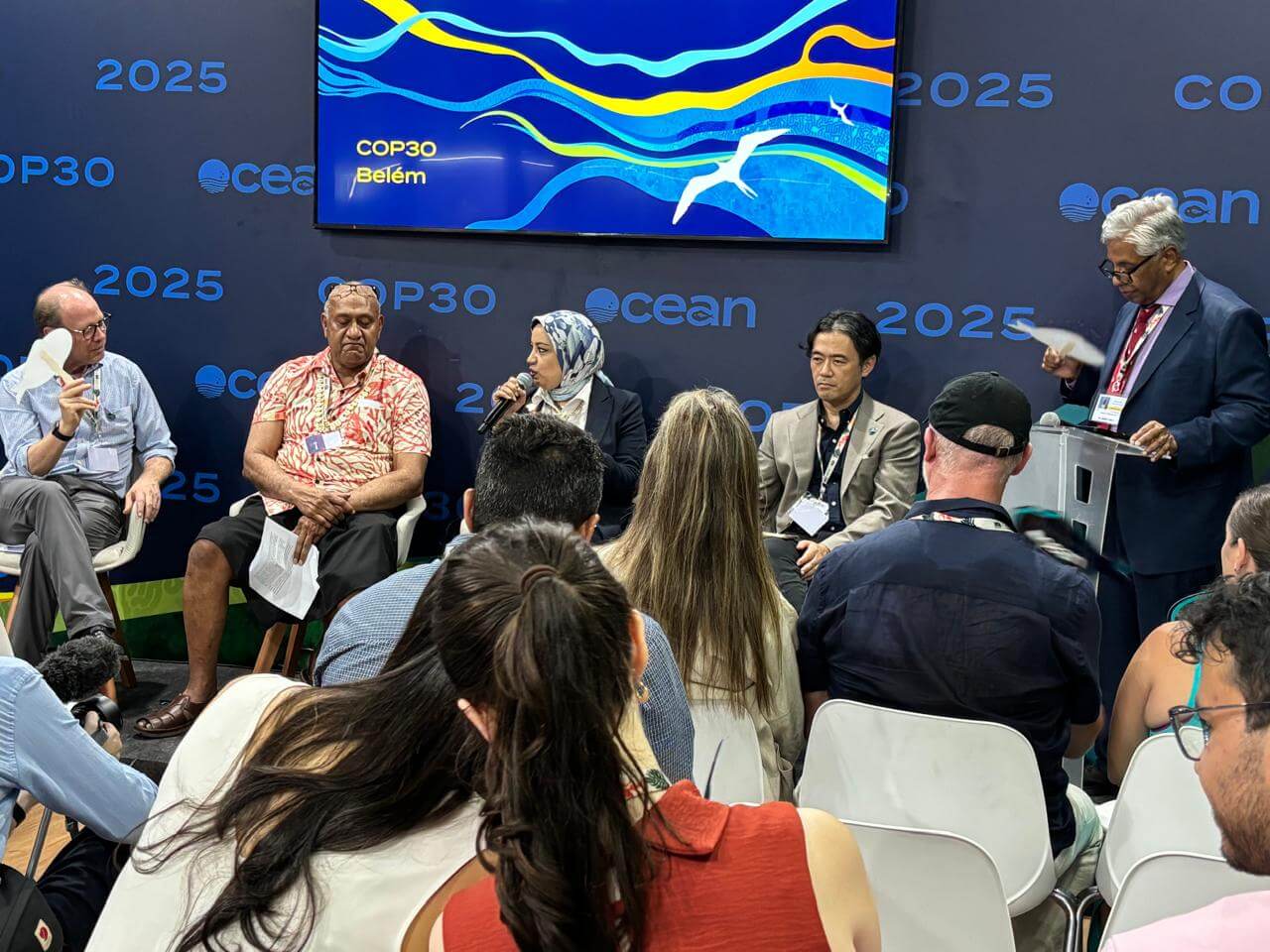
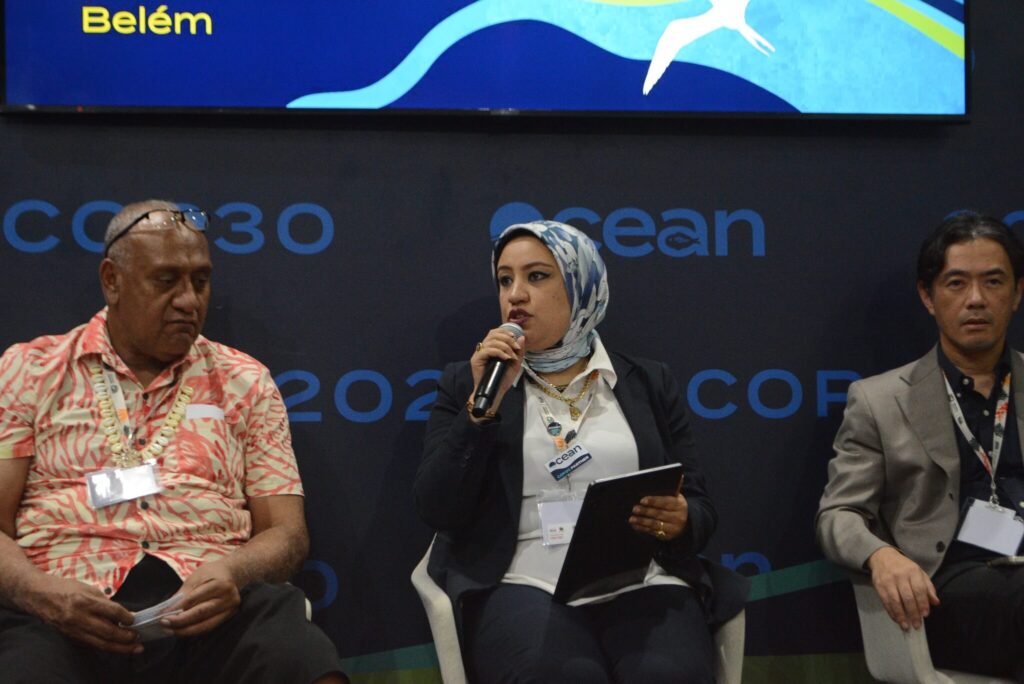
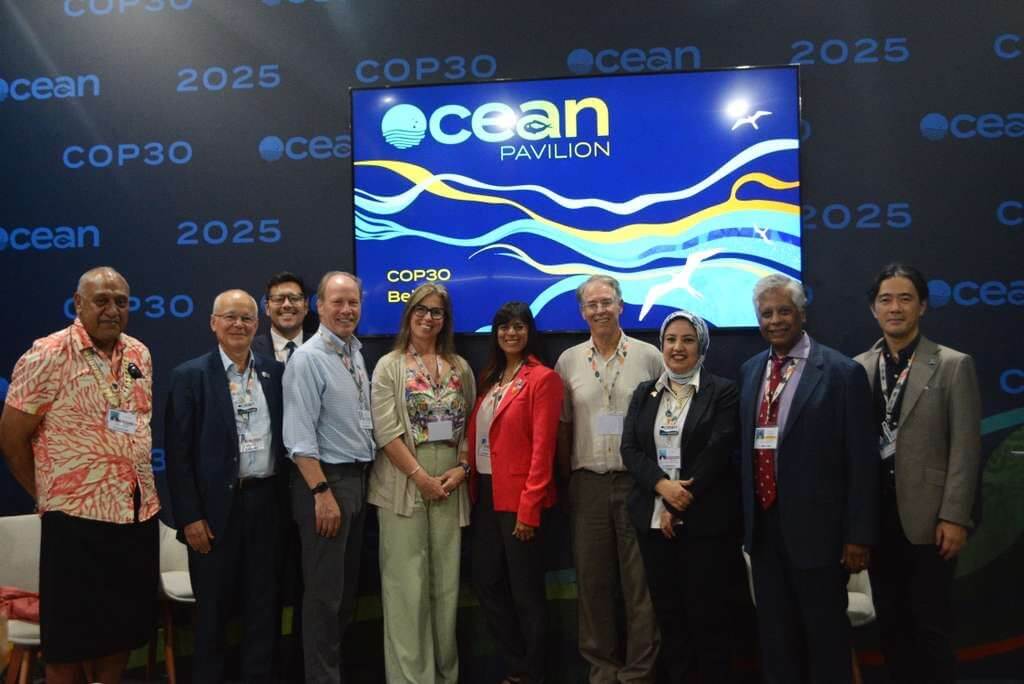
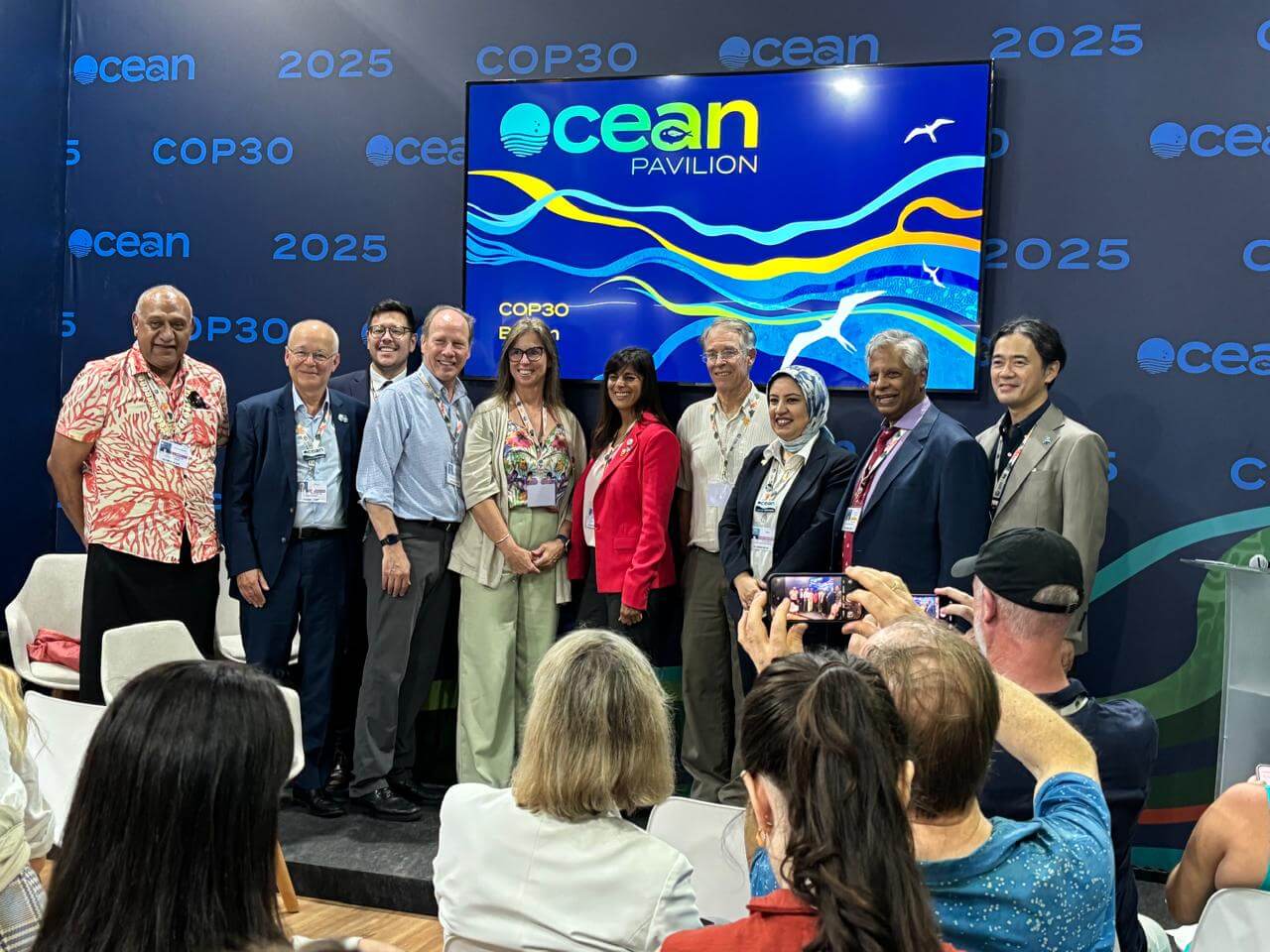
COP30 Belém Ocean Declaration
“The Ocean and Forests: Twin Pillars for a Sustainable Future”
MHMC participated in and signed the COP30 Belém Ocean Declaration.
During the Ocean Pavilion Opening Ceremony Run of Show,
Prof. Suzan Elgharabawy – Vice president of MHMC & NIOF gave an intervention on Accelerate nature-based ocean and coastal solutions and ensured that conservation efforts are integrated with climate mitigation, adaptation, and resilience goals.