Activities
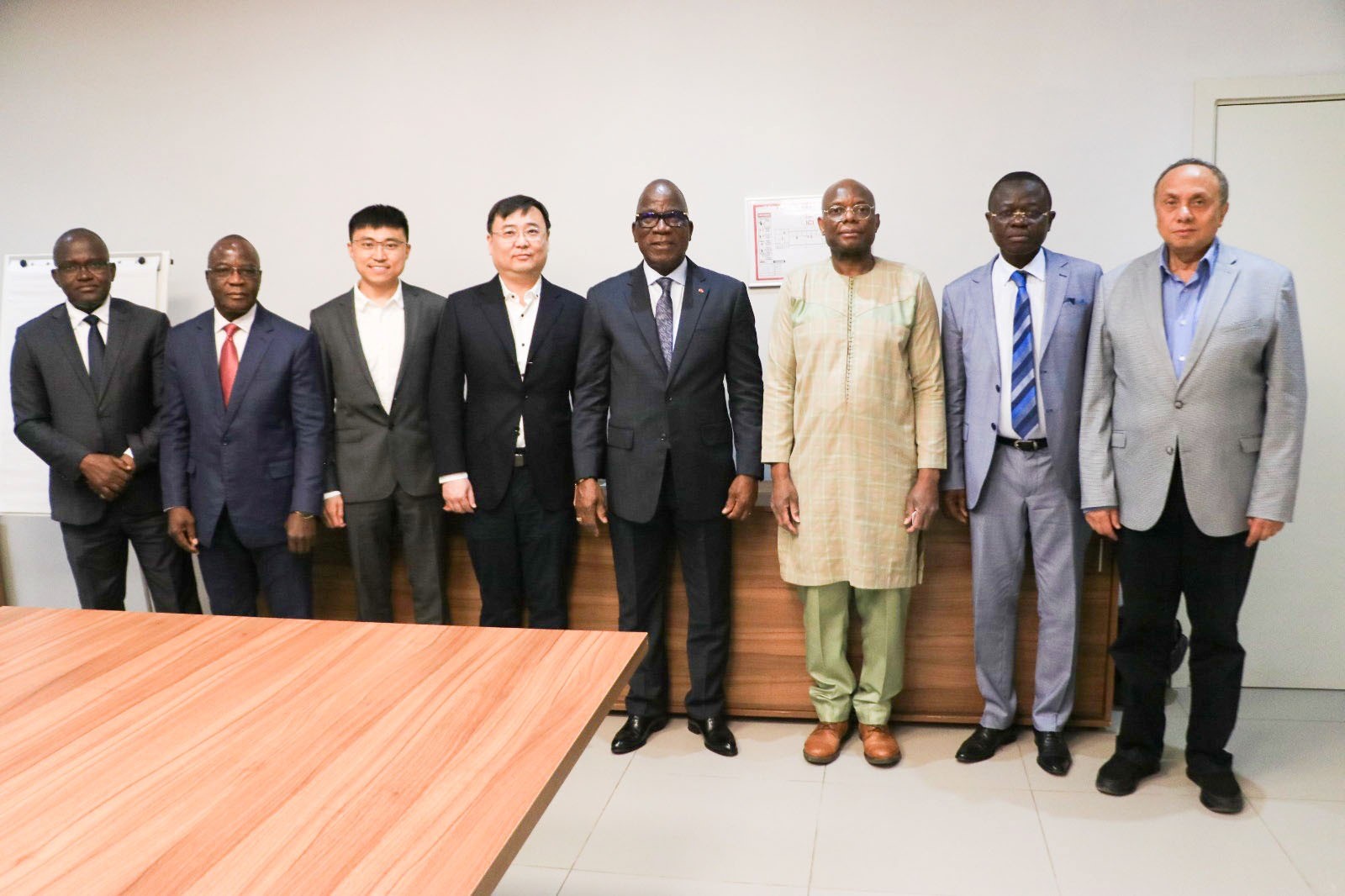
attended the GOOS-AFRICA Meeting in Abidjan, Côte d’Ivoire. The meeting brought together over 50 experts from around 20 countries, including 13 countries from Africa.
Towards an Enhanced International Partnership Network: OSF Experts Join GOOS-AFRICA Meeting
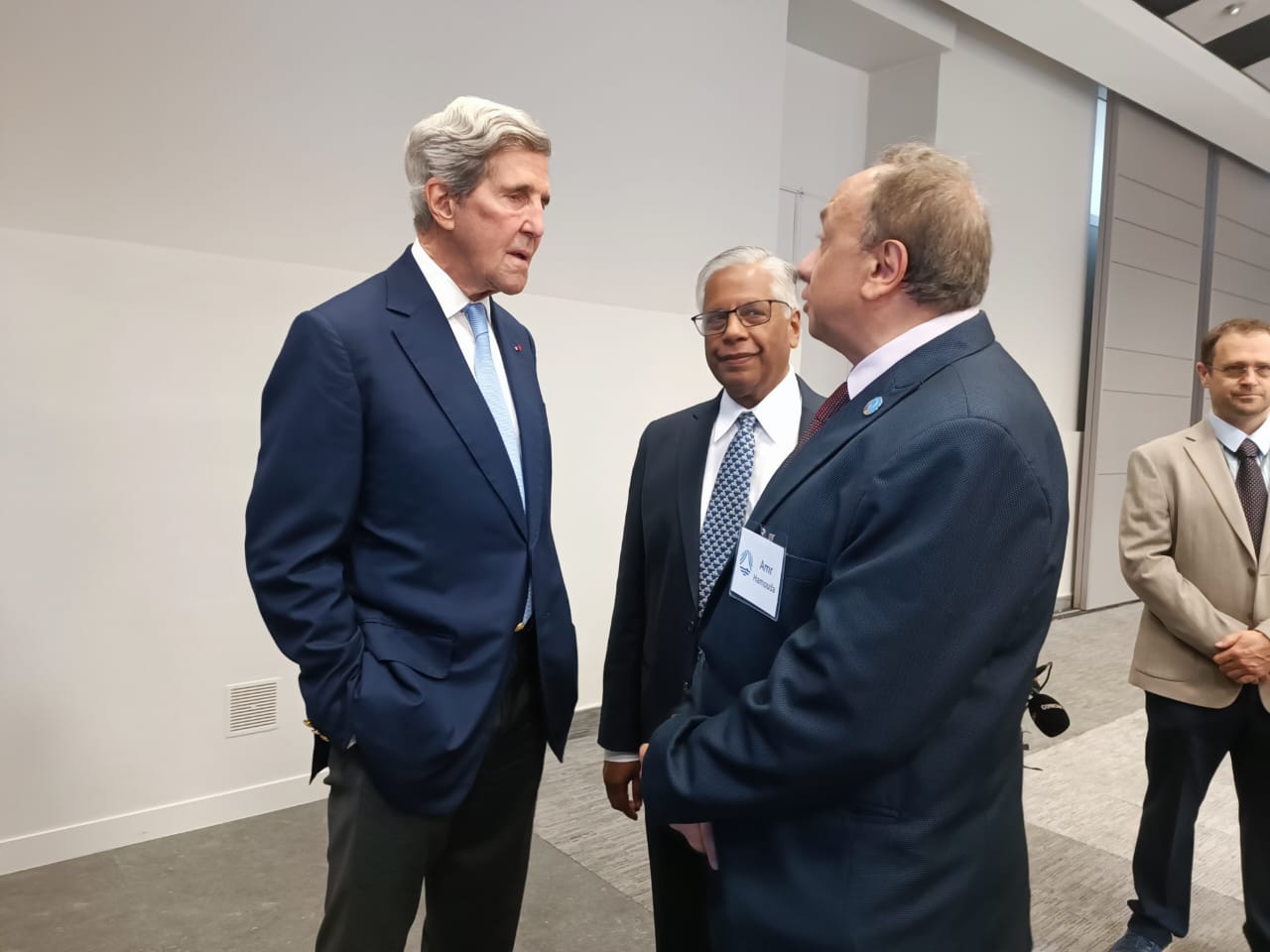
On May 13th-17th, 2024, invited by Prof. Kouadio Affian, Chair of GOOS-AFRICA, Prof. Jingsong Guo, expert of Ocean to climate Seamless Forecasting system (OSF) Programme, Prof. Amr Hamouda, Co-PI of OSFiA Project under OSF Programme and Dr. Shizhu Wang, Executive Director of OSF Office, attended the GOOS-AFRICA Meeting in Abidjan, Côte d’Ivoire. The meeting brought together over 50 experts from around 20 countries, including 13 countries from Africa.
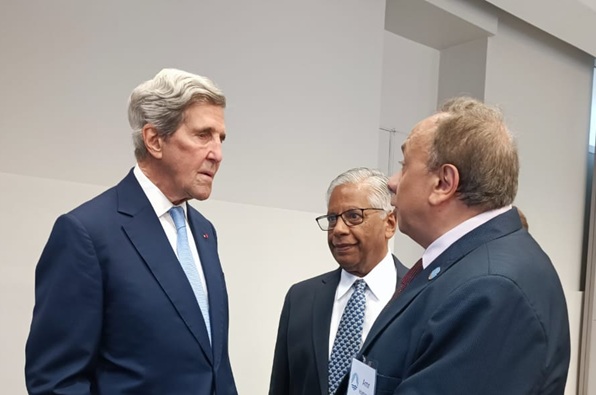
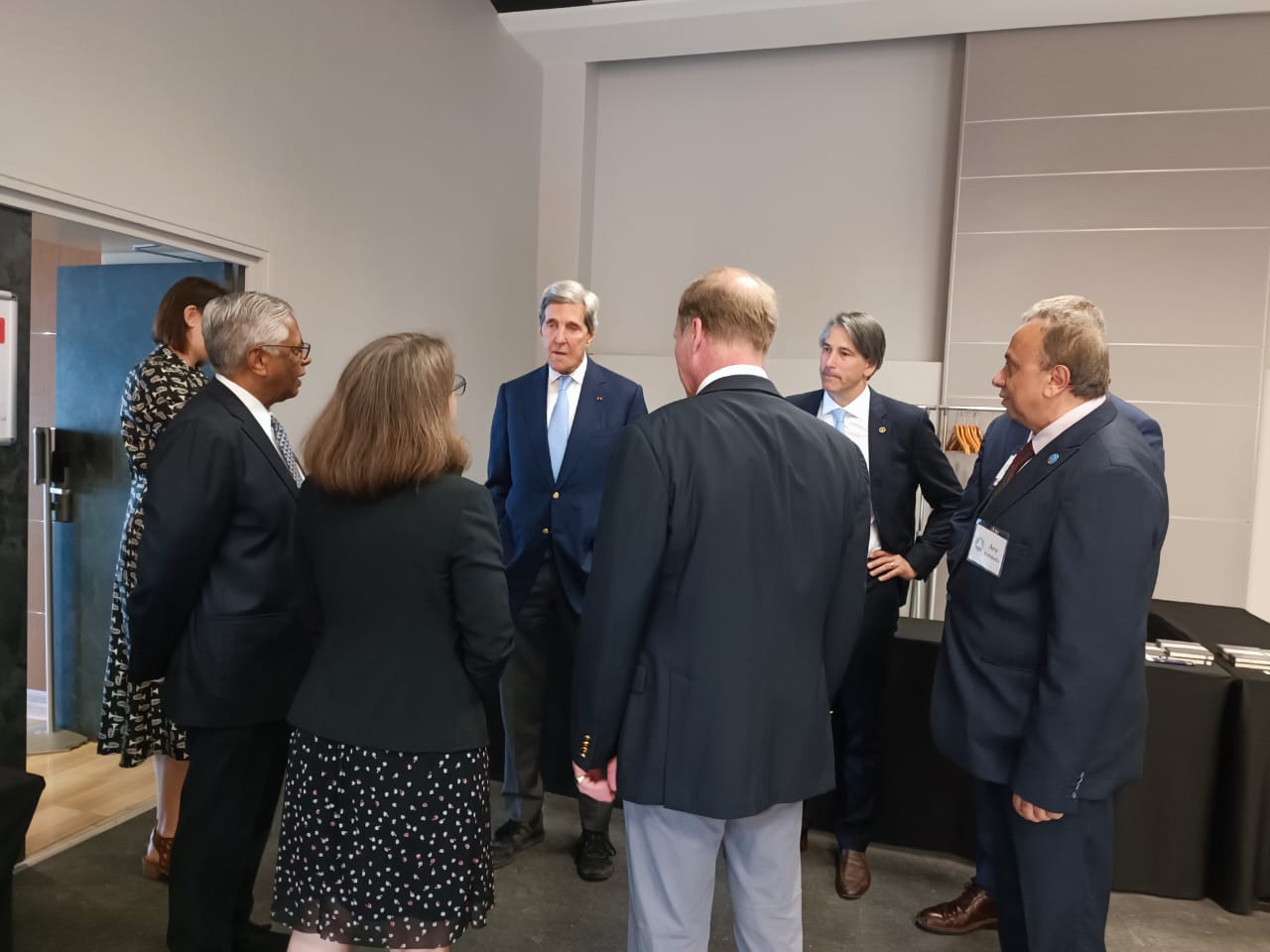
He explained that plastics do not easily decompose and can persist for many years, polluting waters and endangering fish and seabirds that may ingest them or become entangled in them. Therefore, he stressed the need for collective responsibility in reducing plastic use, promoting recycling, and preserving the cleanliness of our seas for a better future for our planet.
“Egypt Participates in Discussions on Addressing Challenges Impacting Marine Environments and Coastal Areas at France Conference”
Prof. Dr. Amr Hammouda, Head of the Marine Risk Reduction Center at the National Institute of Oceanography and Fisheries (NIOF), stated that the meeting concluded with key recommendations, highlighting that plastic pollution in the oceans is one of the greatest environmental challenges facing the world today. It represents an environmental crisis threatening marine life and ecosystems, as plastic waste accumulates massively in the waters, causing severe damage to both the environment and human health.
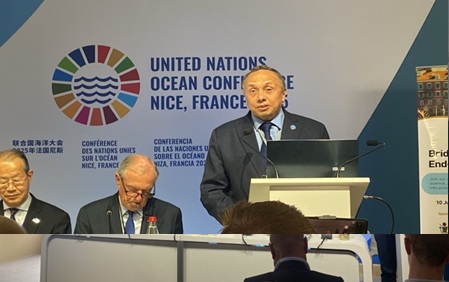
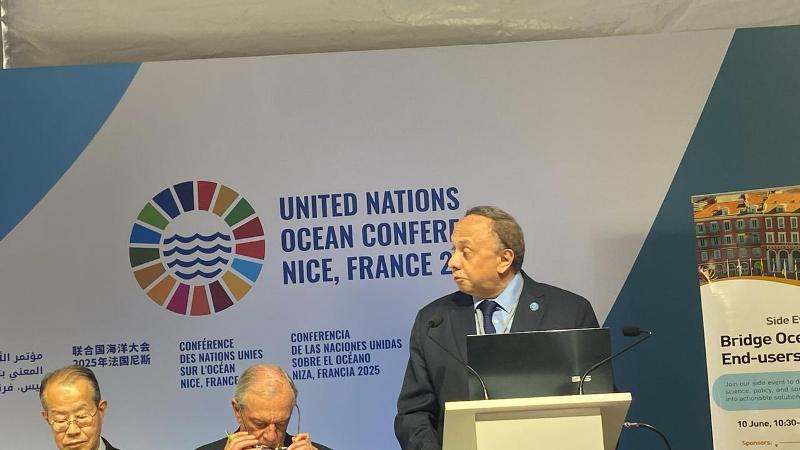
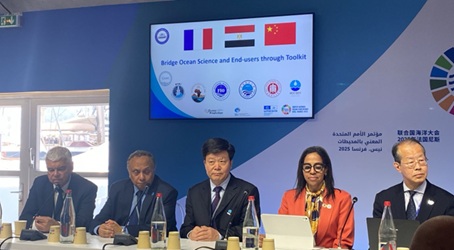
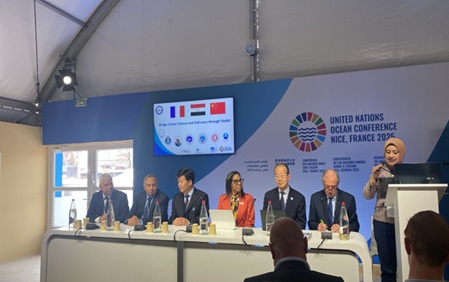
The event was attended by Dr. Leticia Carvalho, Executive Secretary of the International Seabed Authority (ISA); Dr. Yutaka, Chair of the IOC; the Vice Minister of Natural Resources of China; the President of the French Academy of Sciences; the President of Ocean University of China; and the President of the First Institute of Oceanography of China.During the event, it was agreed to initiate joint cooperation through the China–Africa Joint Research Center and the ISA–Africa Joint Training Center, both headquartered at NIOF, for the application of artificial intelligence systems in coastal and marine environmental protection programs
“Organizing the largest alliance for the use of artificial intelligence in measuring and analyzing marine data, on the first day of the United Nations Conference in the Blue Zone, held in Nice, France.”
Dr. Amr Zakaria Hammouda, Vice Chair of the UNESCO Intergovernmental Oceanographic Commission (IOC) and Chair of the Expert Committee on Marine Hazards and Tsunamis, stated that—based on the directives of H.E. Prof. Mohamed Ayman Ashour, Minister of Higher Education and Scientific Research, regarding international cooperation for technology transfer, and the guidance of Prof. Abeer Mounir, President of the National Institute of Oceanography and Fisheries (NIOF), in line with the Ministry’s strategy—the Institute organized a side event in the Blue Zone.
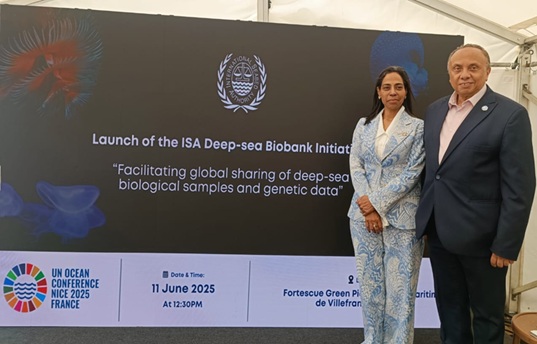
Launch of the UN Deep-Sea Biobank Program
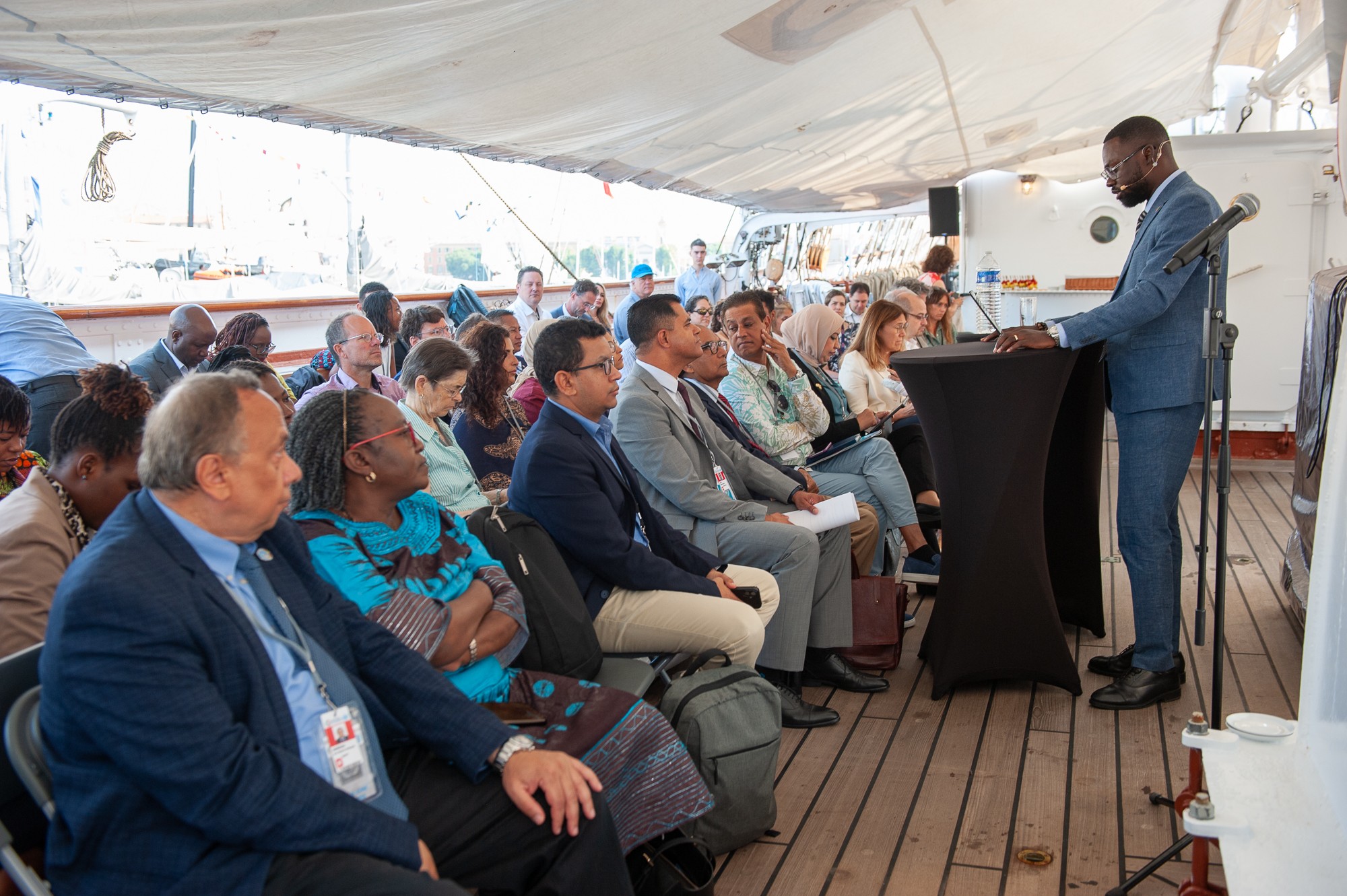
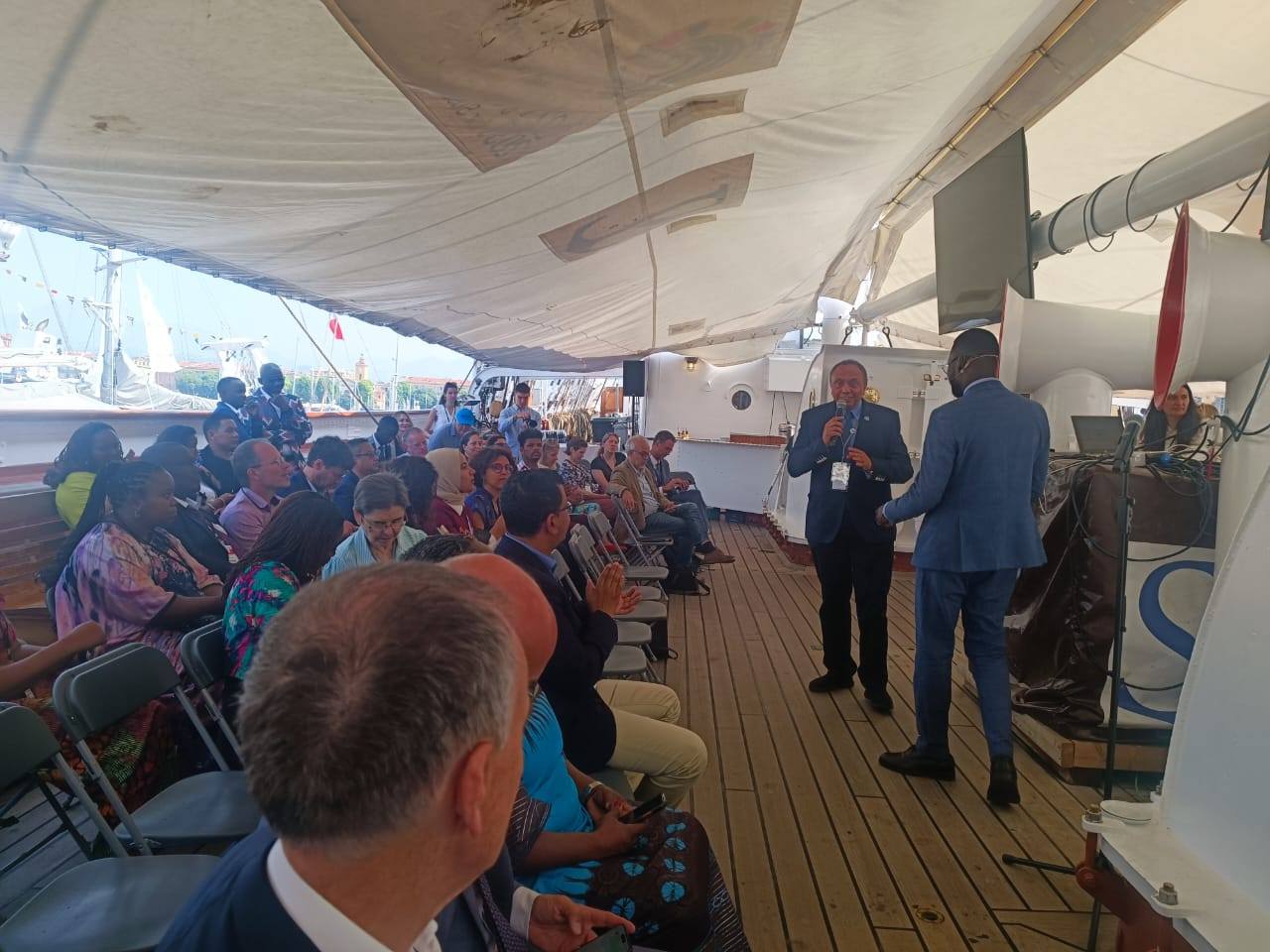
during the Ocean Conference in France, held in the Red Zone, aboard the research vessel Green Pioneer, with the participation of the National Institute of Oceanography and Fisheries (NIOF) in collaboration with the International Seabed Authority (ISA) of the United Nations.
Launch of the UN Deep-Sea Biobank Program during the Ocean Conference in France, held in the Red Zone, aboard the research vessel Green Pioneer, with the participation of the National Institute of Oceanography and Fisheries (NIOF) in collaboration with the International Seabed Authority (ISA) of the United Nations.
As
H.E. Mr. Gilles Fabrice David, Junior Minister for Agro-Industry, Food Security, Blue Economy, and Fisheries, Mauritius
Mr. Vidar Helgesen, Executive Secretary of IOC/UNESCO
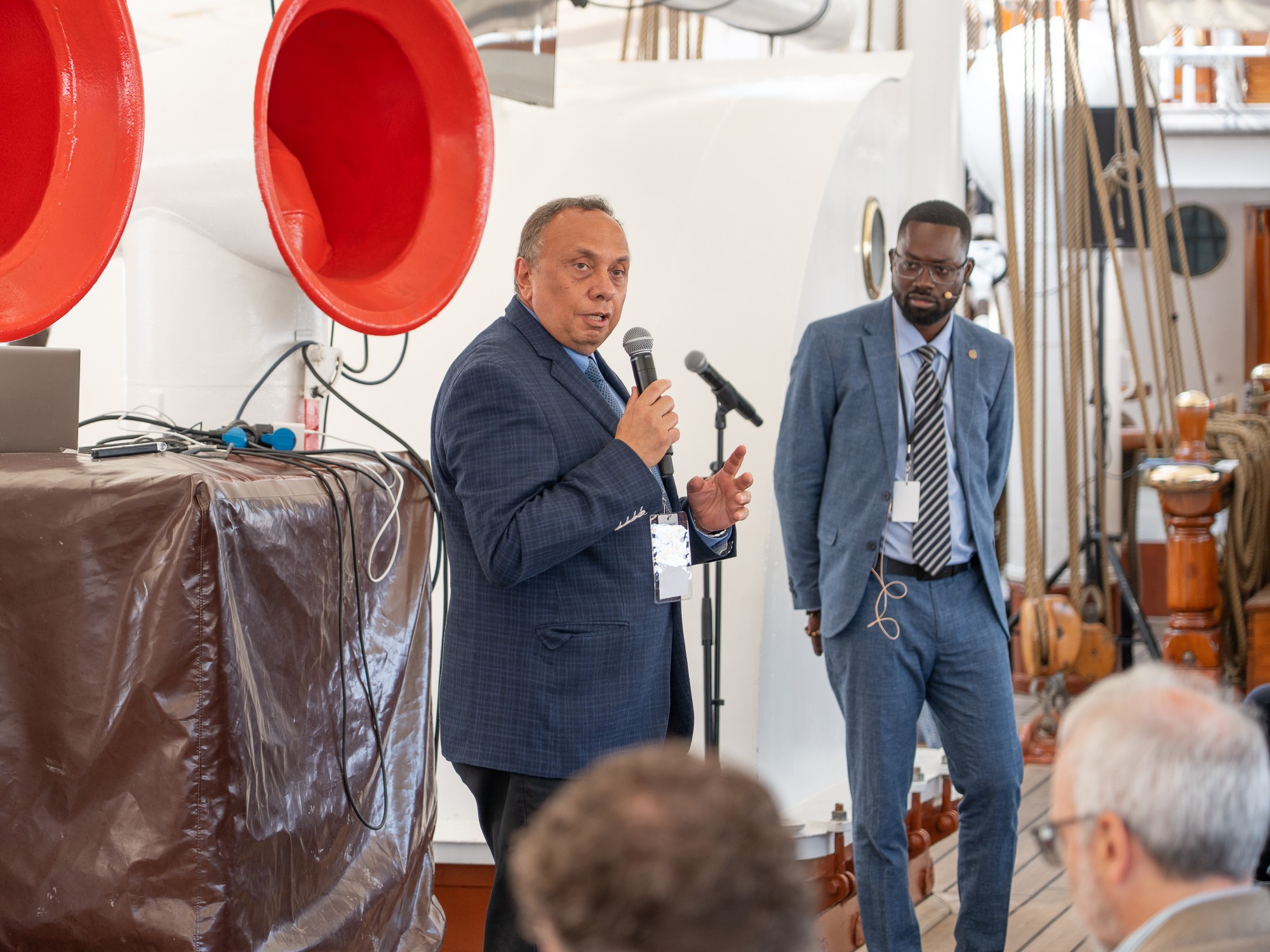
Prof. Amr Hamouda, Vice Chairperson of IOC/UNESCO (Group V)
Panelists:
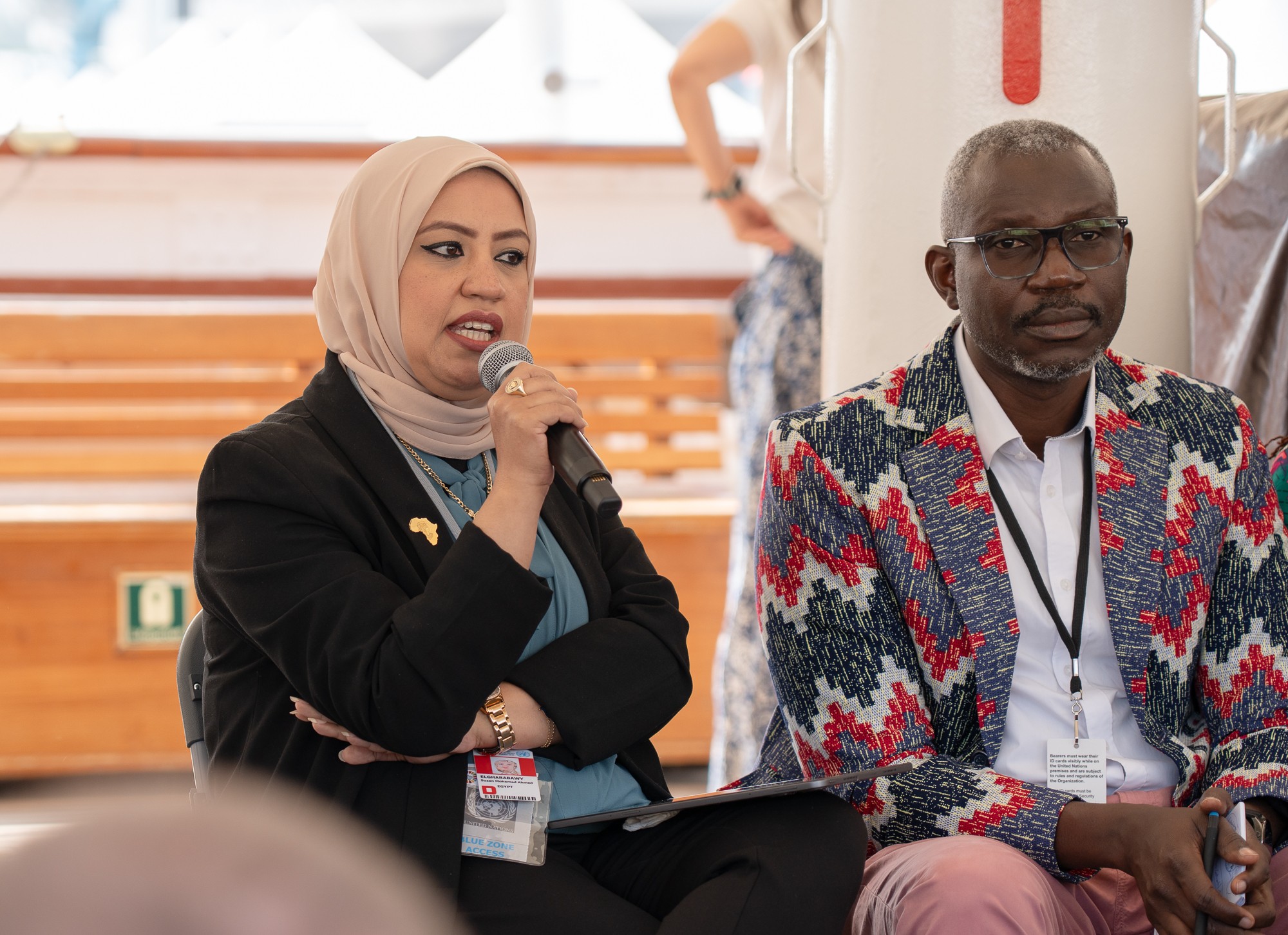
Prof. Suzan Elgharabawy (Vice President, National Institute of Oceanography and fisheries of Egypt)
Dr. Arthur Tuda (Executive Secretary, Western Indian Ocean Marine Science Association)
Dr. Edem Mahu (Senior Lecturer, Department of Marine and Fisheries Sciences, University of Ghana)
Herland CERVEAUX (Managing Director, OceanHub Africa)
Dr. Nassim Oulmane (Ag. Director of the Technology, Climate Change and Natural Resource Management Division, United Nations Economic Commission)
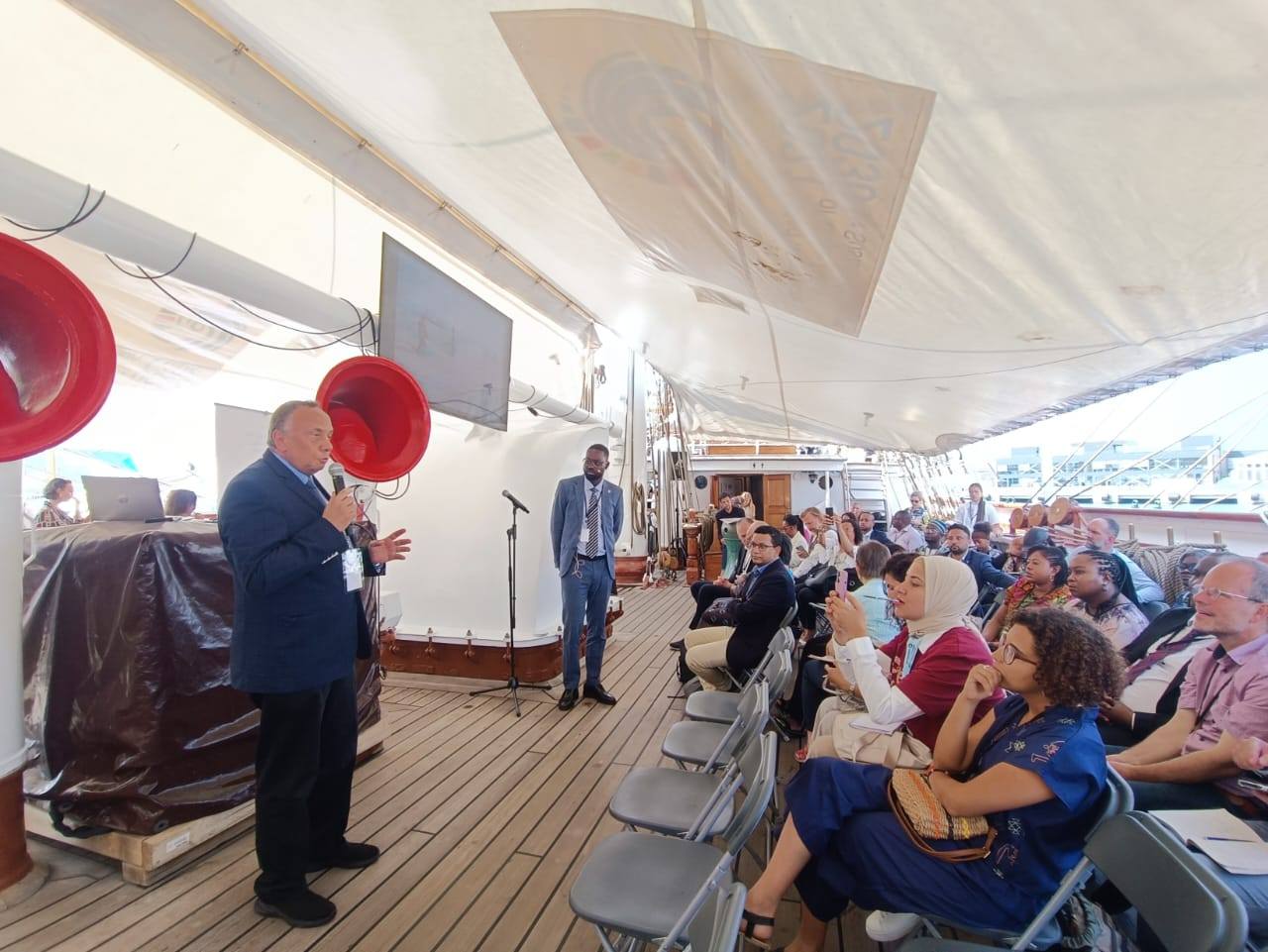
Side Event at the 2025 UN Ocean Conference, Nice, France (Red Zone)
Title: The Future of Blue Economy in Africa
Location: Aboard the Statsraad Lehmkuhl, Nice, France
This side event responds to this urgent need. It will serve as a platform for African leaders, scientists, and development partners to explore how science, policy, and investment can be better aligned to unlock Africa’s blue economy potential. It will showcase practical innovations, institutional models, and financing approaches that can help bridge implementation gaps and accelerate the transition to inclusive, sustainable ocean-based development.
Speakers:
H.E. Patricia Portela de Souza, UN Resident Coordinator for Cabo Verde
H.E. Ambassador Moses Vilakati, Commissioner for Rural Development, Blue Economy, and Sustainable Environment (ARBE), African Union Commission
Dr. Khallahi Brahim (Permanent Secretary, Sub-Regional Fisheries Commission)
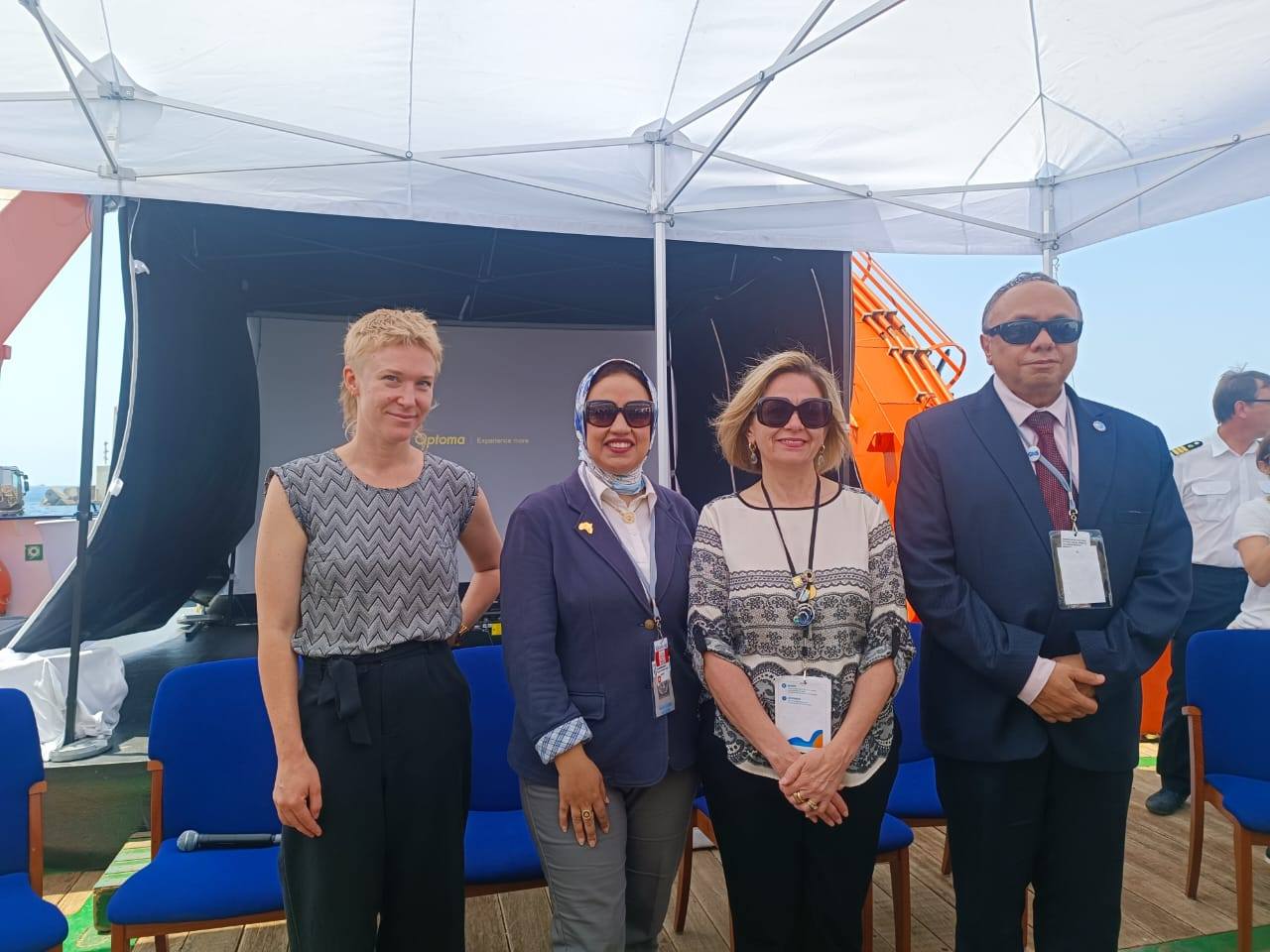
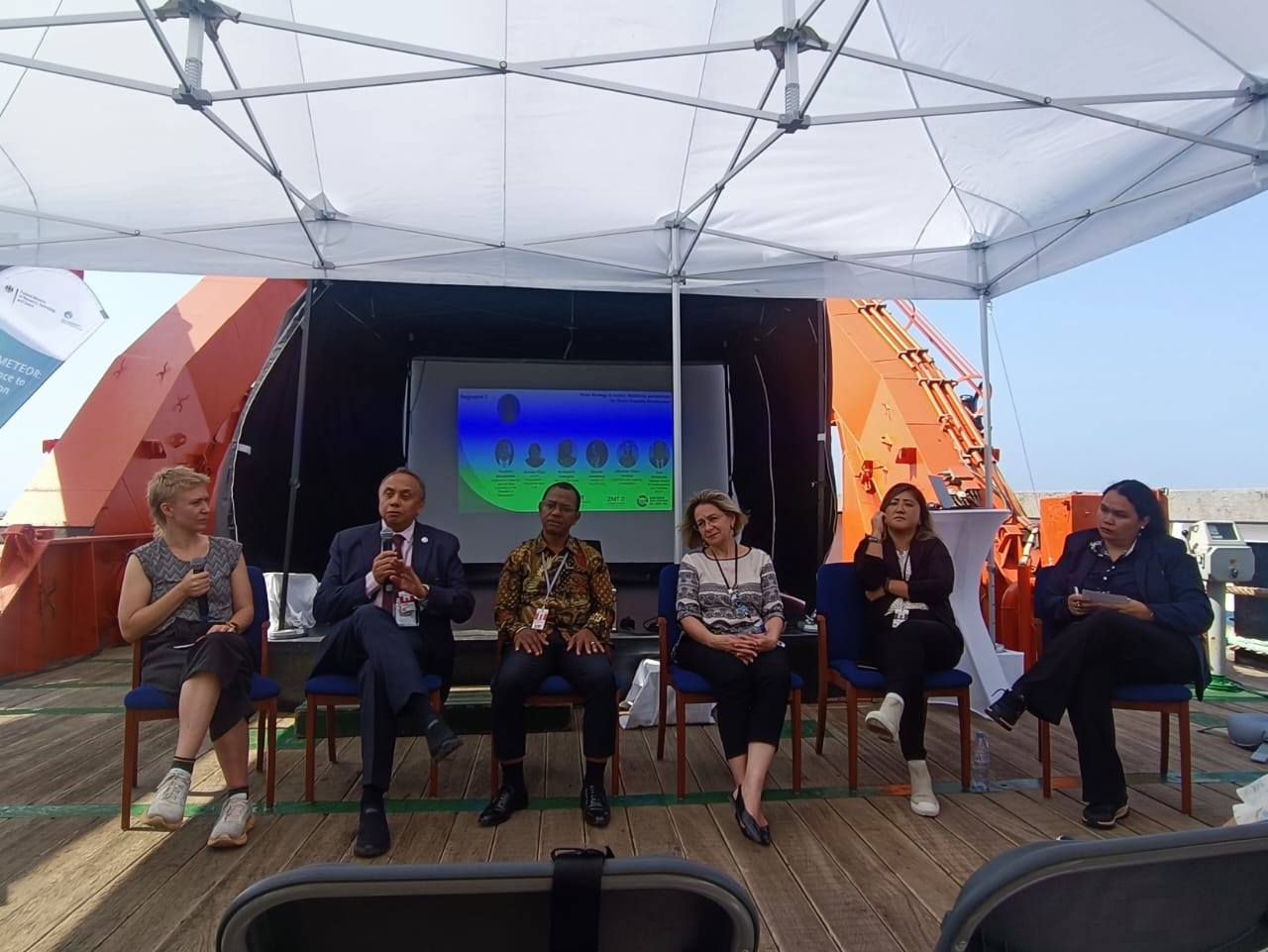
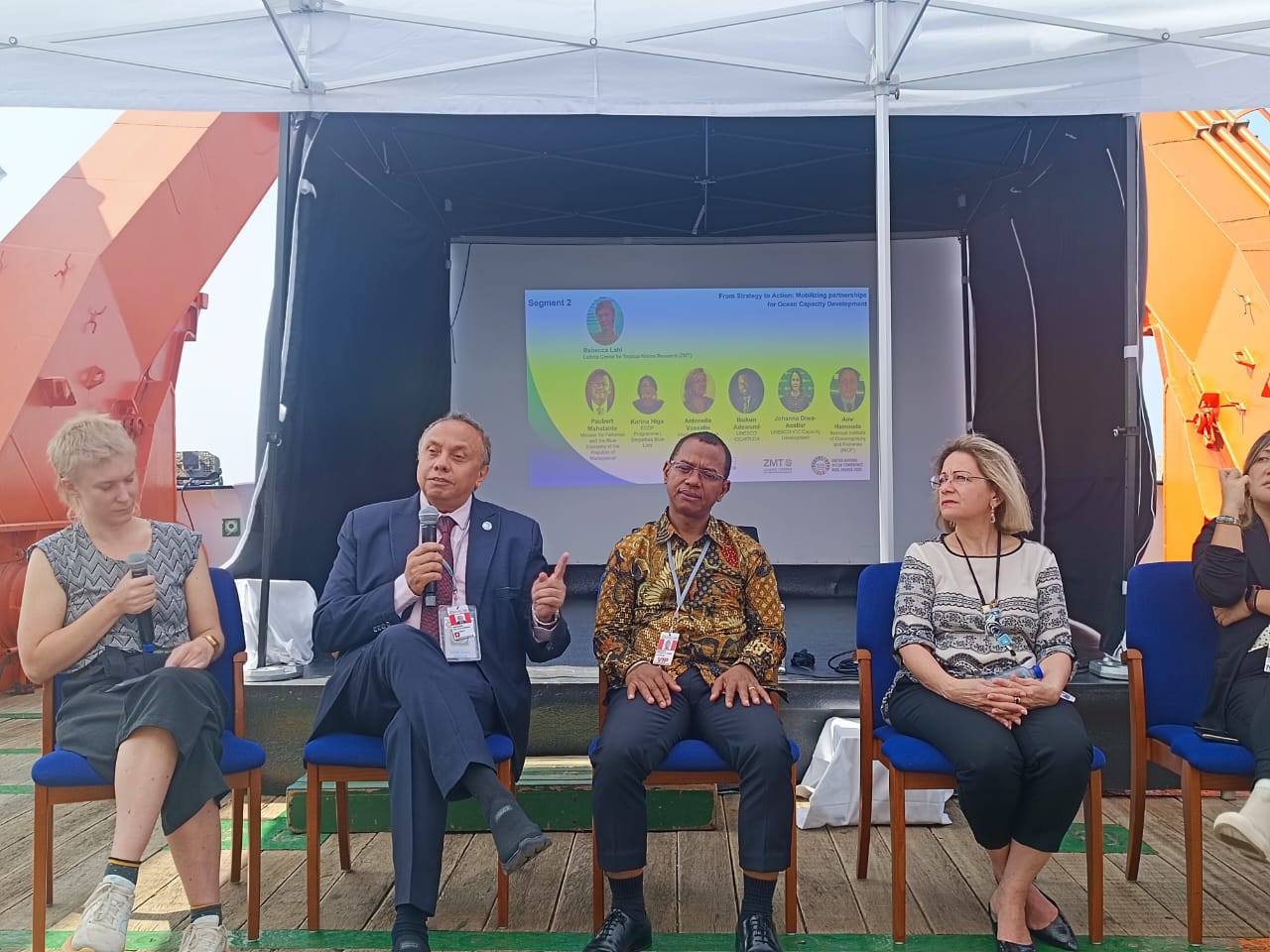
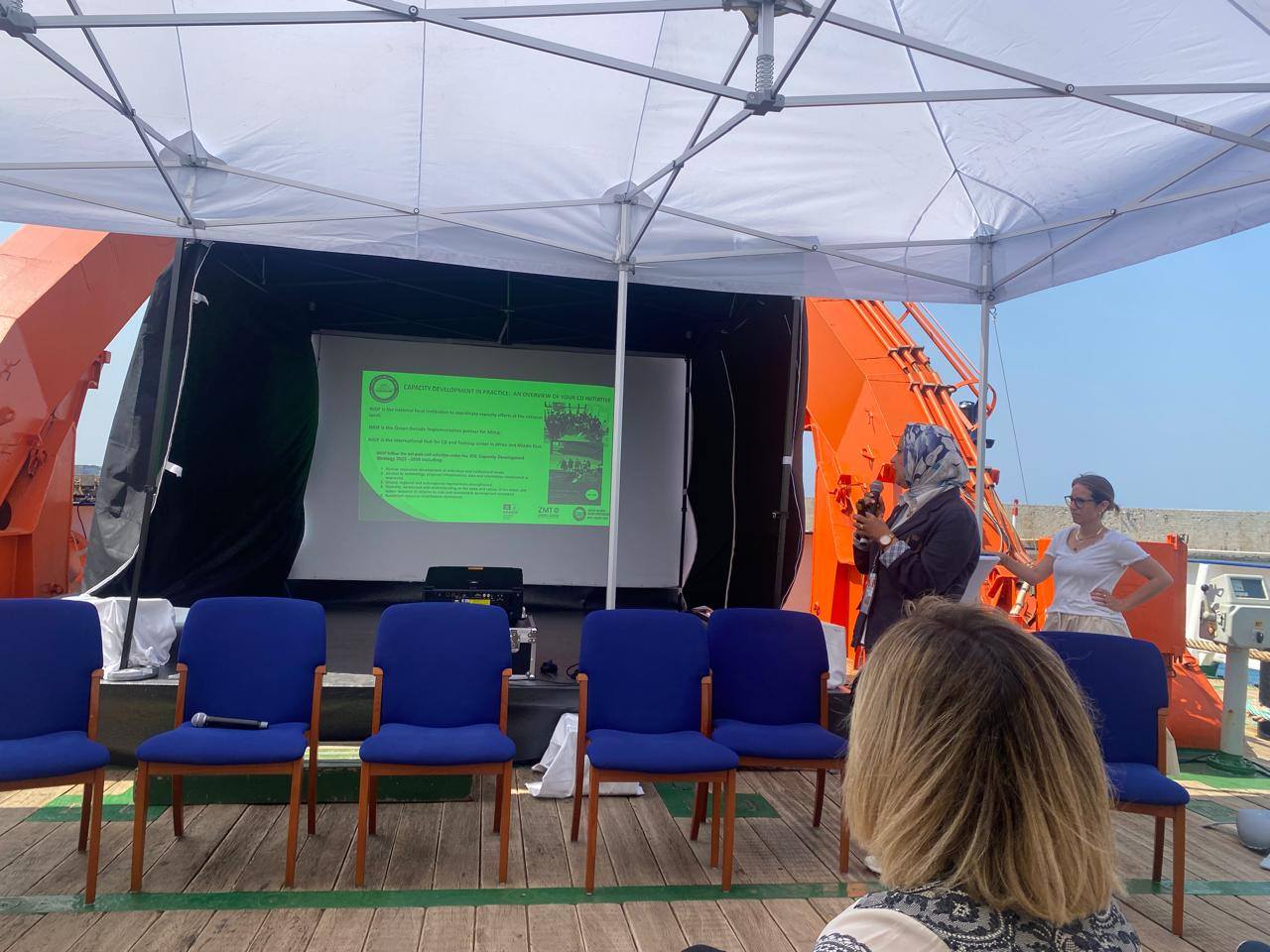
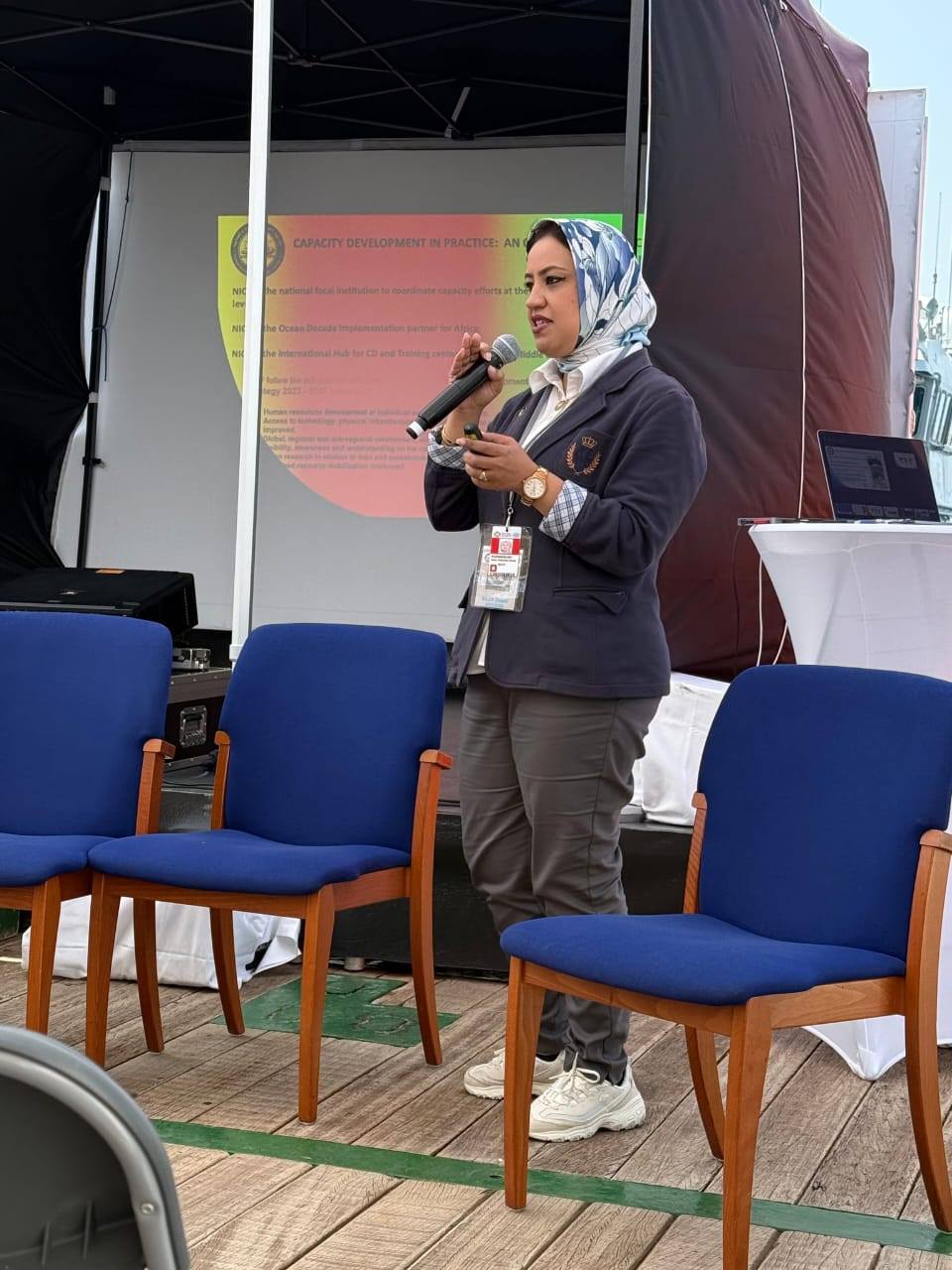
The discussions focus on: (1) the critical global and regional needs on ocean science capacity development; (2) ways on how progress is being assessed and approached by various initiatives; and (3) recent efforts of existing and potential partners such as other UN agencies, intergovernmental institutions, and international initiatives leading capacity development in marine and maritime space, in a call to a jointly coordinated to share and commit to supporting global collaboration in ocean science capacity development.
Presentation:
Empowering Africa: Egypt’s Regional Centers for Sustainable Capacity Building.
Prof. Suzan Elgharabawy – Vice president of NIOF & Chair of Capacity Development IOC UNESCO
Mobilizing Partnerships for Ocean Capacity Development
Upper deck, RV Meteor, Red Zone, UNOC, Nice, France
The event builds on UNESCO IOC Capacity Development cross-cutting initiatives, led by its Global Programmes and Regional Subsidiary Bodies, and implemented by integrated action with the ocean community. In light of the work of the IOC Group of Experts on Capacity Development in developing an implementation plan for the IOC Capacity Development Strategy.
Panelists:
Prof. Amr Hamouda – Vice /chairperson of IOC UNESCO
Dr. Paubert Mahatante – Minister of Fisheries and Blue Economy of the Republic of Madgascar
Dr. Antonella Vassallo – Director of International Ocean Institute (IOI)
Dr. Johanna Diwa Acallar – UNESCO-IOC Capacity Development section
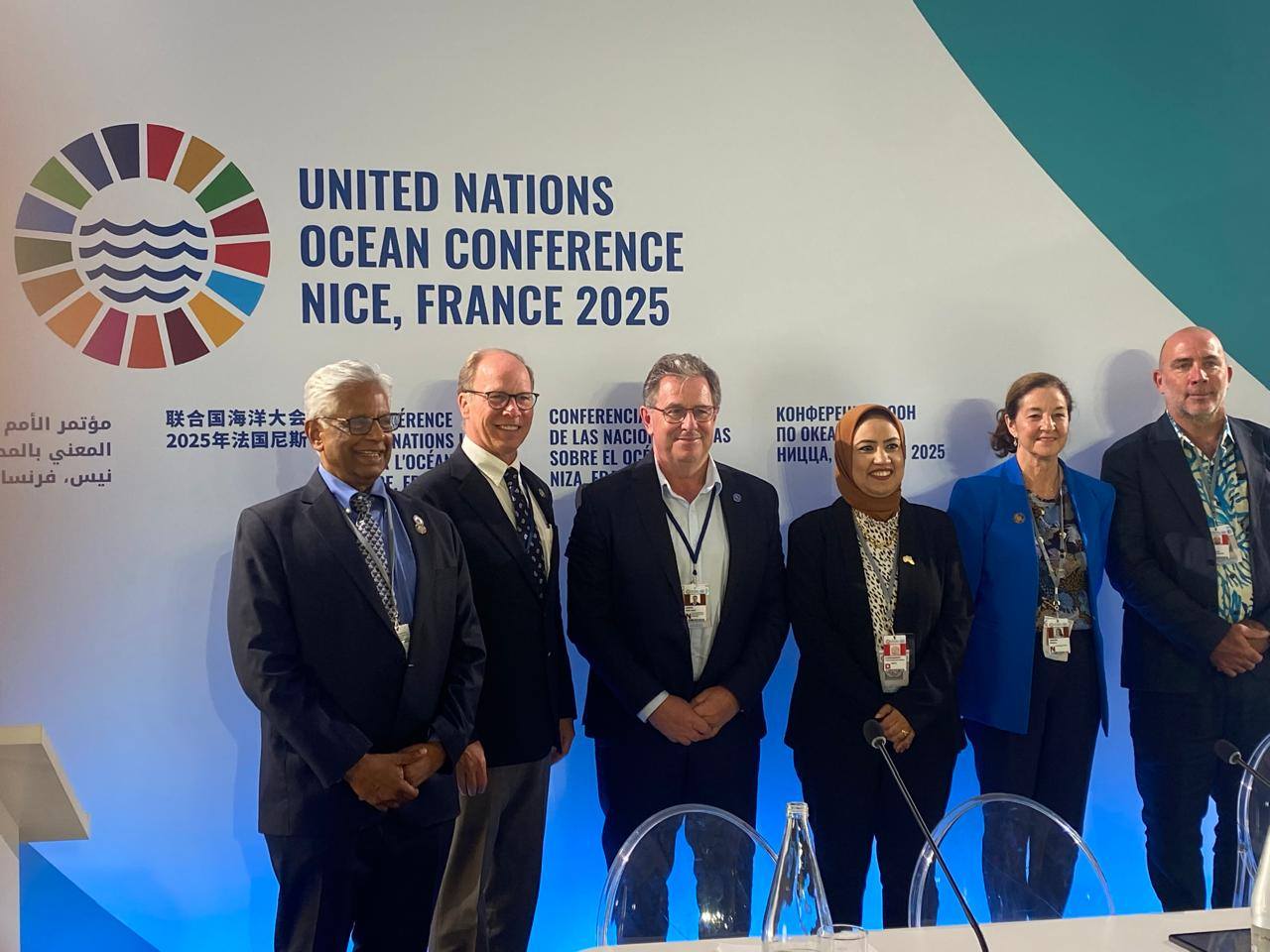
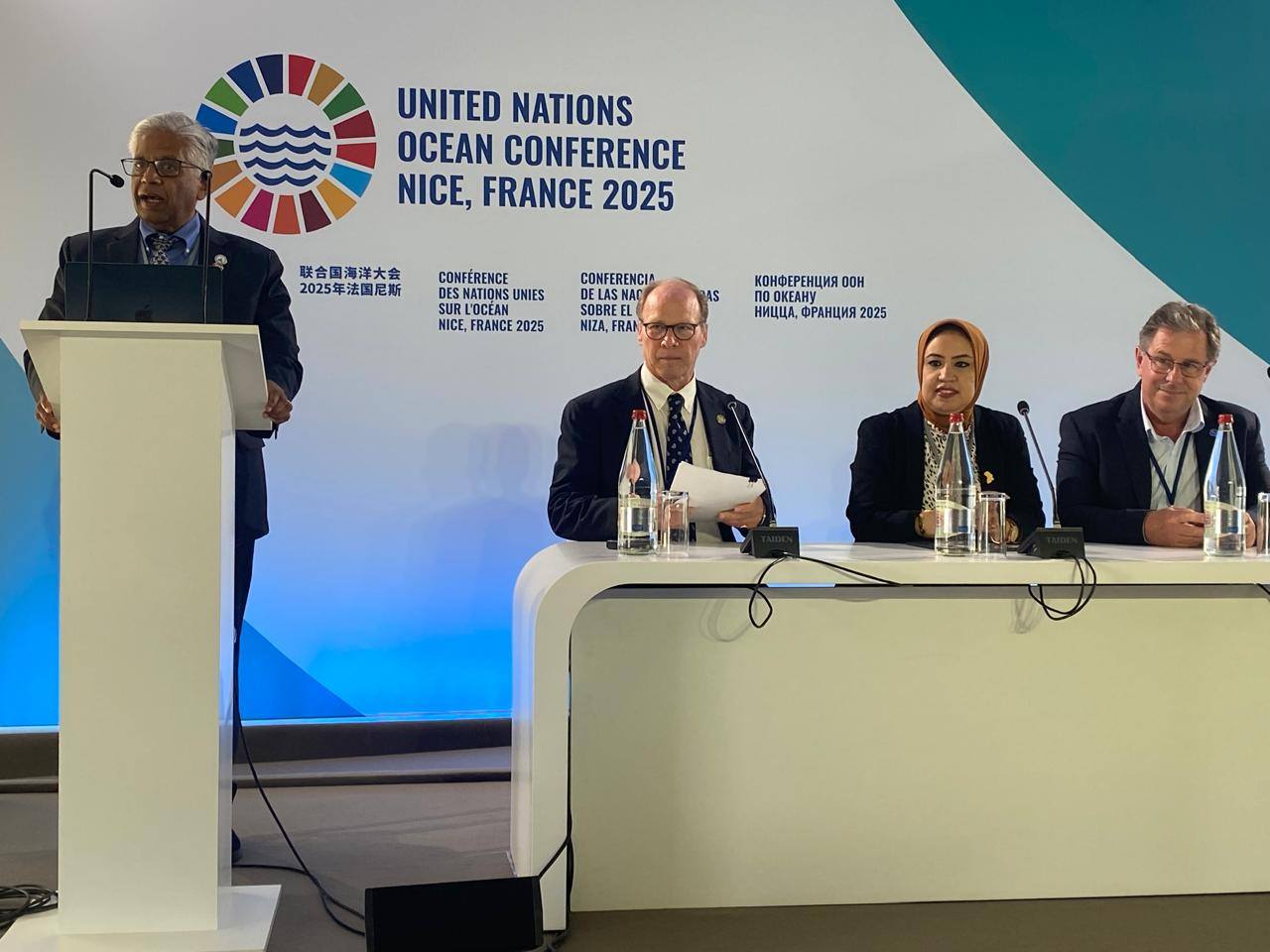
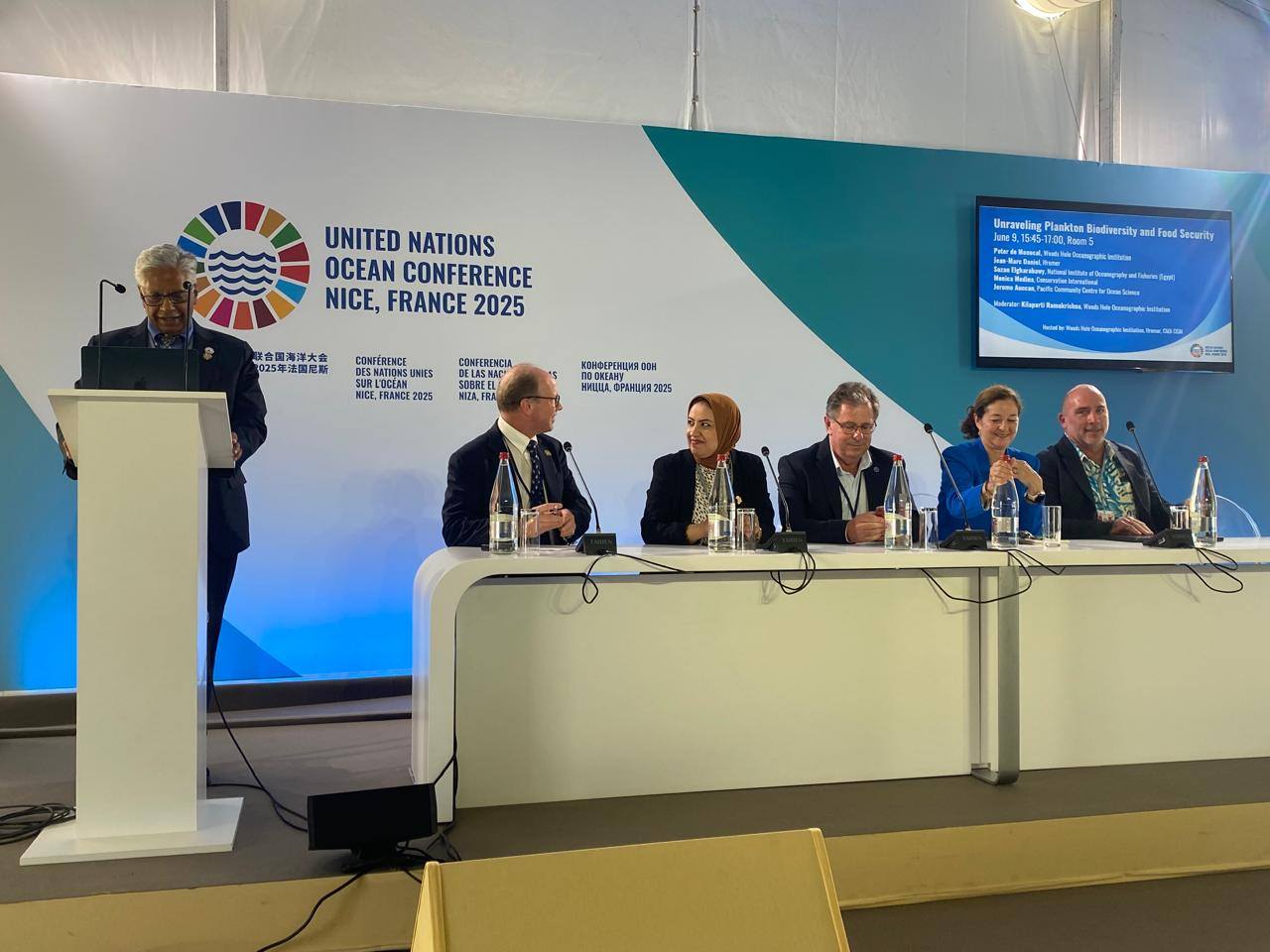
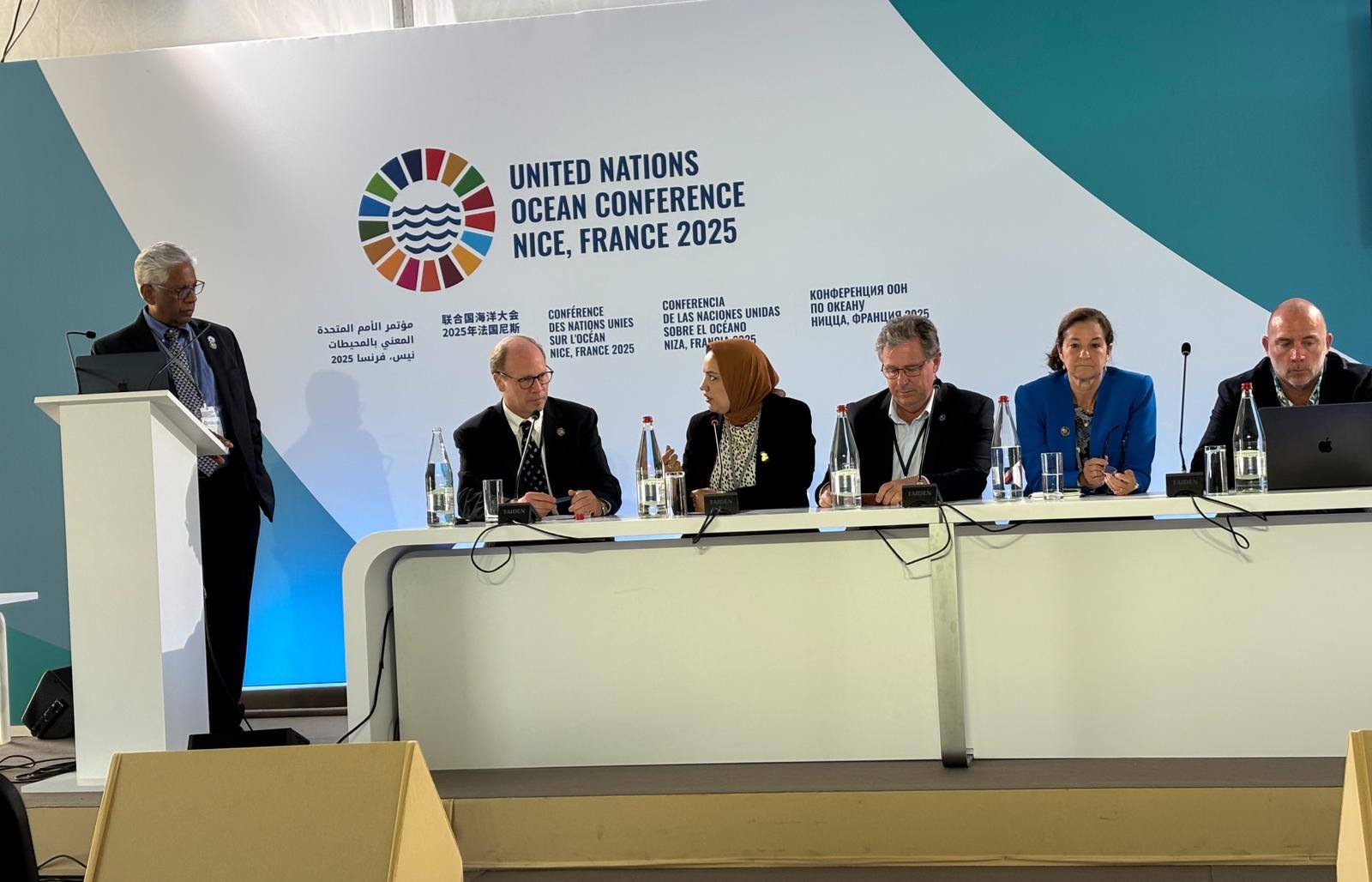
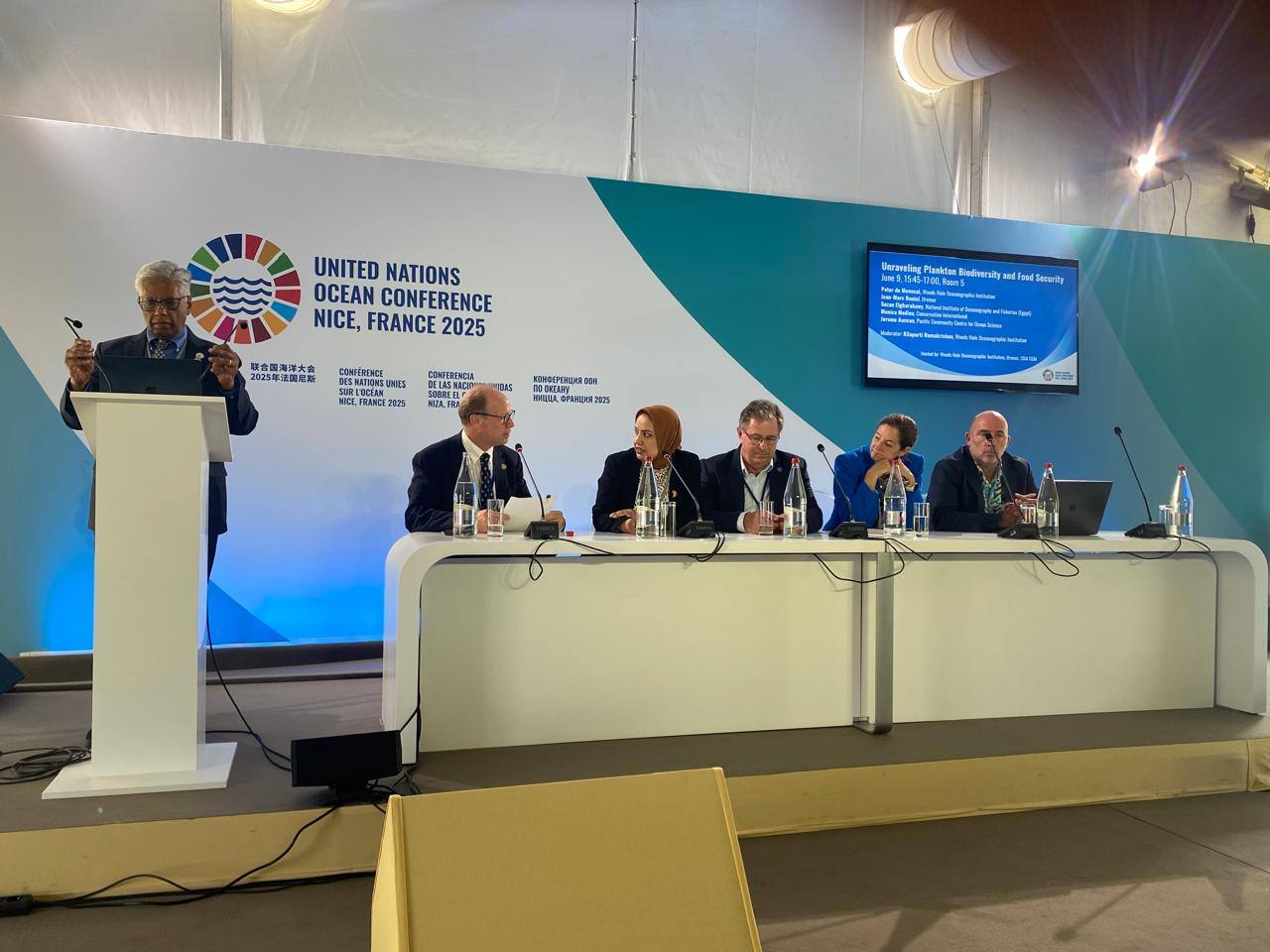
Desired outcomes: Call for a Global Plankton Observation Initiative; Invest in new measurement technologies; Promote public-private partnerships; and embed biodiversity indicators in food security planning; and strengthen capacity in developing countries.
Moderator: Kilaparti Ramakrishna, Director, Marine Policy Center, WHOI
Panelists:
Peter de Menocal, President & Director, WHOI
Suzan Elgharabawy, Vice President, National Institute of Oceanography and Fisheries (Egypt)- GOOS Steering committee IOC – UNESCO
Francoise Houllier, President and CEO of Ifremer/Jean-Marc Daniel, Deputy Managing Director, Ifremer
Monica Medina, Arnhold Distinguished Fellow, Conservation International
Jerome Auccan, Head, Pacific Community Centre for Ocean Science
Unraveling Plankton Biodiversity and Food Security
Blue Zone, UNOC, Nice, France.
Scientists are developing new measurement techniques to study plankton biodiversity in patchy, unpredictable blooms using ship-based sampling of ocean physics chemistry, and biology to better understand marine food webs which is central to coordinated progress of all SDGs.
Goal of session: Highlight the critical role of plankton in marine ecosystems and food webs; Emphasize the role of multi-sector partnerships (science, UN agencies, industry) in developing new tools. Link advances in plankton biodiversity observation to progress on SDG 2 (Zero Hunger), SDG 14 (Life Below Water), SDG 13 (Climate Action) and cross-cutting goals (SDGs 16 and 17).
one of the twelve national research institutions affiliated to the Ministry of State for Scientific Research of Egypt.
https://pml.ac.uk/news/pml-and-the-national-institute-of-oceanography-and
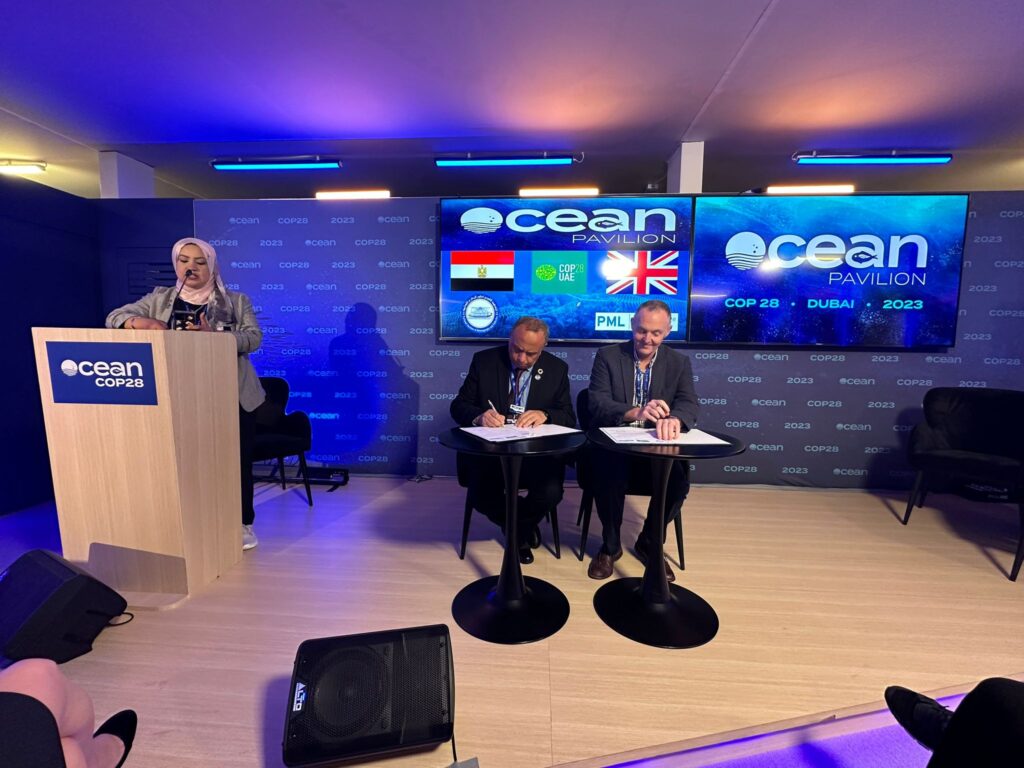
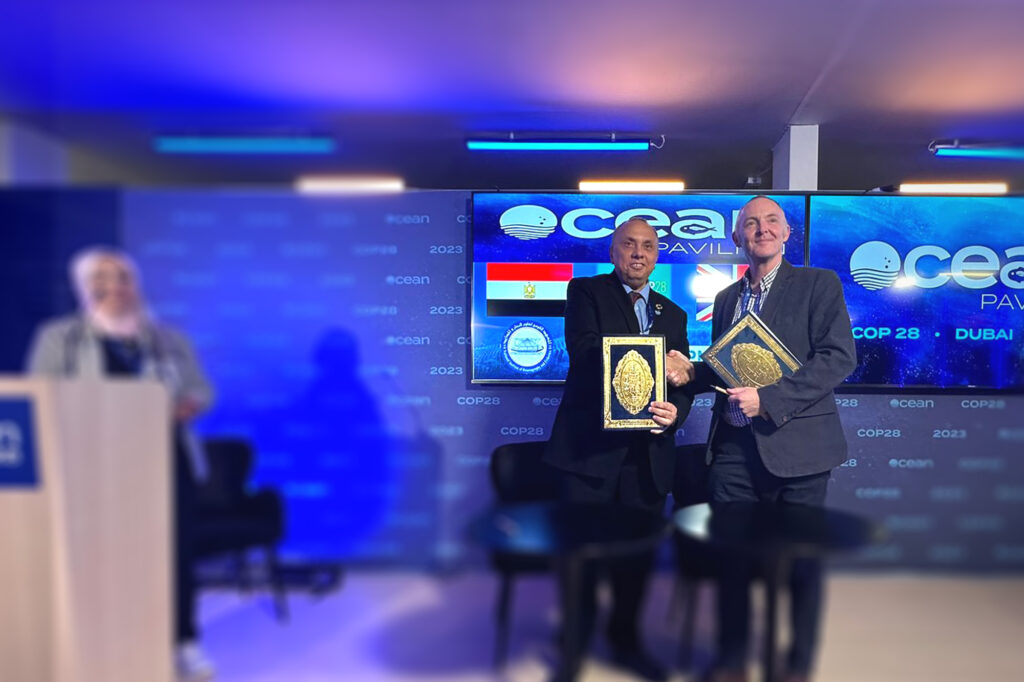
PML and the National Institute of Oceanography and Fisheries commit to international cooperation
Today at the UN Climate Change meeting COP28, in the ‘Rising Seas: Coastal Strategies and Solutions’ side event, PML signed a letter of intent with the National Institute of Oceanography &Fisheries (NIOF),
-
Image processed by CodeCarvings Piczard ### FREE Community Edition ### on 2024-02-10 18:55:12Z | |
This is the first time that an expert from an African or Arab country has held this position, which builds on the efforts and activities of Dr. Amr Zakaria Hamouda during his involvement in developing tsunami early warning and risk reduction programs in the Mediterranean Sea and the North Atlantic.
Dr. Amr Zakaria appointed Vice-Chair of UNESCO’s International Commission on Tsunamis
The National Institute of Marine Sciences (NIMS) has announced that Dr. Amr Zakaria Hamouda, President of the National Institute of Oceanography and Fisheries (NIOF), has been appointed Vice President of the United Nations Educational, Scientific and Cultural Organization (UNESCO) International Commission on Tsunami Early Warning.
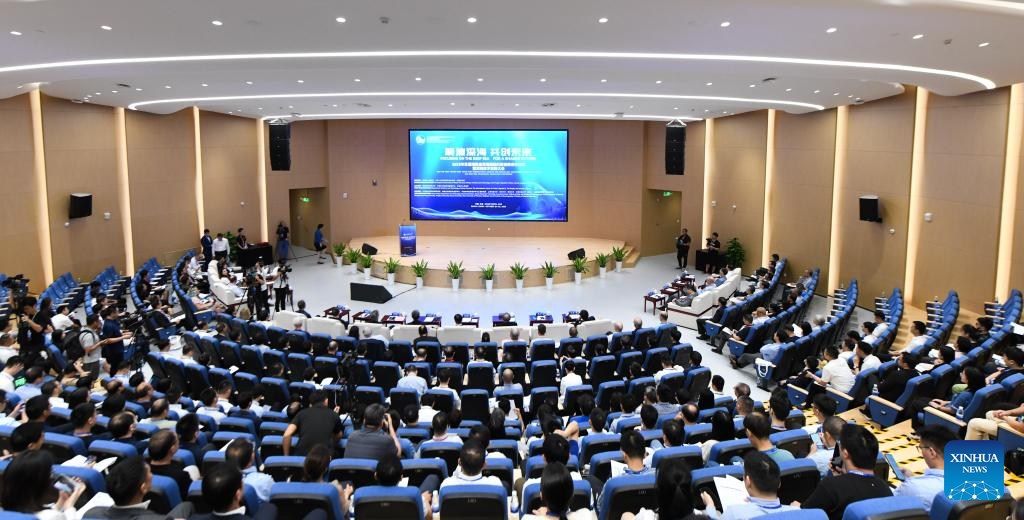
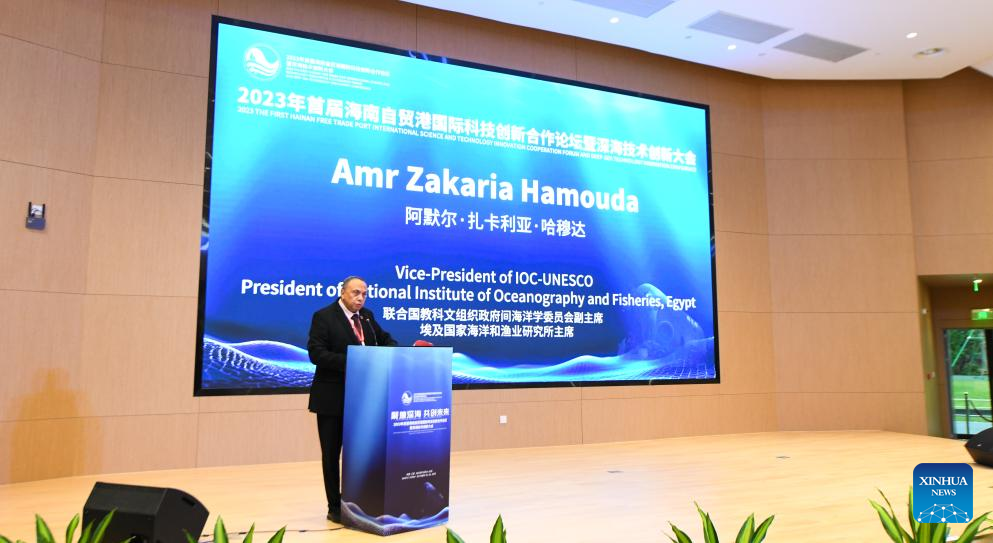
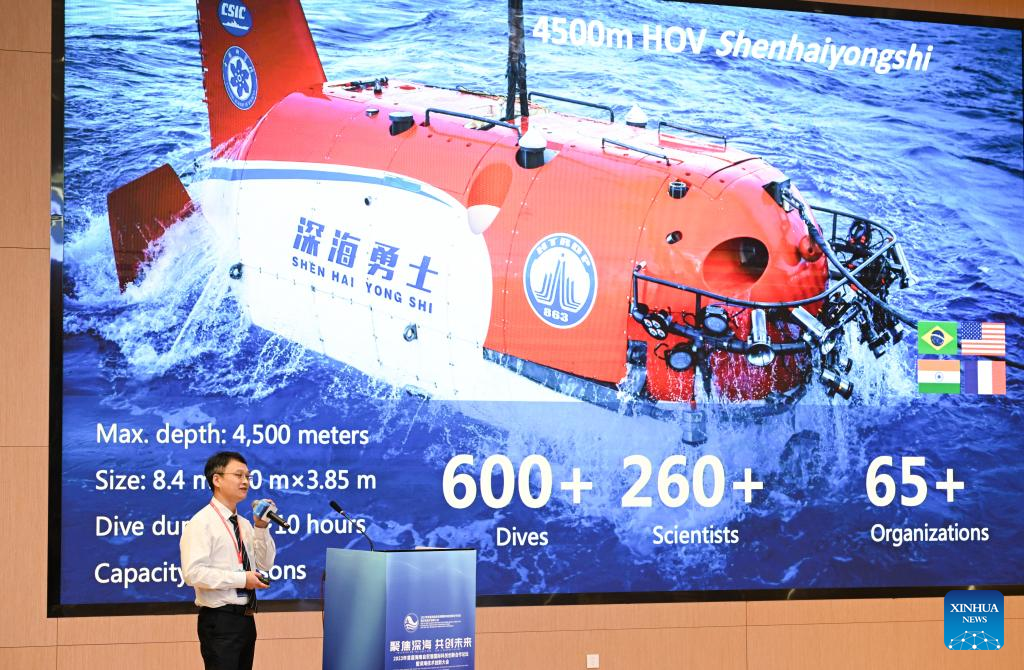
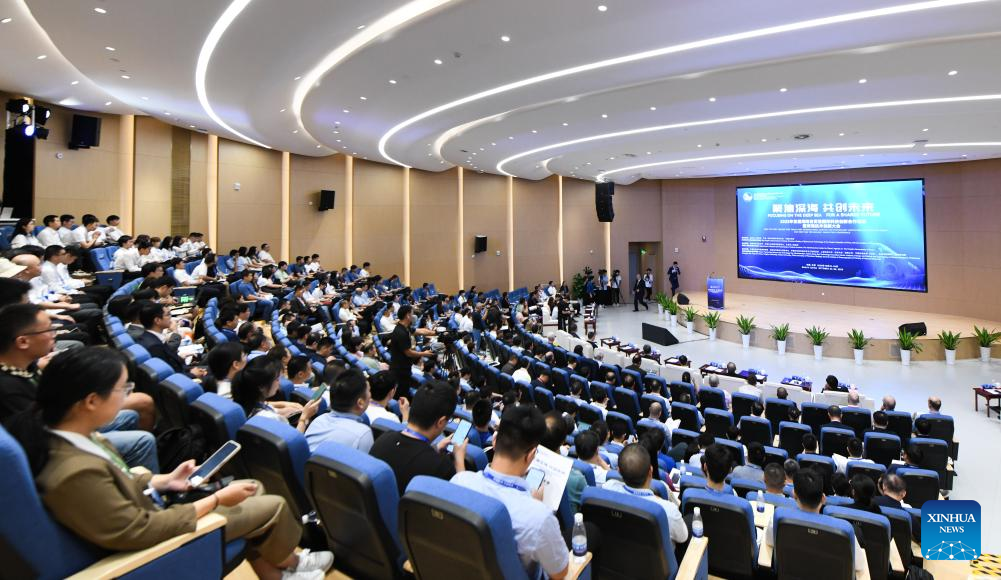
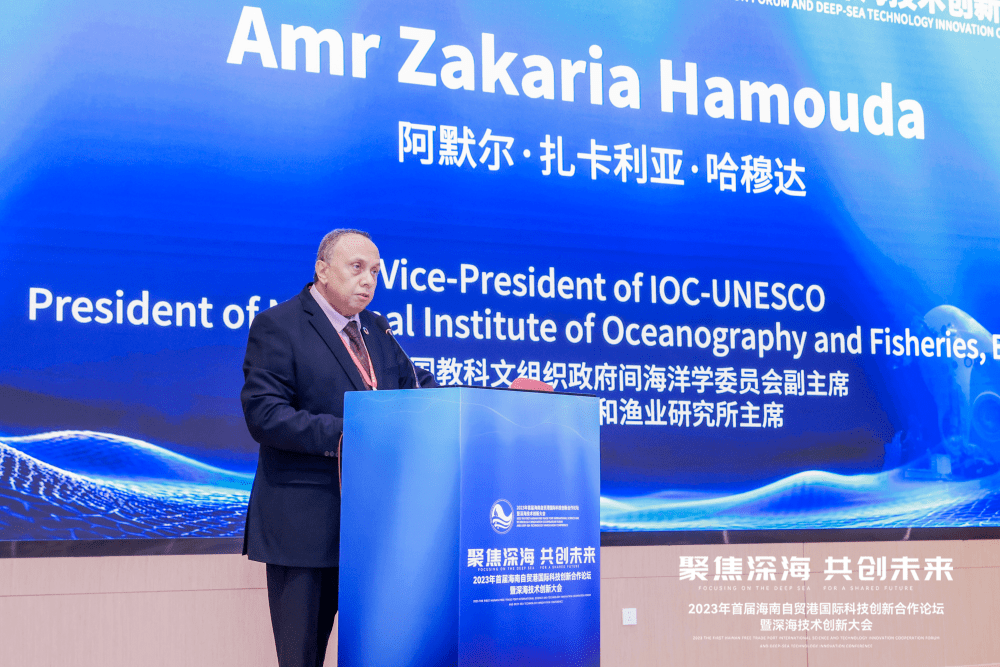
Forum on int’l deep-sea science, technology cooperation opens in China’s Hainan
The first edition of a new conference on international deep-sea science and technology cooperation opened on Tuesday in Sanya, south China’s Hainan Province.
The 2023 Hainan Free Trade Port International Science and Technology Innovation Cooperation Forum and Deep-Sea Technology Innovation Conference sees the participation of representatives from about 170 organizations and institutions worldwide.
https://en.people.cn/n3/2023/1025/c90000-20088783.html
https://3g.k.sohu.com/t/n735681330?serialId=9758093e0bab39de729ade336a94de28&showType=
Alexandria was submerged by a tsunami.. UNESCO’s Deputy Early Warning Committee Reveals the Truth
Dr. Amr Zakaria Hamouda, Vice-Chair of the UNESCO International Committee for Tsunami Early Warning
Professor Amr Hamouda Answers: Could Egypt Face a Tsunami After the Crete Earthquake?
Highlights a Plan to Evacuate Alexandria’s Shores Within 30 Minutes
Professor Amr Hamouda Explains the Causes of Tsunami Waves in an Interview with Al Arabiya
COP29 partners
COP29 partners in Azerbaijan
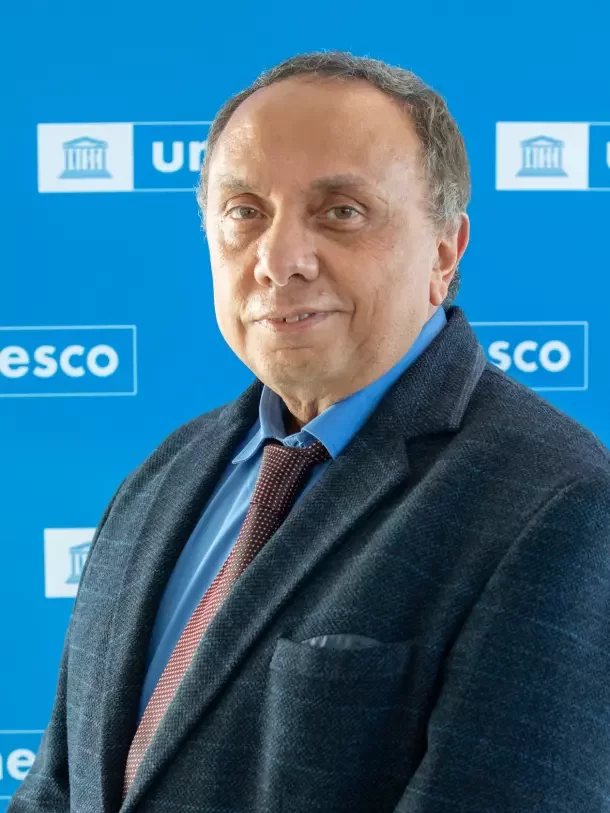
Amr Zakaria Hamouda (Egypt) – Electoral Group 5
Prof. Amr Zakaria Hamouda is the president of National Institute of Oceanography and Fisheries, Egypt. Prof. Hamouda is the focal point of IOC in Egypt; the focal point of the Decade Implementing partner of the UN Ocean Decade in Africa; The focal point of NEAMTWS Tsunami early warning system in Egypt; member of the Africa Ocean Decade Taskforce; member of Data Buoy Cooperation Panel (DBCP) and Expert on IOC Group of Capacity Development.
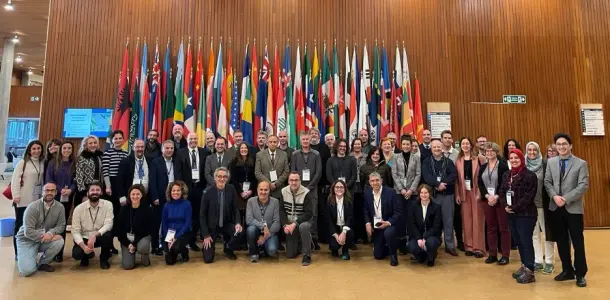
North-East Atlantic, the Mediterranean, and connected seas (NEAM) region is committed to achieving 25 Tsunami Ready Communities by 2026
The 19th session of the Intergovernmental Coordination Group for the Tsunami Early Warning and Mitigation System in the North-Eastern Atlantic, the Mediterranean and Connected Seas (ICG/NEAMTWS) was held in Paris from the 27th to the 29th of November 2024.
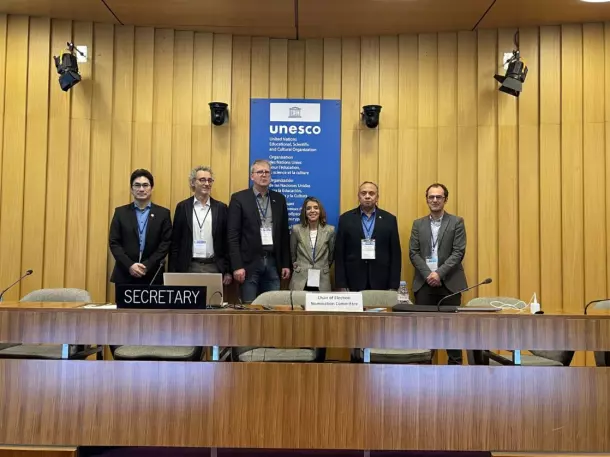
Eighteenth Session of the NEAMTWS Held in Paris, France Praise for NEAMTWS Advances Amidst Emerging Challenges
The Intergovernmental Coordination Group for the Tsunami Early Warning and Mitigation System in the North-Eastern Atlantic, the Mediterranean and Connected Seas (ICG/NEAMTWS) met in Paris, France for its 18th Session on 6–8 February 2024
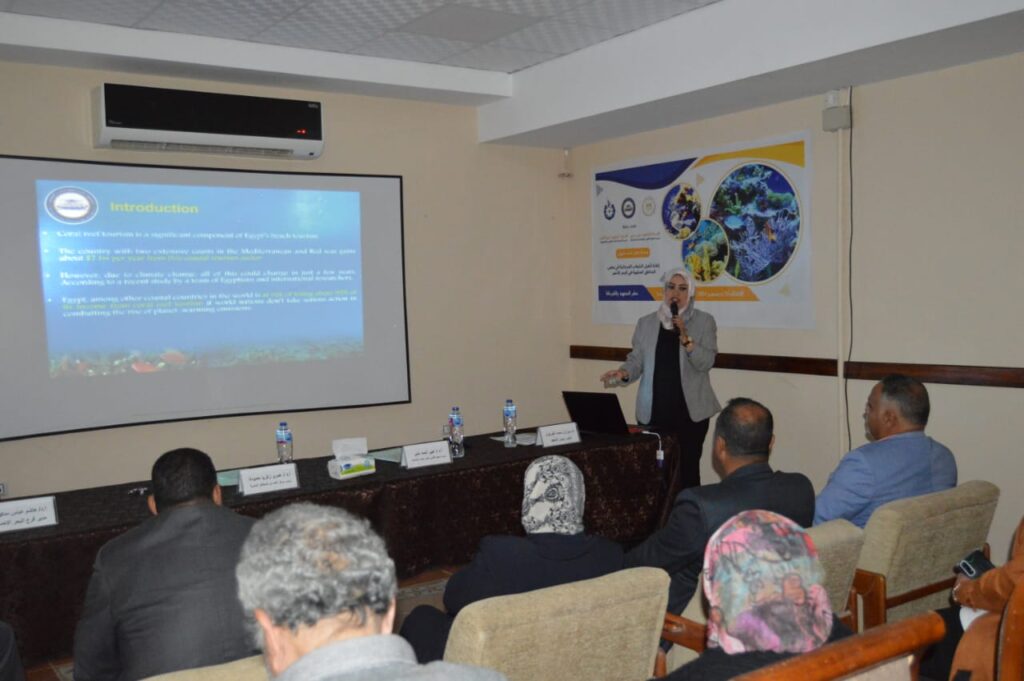
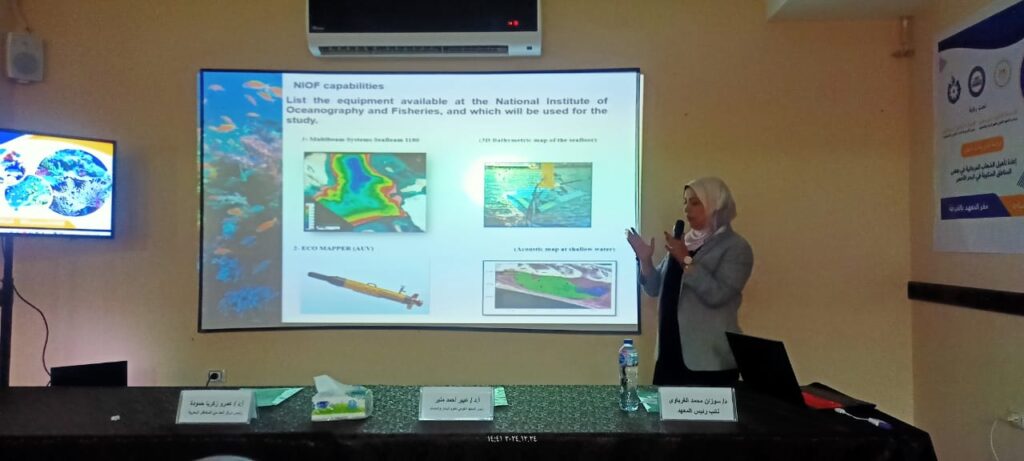
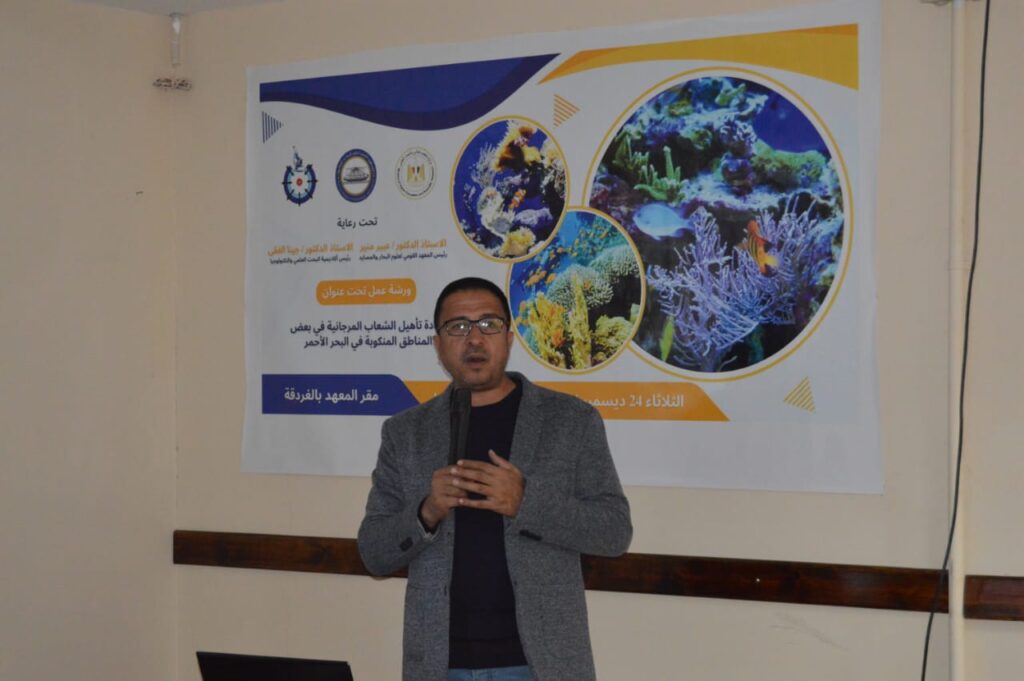
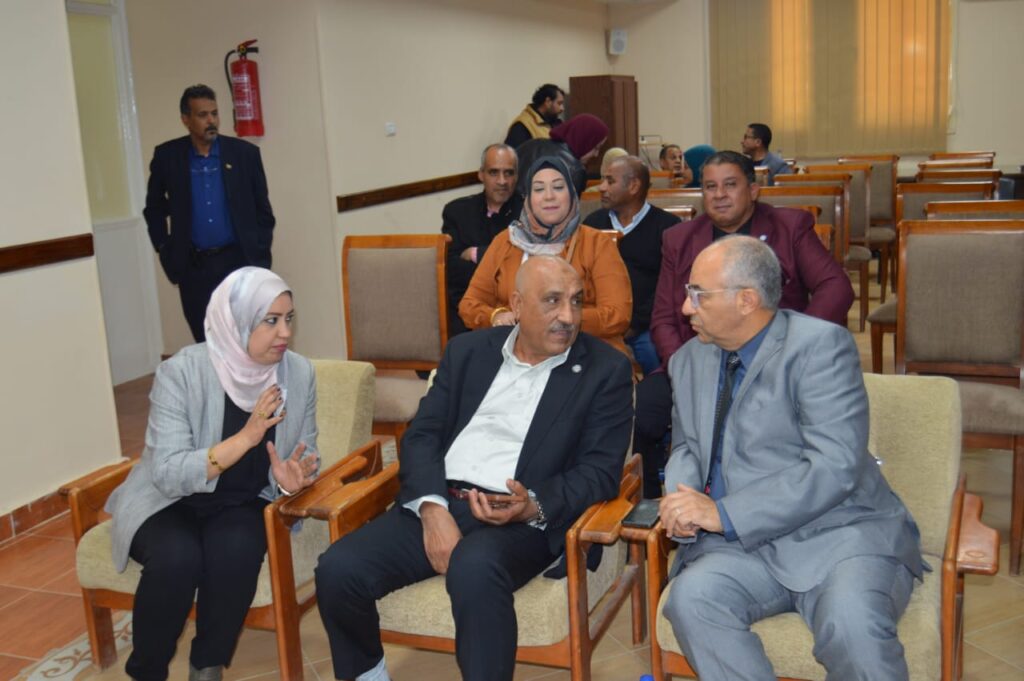

“Rehabilitation of Coral Reefs in Some Disaster Areas in the Red Sea”
Within the framework of the effective work for broad-based biodiversity, jointly conducted by the National Institute of Oceanography and Fisheries and the Academy of Scientific Research and Technology, the activities of a workshop were launched on December 24, 2024 to share the creative people of the project “Rehabilitation of Coral Reefs in Some Areas in the Red Sea”, funded by the Academy of Scientific Research and Technology,
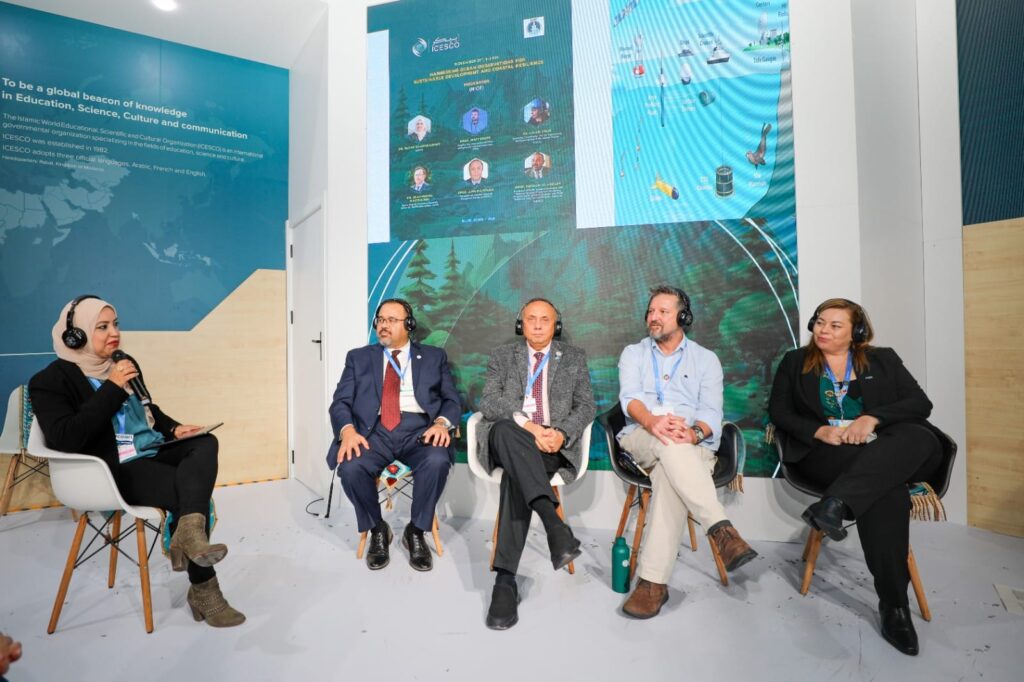
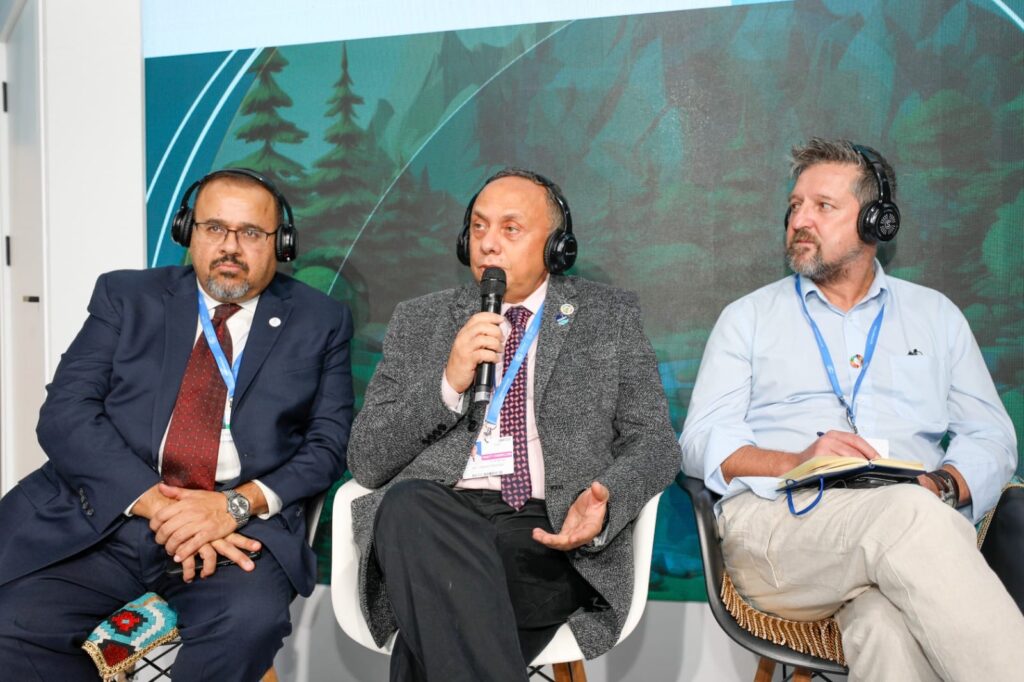
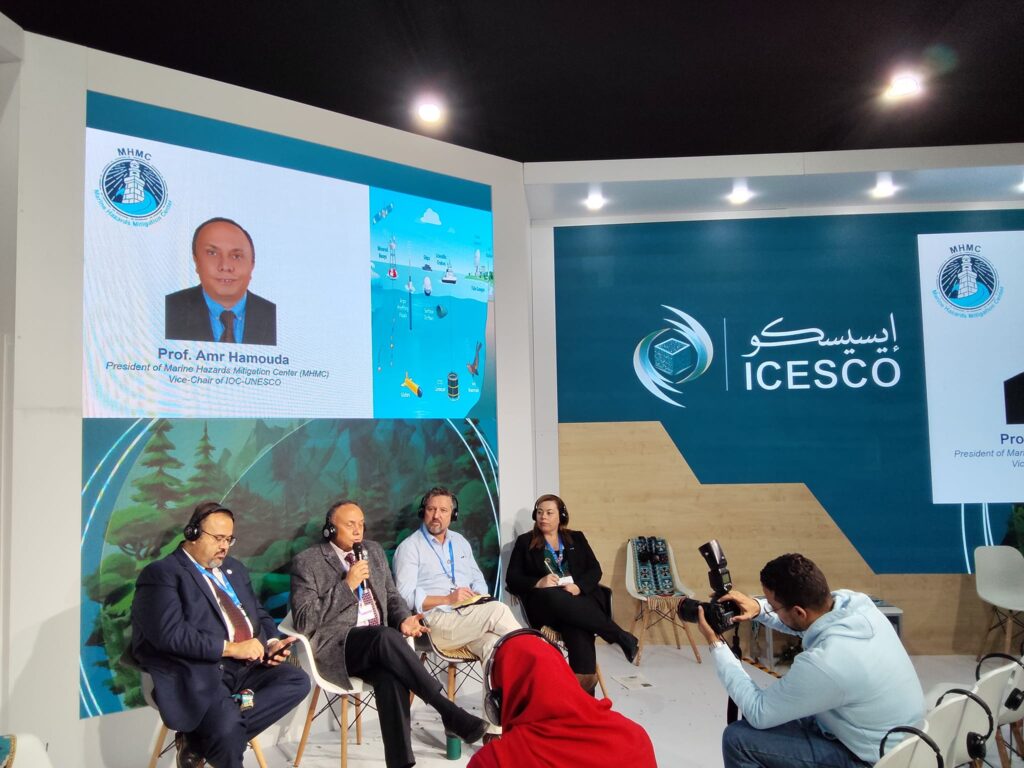
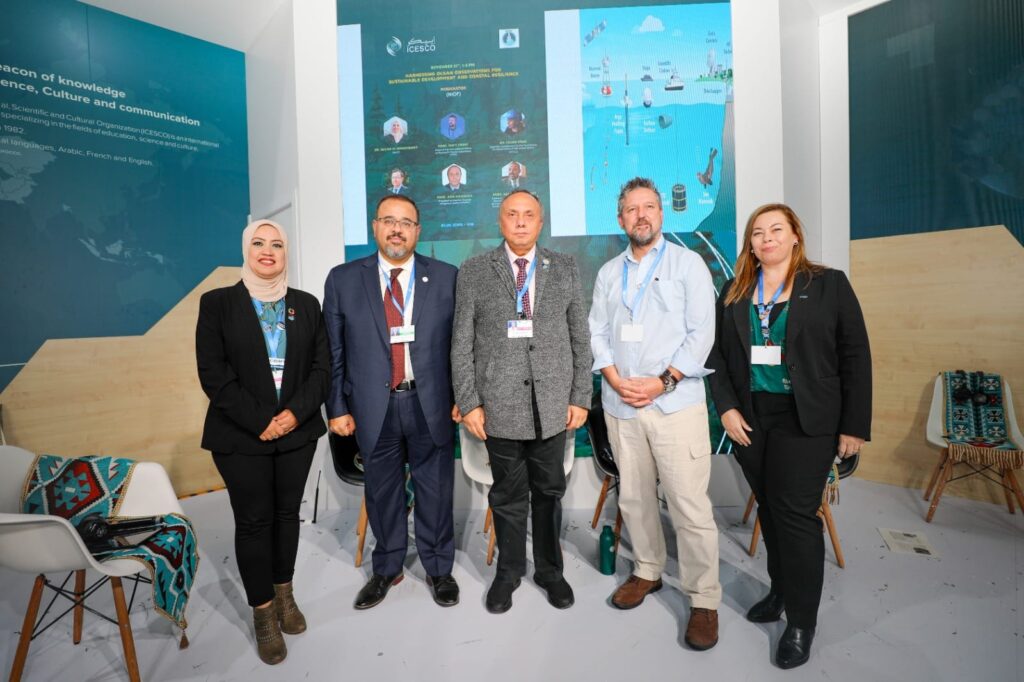
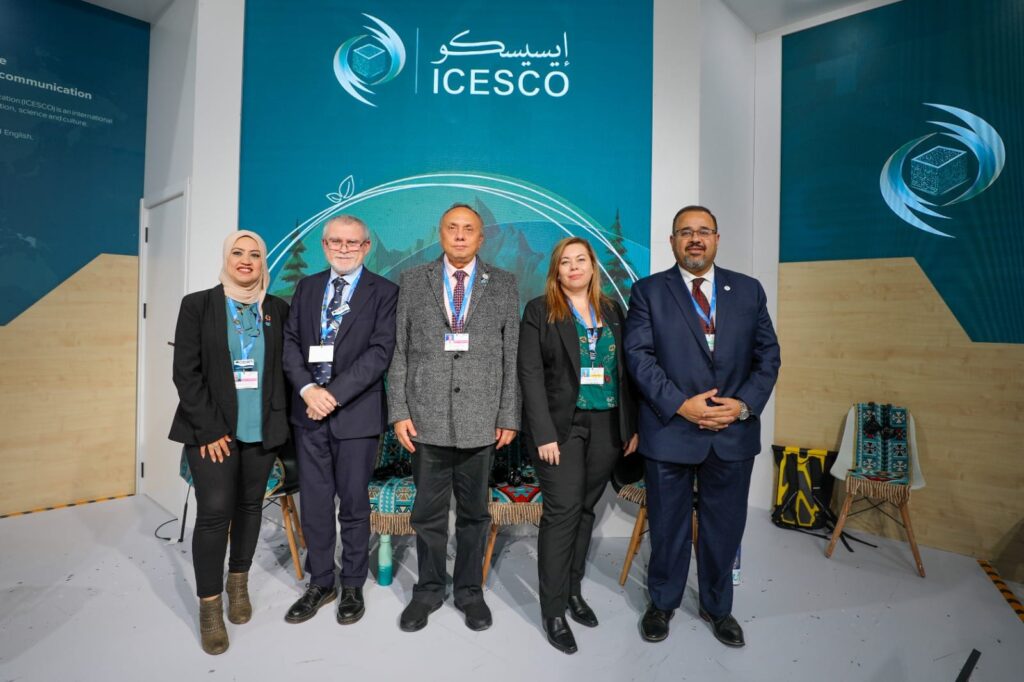
Harnessing Ocean Observations for Sustainable Development and Coastal Resilience.
As our planet faces the consequences of climate change, one of the most pressing challenges we confront is the rising sea levels, damaging floods from storm surges. The gradual encroachment of the seas upon our coastlines threatens coastal communities, ecosystems, and economies around the world. In the face of this imminent threat, innovative strategies and solutions are emerging to mitigate the impacts of rising seas.